What Is Email Security? How It Works, Threats and Best Practices
Email remains one of the most widely used communication tools for individuals and businesses, but it is also one of the primary targets for cybercriminals. Attackers use email to deliver phishing scams, malware, ransomware, and business email compromise (BEC) attacks that can lead to data breaches and financial losses. Email security combines technologies, policies, and user awareness to protect email accounts, messages, and attachments from unauthorized access and cyber threats.
What Is Email Security?

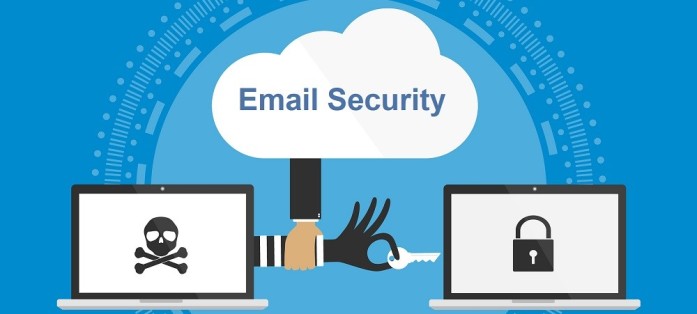
Email security is the practice of protecting email accounts, communications, and infrastructure from cyber threats such as phishing, spam, malware, unauthorized access, and data leakage.
How Email Security Works
Email security solutions examine incoming and outgoing emails for suspicious content, malicious links, dangerous attachments, spoofed sender addresses, and unusual behavior. They use spam filtering, malware scanning, authentication protocols, encryption, and threat intelligence to block harmful messages before they reach users.
Why Email Security Matters
Since email is a common entry point for cyberattacks, strong email security helps protect sensitive information, prevent financial fraud, and reduce the risk of data breaches and account compromise.
Common Email Security Threats
Cybercriminals use several attack techniques to target email users.
Phishing
Fraudulent emails attempt to trick recipients into revealing passwords, financial information, or other confidential data.
Business Email Compromise (BEC)
Attackers impersonate executives, vendors, or trusted partners to convince employees to transfer money or disclose sensitive information.
Malware Attachments
Malicious files attached to emails can install ransomware, spyware, trojans, or other harmful software when opened.
Malicious Links
Emails may contain links to fake websites designed to steal login credentials or distribute malware.
Spam
Unsolicited emails can overwhelm inboxes, waste productivity, and sometimes serve as a delivery method for phishing or malware.
Email Spoofing
Attackers forge sender addresses to make emails appear as though they came from legitimate individuals or organizations.
Key Components of Email Security
Modern email security uses multiple protective technologies.
Spam Filtering
Filters automatically identify and block unwanted or suspicious email messages.
Malware Protection
Attachments and links are scanned for malicious code before users interact with them.
Email Authentication
Protocols such as SPF (Sender Policy Framework), DKIM (DomainKeys Identified Mail), and DMARC (Domain-based Message Authentication, Reporting and Conformance) help verify that emails come from legitimate senders and reduce spoofing.
Email Encryption
Encryption protects email content during transmission, ensuring only authorized recipients can read sensitive information.
Multi-Factor Authentication (MFA)
MFA secures email accounts by requiring an additional verification step beyond the password.
Benefits of Email Security
Strong email security provides several important advantages.
Protection Against Cyberattacks
Security controls reduce the likelihood of phishing, malware infections, and business email compromise.
Better Data Protection
Sensitive business and personal information is protected from unauthorized access.
Improved Productivity
Spam filtering reduces inbox clutter, allowing users to focus on legitimate communications.
Regulatory Compliance
Email security helps organizations meet data protection and cybersecurity requirements in regulated industries.
Best Practices for Email Security
Organizations and individuals should follow these recommendations.
Enable Multi-Factor Authentication
Protect email accounts with MFA to reduce the risk of unauthorized access.
Verify Suspicious Emails
Always confirm unexpected requests for payments, passwords, or confidential information through a trusted communication channel.
Avoid Clicking Unknown Links
Inspect links before clicking and avoid opening unexpected attachments from unknown or unverified senders.
Keep Email Software Updated
Regularly install security updates for email clients, operating systems, and web browsers.
Provide Security Awareness Training
Educate employees about phishing, social engineering, and safe email practices to reduce human error.
Challenges of Email Security
Despite advanced protection, email security presents several challenges.
Sophisticated Phishing Attacks
Modern phishing campaigns use personalization and Artificial Intelligence to make fraudulent emails more convincing.
Human Error
Even strong technical controls can be bypassed if users unknowingly disclose sensitive information.
Evolving Threat Landscape
Cybercriminals continuously develop new malware, spoofing techniques, and social engineering methods.
Future of Email Security
Email security is evolving through Artificial Intelligence, machine learning, behavioral analytics, Zero Trust Security, and cloud-native email protection platforms. Future email security solutions will identify sophisticated phishing attacks, detect business email compromise more accurately, and automate incident response using advanced threat intelligence. As email continues to be a primary communication channel, intelligent email security will remain essential for protecting organizations and individuals.
Conclusion
Email security is a critical component of modern cybersecurity, protecting users from phishing, malware, spam, business email compromise, and unauthorized access. By combining email authentication, encryption, spam filtering, Multi-Factor Authentication, and employee awareness training, organizations can significantly reduce email-related cyber risks. As cyber threats continue to evolve, maintaining strong email security practices is essential for safeguarding sensitive information and ensuring secure digital communication.