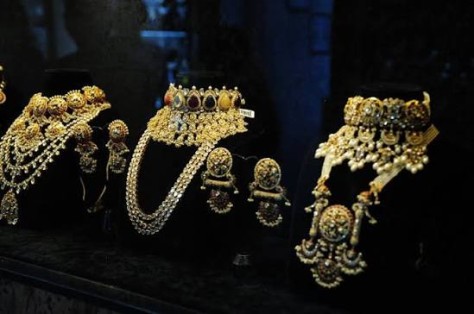
Luxury Jewellery Retailers Adjust Procurement Strategies Amid Gold Demand Weakness
Luxury jewellery retailers are reassessing their procurement strategies as softer gold demand and volatile bullion prices prompt a more cautious approach to inventory management. Companies across the organised jewellery sector are increasingly focusing on efficient sourcing, disciplined inventory planning and flexible purchasing models to manage costs while maintaining product availability.
The shift comes as changing consumer buying patterns, elevated gold prices and evolving market conditions influence purchasing decisions across India's jewellery industry. Retailers are balancing inventory requirements with demand forecasts to protect profitability and optimise working capital.
Retailers Shift Towards Disciplined Procurement

Jewellery companies are adopting more measured procurement strategies to respond to changing market conditions.
Key priorities include:
-
Inventory optimisation
-
Flexible purchasing schedules
-
Cost management
-
Working capital efficiency
-
Demand forecasting
-
Supplier diversification
-
Price risk management
-
Supply chain resilience
These measures are designed to improve operational efficiency while reducing exposure to price volatility.
High Gold Prices Influence Consumer Demand
Gold prices remain one of the most important factors affecting jewellery sales.
Retailers continue monitoring:
-
Domestic bullion prices
-
International gold prices
-
Exchange-rate movements
-
Consumer affordability
-
Investment demand
-
Seasonal buying
-
Wedding demand
-
Festival purchases
Higher prices often encourage consumers to postpone discretionary purchases or opt for lighter-weight jewellery.
Inventory Management Becomes More Strategic
Maintaining the right inventory mix has become increasingly important.
Retailers are focusing on:
-
Faster inventory turnover
-
Balanced stock levels
-
Product mix optimisation
-
Premium collections
-
Lightweight jewellery
-
Customised products
-
Demand-driven procurement
-
Regional demand patterns
Efficient inventory planning helps improve cash flow and profitability.
Organised Jewellery Retail Continues to Expand
Despite near-term demand fluctuations, organised jewellery retailers continue expanding their market presence.
Growth drivers include:
-
Brand trust
-
Hallmarked jewellery
-
Transparent pricing
-
Digital retail channels
-
Omnichannel sales
-
Premium customer experience
-
Store expansion
-
Product innovation
The organised segment continues to gain market share from unorganised players.
Procurement Strategies Focus on Cost Efficiency
Retailers are strengthening procurement practices to manage raw material costs.
Key initiatives include:
-
Long-term supplier relationships
-
Bulk purchasing optimisation
-
Hedging strategies
-
Vendor diversification
-
Inventory analytics
-
Demand-based replenishment
-
Digital procurement systems
-
Supply chain integration
Efficient procurement can help protect margins during periods of price volatility.
Consumer Preferences Continue to Evolve
Luxury jewellery buyers are increasingly seeking value alongside craftsmanship.
Emerging trends include:
-
Lightweight designs
-
Contemporary collections
-
Diamond-studded jewellery
-
Personalised products
-
Investment-grade jewellery
-
Sustainable sourcing
-
Branded collections
-
Premium gifting
Retailers continue adapting product portfolios to meet changing consumer preferences.
Digital Technology Supports Retail Operations
Technology is playing a larger role in procurement and inventory management.
Retailers are investing in:
-
AI-driven demand forecasting
-
Inventory management software
-
Data analytics
-
Digital supply chains
-
Customer relationship management
-
E-commerce platforms
-
Omnichannel integration
-
Business intelligence tools
Digital capabilities improve operational visibility and decision-making.
Industry Maintains Long-Term Growth Outlook
The luxury jewellery sector continues to benefit from structural growth drivers.
Supporting factors include:
-
Rising disposable incomes
-
Urbanisation
-
Premiumisation
-
Wedding-related demand
-
Expanding middle class
-
Wealth creation
-
Brand awareness
-
Organised retail growth
These long-term trends continue supporting the industry's expansion.
Risks to Monitor
Industry participants should monitor:
-
Gold price volatility
-
Consumer demand
-
Inflation
-
Import policies
-
Currency movements
-
Global bullion trends
-
Inventory costs
-
Competitive pricing
-
Retail expansion
-
Economic conditions
These factors will influence procurement decisions and overall industry performance.
What Investors Should Watch
Key indicators include:
-
Jewellery sales growth
-
Gold price trends
-
Inventory turnover
-
Gross margins
-
Store expansion
-
Consumer spending
-
Wedding and festive demand
-
Working capital efficiency
-
Procurement costs
-
Management commentary
These metrics will provide insight into the operational health of organised jewellery retailers.
Outlook
Luxury jewellery retailers are expected to continue adopting disciplined procurement and inventory strategies as they navigate softer demand and volatile bullion prices.
While short-term purchasing trends may remain cautious, long-term industry fundamentals—including rising incomes, premium consumer spending and the continued shift toward organised retail—are expected to support sustainable growth.
Retailers that successfully combine efficient procurement, technology adoption and strong brand positioning are likely to be better placed to manage market volatility.
Conclusion
Luxury jewellery retailers are adapting procurement strategies to address weaker gold demand and changing consumer behaviour while maintaining operational efficiency.
By strengthening inventory management, improving sourcing practices and leveraging digital technologies, organised retailers are positioning themselves to navigate short-term market challenges and capture long-term growth opportunities.
Investors will continue monitoring gold prices, consumer demand, inventory management and profitability as key indicators of the sector's performance.