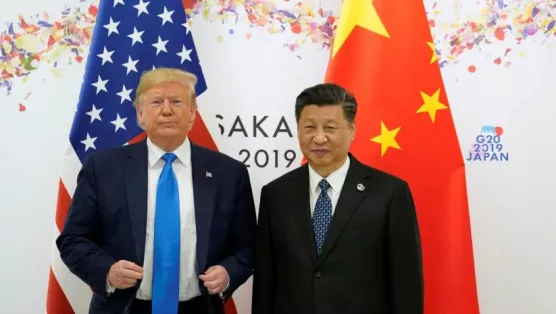
Heads of State Eye Asia-Pacific: US-China Summit in Focus
The Asia-Pacific region is bracing for a high-stakes diplomatic encounter as former U.S. President Donald Trump is scheduled to meet Chinese President Xi Jinping in South Korea next week. This meeting, taking place ahead of the Asia-Pacific Economic Cooperation (APEC) summit, is anticipated to address critical issues ranging from trade relations to rare earths supply, as well as broader geopolitical dynamics that are reshaping the region’s economic and strategic landscape.
The Trump-Xi summit comes at a time when U.S.-China relations are defined by cautious engagement amid heightened competition. Trade tensions, tariffs, and supply chain disruptions have been central concerns over the past decade, and rare earth minerals—a key component in technology, defense, and renewable energy sectors—have added a strategic dimension to bilateral negotiations. Both nations have increasingly recognized the global significance of these commodities, and securing stable supply chains has become a priority for policymakers in Washington and Beijing.
South Korea’s role as the host of this crucial meeting underscores the growing importance of middle powers in the Asia-Pacific’s geopolitical architecture. Seoul has consistently positioned itself as a neutral venue capable of facilitating dialogue between major powers. Its strategic location, economic prominence, and diplomatic credibility make it an ideal setting for discussions that have far-reaching implications not only for U.S.-China relations but also for regional stability.
Trade will inevitably dominate the agenda. The two leaders are expected to revisit unresolved issues from previous negotiations, including tariffs, intellectual property rights, and market access. Trump’s focus is likely to emphasize fair trade practices and economic leverage, while Xi Jinping may stress the importance of multilateral cooperation and the stability of existing trade agreements. Observers anticipate that even incremental progress could influence global markets, given the scale of bilateral trade between the United States and China.
Rare earth minerals, however, are set to be a strategic highlight. China controls a dominant share of the world’s rare earth supply, making it a critical player in technology production and defense manufacturing. The U.S. has been seeking to diversify its sources and reduce reliance on Chinese exports. Discussions during the summit may explore partnerships with allied nations, investment in domestic mining and processing, and potential trade arrangements that balance economic benefits with national security concerns. Analysts argue that these talks could set the precedent for future resource diplomacy in the Asia-Pacific region.
The broader geopolitical context will also shape the summit’s outcomes. North Korea’s missile tests, tensions in the South China Sea, and the ongoing competition for influence in Southeast Asia present complex challenges. Both Washington and Beijing are aware that the summit is not merely about economic issues but also about demonstrating leadership and strategic positioning in the region. The optics of cooperation—or discord—between the two powers will resonate with regional allies, influencing defense postures and multilateral engagements.
Economic implications extend beyond bilateral trade. Investors, multinational corporations, and regional governments are closely monitoring the summit for signals on policy stability, supply chain security, and investment opportunities. Positive outcomes could ease market volatility and strengthen confidence in regional trade networks. Conversely, disagreements or perceived strategic posturing could amplify uncertainty, affecting currency markets, commodity prices, and cross-border investments throughout Asia and beyond.
South Korea, as host, faces its own diplomatic balancing act. Seoul has consistently sought to maintain strong relations with both Washington and Beijing, navigating historical sensitivities and security obligations. Hosting the summit provides an opportunity to reinforce its role as a diplomatic mediator and highlight its influence in regional security dialogues. For South Korea, ensuring that discussions remain constructive and transparent is as important as the substantive outcomes themselves.
Experts also note that the summit could influence future APEC negotiations. Economic policies, trade agreements, and collaborative frameworks discussed bilaterally may ripple into multilateral forums. The outcomes could shape not only the agenda of the APEC summit but also broader regional economic integration, investment flows, and joint initiatives on technology, infrastructure, and sustainable development. A successful dialogue may pave the way for more coordinated approaches to global economic challenges, while stalled talks could slow progress in multilateral cooperation.
Media coverage leading up to the summit has highlighted both optimism and skepticism. International outlets emphasize the potential for breakthroughs on trade and strategic resources, while some analysts caution that fundamental differences in governance models, national interests, and geopolitical priorities may limit the scope of agreements. Both leaders will need to balance domestic expectations with the complex realities of international diplomacy, navigating public opinion, economic pressures, and strategic imperatives simultaneously.
In conclusion, the upcoming Trump-Xi summit in South Korea represents more than a bilateral meeting; it is a focal point in the evolving landscape of Asia-Pacific geopolitics. Trade negotiations, rare earth supply, and broader strategic considerations converge to make this encounter one of the most closely watched diplomatic events of the year. As leaders and analysts prepare for the discussions, the region—and the world—awaits signals that could influence economic policies, resource security, and the delicate balance of power in the Asia-Pacific for years to come.