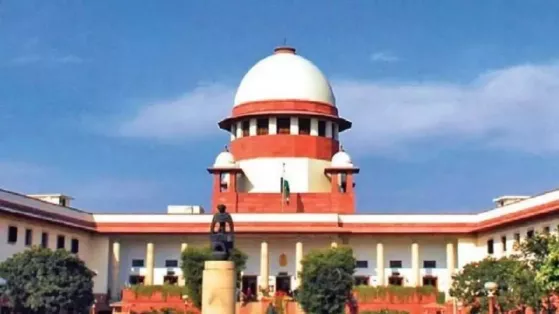
The Supreme Court of India has issued a significant directive to the Election Commission (EC), instructing it to consider Aadhaar as a valid identification document for voter registration in Bihar. This move comes amid ongoing efforts to streamline voter rolls and ensure that electoral processes are more efficient and secure.
The directive emphasizes that while Aadhaar can be used for voter registration, the Election Commission must take adequate steps to verify the authenticity of the details provided by citizens. This ensures that the integrity of voter rolls is maintained and prevents fraudulent entries.
Bihar, one of India’s most populous states, faces the challenge of managing millions of voter records. The integration of Aadhaar could simplify the registration process, reduce duplication, and enhance the accuracy of voter lists. By linking Aadhaar with voter IDs, the EC aims to eliminate errors that may arise from outdated or incomplete information.
The Supreme Court’s ruling reflects the broader national conversation around the role of Aadhaar in governance and public services. While Aadhaar has been widely adopted for various purposes such as banking, subsidies, and taxation, its use in electoral processes has been debated due to privacy concerns and data security considerations.
Legal experts note that the Court’s direction carefully balances the efficiency gains from using Aadhaar with the need to safeguard personal data. By mandating verification procedures, the EC is required to ensure that voter registration remains fair, transparent, and secure.
Election authorities in Bihar have welcomed the guidance, noting that integrating Aadhaar could significantly reduce administrative burdens and improve access to voter registration, especially for residents in rural and remote areas. This could help boost voter participation and ensure that every eligible citizen has the opportunity to exercise their democratic rights.
The Supreme Court’s intervention comes at a critical time, as Bihar prepares for upcoming state and national elections. The directive signals the judiciary’s active role in promoting electoral reforms that enhance both transparency and accessibility.
In conclusion, the Supreme Court’s instruction to the Election Commission to consider Aadhaar as a valid ID for Bihar voter rolls marks a notable step toward modernizing the voter registration process. By ensuring robust verification, the initiative seeks to strengthen the integrity of the electoral system while making registration more efficient and accessible for millions of citizens.