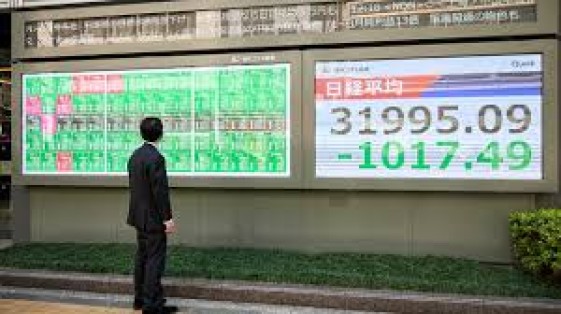
Asia Markets Rally Amid Trade Optimism, Inflation Watch
Asian stock markets experienced a broad rally as investor sentiment improved amid easing trade tensions and anticipation surrounding upcoming U.S. inflation data. The gains reflect optimism that international trade disputes may be stabilizing and that global economic growth could remain resilient despite persistent uncertainties. Investors across Asia closely monitored developments in the United States, aware that the latest inflation figures could influence central bank decisions worldwide.
Tokyo’s Nikkei 225 led the gains in the region, buoyed by strong performances in technology and industrial sectors. Analysts suggest that optimism over renewed trade dialogue between major economies contributed to the uptick. Companies engaged in export-driven businesses reacted positively to signals that tariffs and trade barriers could be reduced, potentially improving profit margins and facilitating smoother supply chains.
Hong Kong’s Hang Seng and Shanghai Composite indices also saw notable gains, reflecting a mix of local economic optimism and global investor sentiment. China’s manufacturing output data, released earlier in the week, indicated moderate expansion, reinforcing confidence that economic activity in the region is stabilizing. Investors appear increasingly willing to absorb risks associated with geopolitical concerns, focusing instead on potential growth opportunities arising from trade normalization.
Markets across Southeast Asia mirrored the regional sentiment. Singapore’s Straits Times Index and Malaysia’s KLCI rose steadily as trade-related stocks gained momentum. Analysts noted that investors are positioning portfolios ahead of the upcoming U.S. inflation report, which is expected to influence the trajectory of monetary policy in major economies. Lower-than-expected inflation could prompt a pause or adjustment in interest rate hikes, benefiting emerging markets by reducing borrowing costs and supporting capital inflows.
The rally is also linked to expectations regarding central bank actions. Investors are closely watching the Federal Reserve, Bank of Japan, and other key monetary authorities for potential policy shifts. The anticipation of a coordinated approach to maintaining growth and controlling inflation has contributed to improved market confidence. Bond yields in the region remained relatively stable, indicating that traders are balancing optimism with caution, prepared for any surprises in monetary policy announcements.
Trade optimism has been a driving factor behind the market resurgence. Recent negotiations between the United States and key trading partners have suggested a willingness to ease restrictions on certain goods and commodities. These developments are viewed favorably by export-heavy economies in Asia, which rely on stable international trade conditions to sustain growth. Investors are interpreting such signals as evidence that global supply chains may face fewer disruptions in the near term.
Technology stocks emerged as major contributors to the rally. Companies involved in semiconductors, electronics, and renewable energy solutions witnessed significant gains as global demand prospects improved. Analysts point out that the technology sector often reacts strongly to trade developments, given its reliance on cross-border supply chains and export markets. Investor confidence in sustained growth in this sector has therefore provided a substantial boost to broader indices.
Financial markets are also keeping a close eye on inflationary trends. The upcoming U.S. inflation data is expected to set the tone for future global monetary policy. Higher-than-expected inflation could prompt further rate hikes by the Federal Reserve, impacting borrowing costs and investor behavior worldwide. Conversely, softer inflation figures may encourage a more accommodative stance, supporting asset prices and regional market rallies. Asian investors are positioning themselves strategically to capitalize on either scenario, focusing on sectors that are sensitive to interest rate movements.
Investor sentiment has been further supported by stabilizing commodity prices. Oil and industrial metals have seen moderated volatility after recent fluctuations, which has contributed to reduced market anxiety. Stable commodity prices provide relief for emerging market economies dependent on imports and exports, while supporting corporate earnings across the manufacturing and energy sectors. The combination of trade optimism, controlled inflation expectations, and moderated commodity prices has created favorable conditions for equity market growth.
Market analysts, however, caution against overconfidence. While the current rally indicates positive sentiment, underlying risks remain. Geopolitical tensions, potential supply chain disruptions, and policy uncertainties could quickly reverse market gains. Investors are advised to maintain a balanced approach, considering both short-term opportunities and long-term risks in their portfolio strategies. Diversification, risk management, and close monitoring of central bank announcements remain essential strategies in this dynamic environment.
In conclusion, Asian markets are currently experiencing a rally fueled by trade optimism and anticipation of U.S. inflation data. Gains across Tokyo, Hong Kong, Shanghai, and Southeast Asia reflect investor confidence in economic recovery, stability in trade, and potential central bank support. While optimism is high, market participants remain cautious, recognizing that global financial conditions can shift rapidly in response to policy changes, geopolitical developments, and macroeconomic indicators. The coming weeks will be critical in determining whether this rally represents a sustained trend or a temporary reprieve amid a complex and evolving global economic landscape.