Tata Power Expands Renewable Energy Portfolio Following Strong Project Pipeline
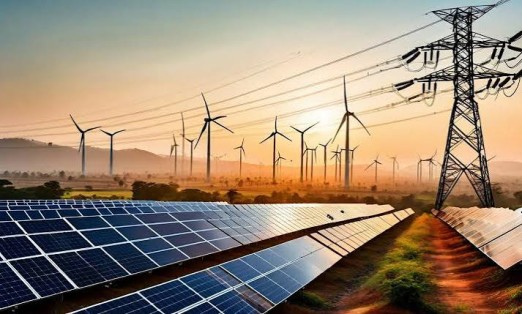
Tata Power is accelerating the expansion of its renewable energy business as a strong pipeline of solar, wind and hybrid projects supports the company's long-term clean energy strategy. The company continues to invest in utility-scale renewable generation, rooftop solar, transmission infrastructure and energy storage while strengthening its position as one of India's leading integrated power companies.
The expansion reflects growing demand for clean electricity from industrial, commercial and residential consumers, alongside India's ambitious renewable energy targets and increasing investment in sustainable infrastructure.
Strong Renewable Project Pipeline Supports Growth

Tata Power continues to build one of the country's largest renewable energy development pipelines.
Its ongoing portfolio includes:
-
Utility-scale solar projects
-
Wind power installations
-
Hybrid renewable projects
-
Rooftop solar systems
-
Energy storage projects
-
Transmission infrastructure
-
Distributed energy solutions
-
Green power initiatives
A diversified pipeline provides greater visibility for future capacity additions and revenue growth.
Solar Energy Remains a Key Growth Driver
Solar power continues to account for a significant share of Tata Power's renewable expansion strategy.
Key focus areas include:
-
Large solar parks
-
Rooftop installations
-
Commercial solar solutions
-
Industrial power systems
-
Residential solar adoption
-
Floating solar projects
-
Solar engineering services
-
Asset optimisation
Falling technology costs and supportive government policies continue to drive solar capacity additions across India.
Wind and Hybrid Projects Gain Momentum
The company is also expanding investments in wind energy and hybrid renewable projects.
Hybrid systems offer several advantages:
-
Better power availability
-
Improved grid stability
-
Higher utilisation
-
Efficient land use
-
Balanced generation profile
-
Reduced intermittency
-
Greater operational flexibility
-
Enhanced project economics
Combining solar and wind generation can improve overall renewable energy performance.
Energy Storage Becomes Increasingly Important
Battery energy storage is emerging as a critical component of India's renewable energy ecosystem.
Storage solutions help:
-
Balance electricity supply
-
Improve grid reliability
-
Store surplus renewable power
-
Manage peak demand
-
Support frequency regulation
-
Enhance renewable integration
-
Improve energy efficiency
-
Strengthen power system resilience
As renewable penetration increases, storage investments are expected to become more significant.
Clean Energy Demand Continues to Rise
Demand for renewable electricity is increasing across multiple customer segments.
Growth is being driven by:
-
Industrial decarbonisation
-
Commercial sustainability targets
-
Corporate renewable procurement
-
Residential adoption
-
Data centres
-
Manufacturing
-
Electric vehicle charging
-
ESG commitments
Businesses increasingly seek long-term renewable power contracts to meet environmental objectives.
India's Energy Transition Accelerates
India continues expanding renewable energy capacity as part of its long-term energy transition strategy.
Key policy priorities include:
-
Renewable capacity additions
-
Grid modernisation
-
Green hydrogen
-
Battery storage
-
Transmission expansion
-
Domestic manufacturing
-
Energy security
-
Carbon reduction
The transition is expected to generate substantial investment opportunities across the power sector.
Transmission Infrastructure Supports Expansion
Expanding renewable generation requires corresponding investment in transmission and distribution networks.
Infrastructure priorities include:
-
High-voltage transmission lines
-
Grid connectivity
-
Smart grid technology
-
Distribution upgrades
-
Digital monitoring
-
Load management
-
Grid automation
-
Renewable integration
Efficient transmission systems are essential for delivering renewable electricity to consumers.
Technology Improves Renewable Efficiency
Digital technologies continue improving renewable energy operations.
Companies are investing in:
-
Artificial intelligence
-
Predictive maintenance
-
Remote monitoring
-
Data analytics
-
Smart inverters
-
Weather forecasting
-
Asset optimisation
-
Operational automation
Technology helps improve plant performance while reducing operating costs.
Sustainability Drives Corporate Strategy
Environmental sustainability remains central to Tata Power's long-term business strategy.
The company continues focusing on:
-
Lower carbon emissions
-
Clean power generation
-
Renewable investments
-
Energy efficiency
-
Resource optimisation
-
Green infrastructure
-
Climate resilience
-
Sustainable growth
These initiatives align with broader global efforts to accelerate the transition toward low-carbon energy systems.
Renewable Investments Continue Across the Sector
India's renewable energy industry continues attracting significant investment from both public and private sectors.
Growth opportunities include:
-
Solar manufacturing
-
Wind equipment
-
Battery technology
-
Grid infrastructure
-
Green hydrogen
-
Electric mobility
-
Clean technology
-
Power distribution
Long-term policy support continues encouraging investment throughout the renewable value chain.
Competition Remains Strong
The renewable energy sector remains highly competitive.
Companies compete through:
-
Project execution
-
Technology innovation
-
Cost efficiency
-
Financing capability
-
Operational excellence
-
Customer relationships
-
Land acquisition
-
Engineering expertise
Efficient project execution remains a key differentiator in the industry.
Risks to Monitor
Several factors could influence future growth.
These include:
-
Project execution delays
-
Weather variability
-
Supply chain constraints
-
Equipment costs
-
Financing conditions
-
Regulatory changes
-
Land acquisition
-
Grid connectivity
-
Interest rates
-
Power demand trends
Managing these challenges will be important for sustaining long-term expansion.
What Investors Should Watch
Investors should monitor:
-
Renewable capacity additions
-
Project commissioning
-
Order pipeline
-
Capital expenditure
-
Revenue growth
-
Renewable power generation
-
Energy storage investments
-
Grid infrastructure
-
Regulatory developments
-
Management guidance
These indicators will provide insight into Tata Power's long-term renewable growth trajectory.
Outlook
Tata Power's expanding renewable energy portfolio reflects the growing importance of clean energy within India's evolving power sector.
Continued investment in solar, wind, hybrid projects and energy storage is expected to strengthen the company's competitive position while supporting India's broader energy transition goals.
Future growth will depend on disciplined project execution, technology adoption and sustained demand for renewable electricity.
Conclusion
Tata Power's strong renewable project pipeline underscores its commitment to becoming a leading player in India's clean energy transition.
By expanding investments across solar, wind, hybrid generation, energy storage and supporting infrastructure, the company is positioning itself to benefit from rising demand for sustainable electricity.
As India's renewable energy sector continues to grow, investors will closely monitor project execution, capacity expansion and the company's ability to convert its development pipeline into long-term earnings growth.