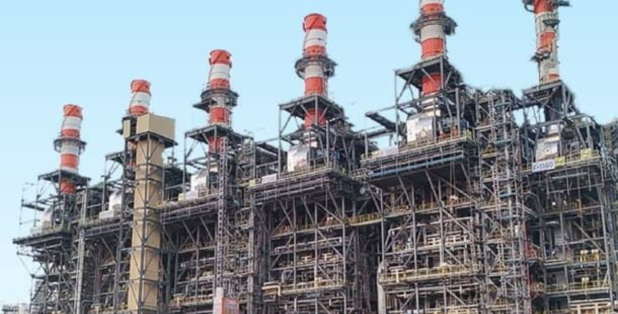
India's Petrochemical Industry Gets a Major Boost with Pachpadra Refinery Launch
The newly launched Pachpadra complex adds 2.4 million tonnes of annual petrochemical capacity — a shot in the arm for a sector where India still imports nearly half its intermediates, and an anchor for a new manufacturing ecosystem.
By Naina, 4th July 2026
India's petrochemical industry has received a major boost with the launch of the Pachpadra refinery-cum-petrochemical complex in Rajasthan, which adds significant domestic capacity for producing chemicals critical to manufacturing. The newly inaugurated complex, built as a joint venture between a state-run oil company and the state government at an investment of over ₹79,450 crore, integrates refining with a petrochemical capacity of 2.4 million tonnes per annum. With petrochemical yields exceeding 26 percent, the facility is designed to convert a substantial share of crude oil into high-value chemicals rather than only fuels. For a country that remains a net importer of petrochemicals, the addition of large-scale domestic capacity marks an important step toward self-sufficiency and a stronger industrial base.
The launch is significant because petrochemicals underpin vast swathes of the economy, serving as the raw materials for plastics, packaging, textiles, pharmaceuticals, automotive components, and agrochemicals. India's petrochemical demand has been rising faster than its capacity, leaving a widening gap filled by imports. By boosting domestic production, the Pachpadra complex helps address this shortfall while anchoring a broader manufacturing ecosystem in the region. The project reflects a national push to strengthen the petrochemical sector as part of India's industrial and self-reliance ambitions. Here is how the launch boosts India's petrochemical industry, its role in import substitution, and what it means for downstream manufacturing.
The Capacity Addition
The complex brings substantial new capacity online. With a petrochemical capacity of 2.4 million tonnes per annum, the Pachpadra facility significantly expands India's ability to produce chemical building blocks domestically. Its design, featuring petrochemical yields exceeding 26 percent and a high complexity index, reflects a deliberate focus on chemicals alongside fuels, in line with global trends toward integrated production. This capacity addition strengthens India's overall petrochemical output at a time when demand is growing rapidly. As one of the country's newest and largest integrated complexes, the facility represents a meaningful boost to national petrochemical manufacturing, adding scale that will help the industry keep pace with the economy's expanding needs.
The Import Substitution
The launch advances self-sufficiency in chemicals. India is currently a net importer of chemicals and petrochemicals, with a large share of its petrochemical intermediates sourced from abroad, creating a significant import bill and exposure to global supply disruptions. By producing these chemicals domestically, the Pachpadra complex directly substitutes imports, reducing reliance on foreign suppliers and conserving foreign exchange. This import substitution aligns with the government's self-reliance agenda and strengthens the resilience of downstream industries that depend on a steady chemical supply. Building domestic capacity also insulates Indian manufacturers from the price volatility and shortages that can accompany dependence on imports, a vulnerability exposed during recent global disruptions.
The Demand Opportunity
India's petrochemical demand offers vast headroom. The country's per-capita consumption of petrochemicals remains well below the global average, and overall demand is growing considerably faster than that for conventional fuels, pointing to years of strong expansion ahead. Yet domestic capacity has struggled to keep pace, resulting in a widening shortfall between demand and supply that has been met through imports. The Pachpadra complex is designed to help capture this growing demand, expanding output to serve rising needs across packaging, construction, automobiles, and consumer goods. By adding capacity aligned with this trajectory, the facility positions India's petrochemical industry to convert a persistent demand gap into a domestic manufacturing opportunity.
The Plastic Park Anchor
The complex will anchor a wider manufacturing ecosystem. Officials have identified the refinery as the foundation for a dedicated petrochemical and plastics manufacturing park in the region, intended to attract downstream and ancillary industries that use the chemicals it produces. Such an anchor facility can catalyse the growth of clusters of smaller manufacturers, logistics providers, and processing units, creating an integrated industrial base. This ecosystem approach amplifies the impact of the petrochemical capacity, turning a single large project into a catalyst for broad-based industrial development. By drawing downstream investment and building a supply chain around the complex, the project aims to establish western Rajasthan as an emerging hub for chemicals and plastics manufacturing.
The Downstream Impact
Downstream industries stand to benefit significantly. The chemicals produced at the complex, including polymers and other petrochemical products, are essential inputs for a wide range of manufacturing sectors, from flexible packaging and textiles to automotive parts, pharmaceuticals, and agrochemicals. A reliable, domestic supply of these materials supports the growth and competitiveness of these industries, many of which involve large numbers of small and medium enterprises and generate substantial employment. By strengthening the availability of locally produced petrochemicals, the Pachpadra launch bolsters the foundations of Indian manufacturing, reducing input costs and supply risks for downstream producers and reinforcing the broader industrial economy that depends on these versatile chemical building blocks.
The Employment Effect
The project is a significant source of jobs. The construction phase engaged thousands of workers, and the operational phase is expected to generate substantial direct and indirect employment across the complex and its associated industries. Beyond the facility itself, the anticipated growth of downstream manufacturing, logistics, and ancillary sectors around the petrochemical and plastics park is expected to create further opportunities in the region. This employment effect is central to the project's socio-economic significance, particularly for the Balotra and Barmer areas of western Rajasthan, where the complex is expected to catalyse economic development. The jobs created span skilled and unskilled roles, contributing to livelihoods and regional prosperity over the long term.
The Strategic Context
The launch fits a broader national strategy. India has been encouraging its refiners to configure facilities toward higher petrochemical production, recognising that as electric vehicles and renewables eventually curb fuel demand, chemicals represent the growth frontier for the sector. Integrated complexes that produce both fuels and petrochemicals maximise value from each barrel of crude and future-proof refining investments. The Pachpadra project embodies this strategy, joining a wave of investment across the industry aimed at raising petrochemical capacity and reducing import dependence. Its launch reinforces a national consensus that the future of Indian refining and industrial growth lies increasingly in the production of high-value chemicals alongside traditional fuels.
The Challenges
Significant challenges accompany the boost. The global petrochemical industry has been grappling with overcapacity, particularly from China, which has pressured margins and left some producers reporting losses even as refining margins recover; analysts expect this glut to ease only gradually. Ramping up a new complex to full, efficient operation takes time, and the facility still depends on imported crude as feedstock. Environmental considerations, including water usage in a water-scarce region, will require careful management. Global competition from established petrochemical hubs adds further pressure. Navigating these headwinds, especially the current weakness in chemical margins, will be important to ensuring the new capacity delivers its intended benefits for India's petrochemical industry.
The Road Ahead
The launch of the Pachpadra complex is a meaningful boost for India's petrochemical industry, adding significant domestic capacity, advancing import substitution, and anchoring a new manufacturing ecosystem. As the facility ramps up and the surrounding petrochemical and plastics park develops, its contribution to reducing India's chemical imports and strengthening downstream manufacturing is expected to grow. The project aligns with a national strategy to build petrochemical self-sufficiency and future-proof the refining sector. While challenges around global overcapacity, margins, and sustainability remain, the addition of large-scale domestic capacity marks a step forward for an industry central to India's manufacturing ambitions. The Pachpadra launch strengthens the foundations of India's petrochemical future. This is analysis, not investment advice.
Frequently Asked Questions
How does the Pachpadra refinery boost India's petrochemical industry?
It adds 2.4 million tonnes of annual petrochemical capacity, significantly expanding India's ability to produce chemicals domestically. With petrochemical yields exceeding 26 percent, it converts a substantial share of crude into high-value chemicals rather than only fuels.
Why does India need more petrochemical capacity?
India is a net importer of petrochemicals, with a large share of intermediates imported, while demand grows faster than fuels and outpaces domestic capacity. Adding capacity substitutes imports, conserves foreign exchange, and supports downstream manufacturing.
What is the petrochemical and plastics park?
The refinery is intended to anchor a dedicated manufacturing park that attracts downstream and ancillary industries using its chemicals, catalysing a cluster of manufacturers and building an integrated industrial ecosystem in western Rajasthan.
Which industries benefit from the complex?
Petrochemicals are essential inputs for plastics, packaging, textiles, pharmaceuticals, automotive components, and agrochemicals. A reliable domestic supply supports the growth and competitiveness of these downstream sectors and the many enterprises within them.
What are the main challenges?
Global petrochemical overcapacity, especially from China, has pressured margins; ramping up a new complex takes time; the facility still relies on imported crude; and environmental factors like water use in a water-scarce region require careful management.