Maharashtra FDA Cancels Cipla’s Pune C&F Licences Over Packaging, Inventory and Storage Violations
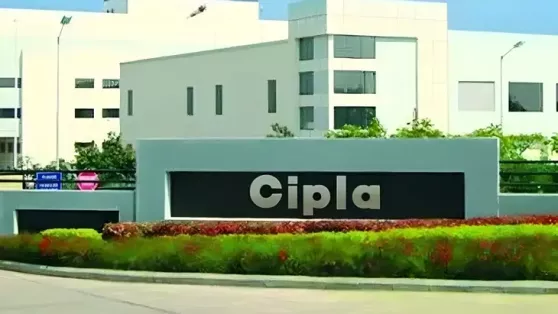
The Maharashtra Food and Drug Administration has cancelled the drug sale licences of a Cipla Pharma & Life Sciences Ltd carrying-and-forwarding facility at Wadki in Pune, citing alleged regulatory violations involving prescription-drug packaging, recall compliance, inventory records and storage practices.
The cancellation took effect from August 27, 2026, following inspections of the C&F warehouse and subsequent regulatory proceedings.
The case initially centred on Reactin Plus Tablets, a Schedule H prescription medicine whose packaging, according to the FDA, carried the words “Analgesic and Antipyretic.”
The regulator alleged that the wording amounted to an unauthorised promotional claim inconsistent with applicable provisions of the Drugs and Cosmetics Act, 1940 and Drugs Rules, 1945.
The FDA subsequently seized Reactin Plus stock valued at approximately ₹11.19 lakh and directed the affected product to be recalled from the market.
According to the regulator, subsequent inspections identified additional deficiencies involving physical and computerised inventory records, purchase and sale documentation, storage arrangements, pallets and racks, expired-medicine procedures and compliance with the recall directions.
Cipla has contested the Pune FDA's order, saying the matter is currently sub judice.
Crucially, the company has also clarified that the regulatory order does not allege concerns relating to the safety, quality or efficacy of its medicines and does not indicate a patient-safety issue.
Maharashtra FDA Cancels Licences of Cipla Pune C&F Facility

The regulatory action applies to the carrying-and-forwarding warehouse operated on behalf of Cipla Pharma & Life Sciences at:
Wadki, Pune district, Maharashtra.
The FDA said the drug sale licences were cancelled with effect from:
August 27, 2026.
The decision followed an inspection process that began around June and later expanded into a broader examination of the facility's drug distribution and storage systems.
The regulator ultimately concluded that the deficiencies it had identified had not been adequately addressed.
Reactin Plus Packaging Triggered Initial Regulatory Action
The case began with an inspection of the warehouse around June 2026.
FDA officials examined stocks of:
Reactin Plus Tablets.
Reactin Plus is classified as a:
Schedule H prescription medicine.
According to the Maharashtra FDA, the packaging carried the description:
“Analgesic and Antipyretic.”
An analgesic is a medicine used to relieve pain, while an antipyretic is used to reduce fever.
The FDA alleged that the wording constituted unauthorised promotional material on the packaging of a prescription drug.
FDA Says Promotional Claim Was Not Permitted
Schedule H medicines are subject to prescription requirements because their use is expected to occur under medical supervision.
The regulator's concern was therefore not simply the wording itself.
It argued that promotional descriptions on prescription-drug packaging can potentially encourage consumers to interpret a medicine's therapeutic use without appropriate medical advice.
The FDA said the packaging was inconsistent with provisions of the:
Drugs and Cosmetics Act, 1940
and
Drugs Rules, 1945.
This finding triggered further enforcement action.
FDA Seizes Reactin Plus Stock Worth ₹11.19 Lakh
Following the packaging finding, Maharashtra FDA officials seized Reactin Plus stock valued at approximately:
₹11.19 lakh.
The regulator classified the affected product as misbranded for the purposes of its enforcement action.
The seizure represented the first significant regulatory step in a process that eventually expanded beyond packaging into the C&F facility's wider distribution practices.
Market Recall Was Subsequently Ordered
The Maharashtra FDA also directed the company to recall the affected Reactin Plus stock from the market.
Drug recalls are an important component of pharmaceutical regulation.
When regulators identify a product or batch requiring withdrawal, manufacturers and distributors must generally have systems capable of:
identifying affected stock,
locating distributed inventory,
communicating with distributors,
recovering products,
documenting returned stock,
and providing regulators with evidence that the recall has been completed.
The effectiveness of these procedures depends heavily on accurate supply-chain records.
FDA Alleges Recall Directions Were Not Fully Followed
The regulator alleged that its directions concerning the Reactin Plus recall were not fully complied with.
That finding became an important component of the eventual licence cancellation.
Recall compliance is particularly sensitive because regulators need to determine whether affected products remain available within the distribution chain after withdrawal has been ordered.
Incomplete execution can therefore transform an initial product-specific compliance issue into a broader question about distribution controls.
Subsequent Inspection Finds Additional Irregularities
The Maharashtra FDA subsequently conducted a broader inspection of the C&F facility's drug sale and distribution operations.
According to the regulator, this inspection uncovered several additional deficiencies.
These included alleged discrepancies involving:
purchase records,
sales records,
computerised inventory,
and
physical stock.
Accurate reconciliation between these records is fundamental to pharmaceutical distribution.
Physical and Computerised Stock Did Not Fully Match
One of the regulator's findings concerned differences between physical inventory and computerised stock information.
Inventory accuracy is especially important in pharmaceutical distribution because companies must be able to trace medicines through the supply chain.
Records can become critical when regulators or companies need to identify:
specific batches,
expiry dates,
distribution destinations,
quantities sold,
remaining inventory,
and recalled products.
Discrepancies can therefore complicate both routine compliance and emergency product recalls.
Purchase and Sale Records Were Also Flagged
The FDA additionally identified issues involving purchase and sale records.
Pharmaceutical warehouses handle substantial volumes of regulated products.
Documentation must provide an accurate record of how medicines enter and leave the facility.
Reliable records help regulators verify that medicines are being:
legally acquired,
properly stored,
correctly distributed,
and appropriately accounted for.
They also support traceability if questions arise regarding a particular batch or medicine.
Medicines Allegedly Stored Directly on Floor
Storage practices were another major area cited by the Maharashtra FDA.
Inspectors reportedly found some medicines stored:
directly on the warehouse floor.
Pharmaceutical warehousing generally requires products to be appropriately separated from floors and other surfaces that could expose packaging to:
moisture,
contamination,
damage,
or unsuitable environmental conditions.
Proper warehouse design therefore commonly relies on racks and pallets.
FDA Flags Inadequate Pallets and Racks
The regulator said the facility had inadequate arrangements involving:
pallets and racks.
These systems are basic but important components of pharmaceutical warehousing.
They help ensure that medicines are:
organised,
accessible,
protected,
traceable,
and stored under appropriate conditions.
Warehouse infrastructure also supports inventory rotation and the separation of products according to their regulatory or operational status.
Expired-Medicine Procedures Also Under Scrutiny
The Maharashtra FDA further identified alleged deficiencies in records and procedures for managing:
expired medicines.
Expired pharmaceutical products require controlled handling.
They generally need to be segregated from saleable inventory to prevent accidental distribution.
Warehouses therefore need systems capable of clearly identifying and isolating:
expired products,
damaged products,
returned medicines,
recalled products,
and other non-saleable inventory.
Failures in segregation or documentation can create significant compliance risks.
Show-Cause Notice Issued Before Cancellation
The regulator did not immediately cancel the licences after identifying the alleged deficiencies.
A:
show-cause notice
was issued to the licence holder.
This provided an opportunity for the company to respond to the regulatory findings.
The FDA then reviewed the explanation provided.
According to the regulator, it ultimately concluded that the identified deficiencies and recall-related directions had not been adequately addressed.
The drug sale licences were subsequently cancelled.
Cipla Challenges Maharashtra FDA Order
Cipla Pharma & Life Sciences has disputed the regulatory action.
The company said it has:
contested the Pune FDA's order.
The matter is now:
sub judice.
That means the dispute is under judicial consideration.
Cipla has consequently said it would not be appropriate to comment further on the underlying proceedings while the matter remains before the relevant judicial forum.
Cipla Says Order Does Not Question Medicine Quality
Cipla has made an important clarification regarding the scope of the FDA action.
According to the company, the order:
does not allege any concerns relating to the safety, quality or efficacy of its products.
Cipla also said the order:
does not involve or indicate any patient-safety issue.
This distinction is important when assessing the development.
The regulatory dispute relates to the operation of the C&F warehouse and alleged compliance deficiencies rather than an allegation that Cipla's broader medicine portfolio is unsafe or ineffective.
Regulatory Action Concerns Distribution Operations
A carrying-and-forwarding facility occupies an important position between pharmaceutical production and downstream distribution.
Such facilities can receive medicines from manufacturers and coordinate their onward movement to:
distributors,
stockists,
hospitals,
pharmacies,
and other authorised customers.
They therefore form a critical part of pharmaceutical supply chains.
The Maharashtra FDA action highlights that regulatory compliance does not end when medicines leave the manufacturing plant.
Pharmaceutical Compliance Extends Across the Supply Chain
Drug regulation encompasses multiple stages.
These include:
manufacturing,
packaging,
labelling,
warehousing,
transportation,
distribution,
sale,
recall,
and disposal.
Each stage can influence whether medicines reach patients through a properly controlled system.
A medicine may have been correctly manufactured, but regulators still require appropriate controls throughout the subsequent supply chain.
This is why warehouse licences and distribution procedures are subject to regulatory inspection.
Schedule H Medicines Face Particular Oversight
The Reactin Plus issue also highlights the additional scrutiny associated with Schedule H medicines.
These medicines generally require a prescription from a registered medical practitioner.
The prescription framework exists because inappropriate use can create health risks.
Regulators therefore monitor not only how these medicines are manufactured and distributed but also how they are labelled and promoted.
Promotional statements capable of encouraging self-medication can attract regulatory attention.
Labelling Is a Core Pharmaceutical Compliance Function
Medicine packaging performs several functions simultaneously.
It identifies the product.
It communicates dosage and composition information.
It carries warnings and regulatory information.
It supports batch traceability.
And it provides information necessary for appropriate use.
Because patients and healthcare professionals rely on this information, pharmaceutical labelling is tightly regulated.
Even wording that appears straightforward from a marketing perspective can have regulatory implications when placed on prescription medicine packaging.
Inventory Controls Are Critical During Recalls
The alleged inventory discrepancies identified by the FDA illustrate why pharmaceutical companies invest heavily in supply-chain traceability.
Imagine a regulator orders a specific batch recalled.
The distributor must be able to determine:
how much stock was received,
how much remains in the warehouse,
how much was distributed,
where it was sent,
and how much has been recovered.
If physical inventory does not reconcile with digital records, demonstrating complete recall execution becomes considerably more difficult.
Digital Systems Do Not Eliminate Physical Verification
Pharmaceutical companies increasingly use sophisticated inventory-management systems.
But digital records remain useful only when they accurately reflect physical stock.
Warehouses therefore require periodic reconciliation between:
system inventory,
physical inventory,
purchase records,
sales records,
returns,
and adjustments.
Regulators can examine these records during inspections.
Significant discrepancies may raise concerns about the reliability of distribution controls.
Storage Standards Protect Product Integrity
Storage conditions can influence the integrity of pharmaceutical products.
Depending on the medicine, appropriate conditions can involve control of:
temperature,
humidity,
light exposure,
cleanliness,
and physical handling.
Even when a particular medicine does not require specialised cold-chain storage, standard warehousing practices remain important.
Keeping products properly arranged on racks or pallets helps reduce the risk of physical damage and environmental exposure.
Expired Products Require Clear Segregation
Expired medicines represent another important compliance area.
Once a product reaches its expiry date, it should not remain indistinguishable from saleable inventory.
Effective warehouses typically maintain dedicated processes for:
identification,
segregation,
documentation,
return,
and disposal.
Clear procedures reduce the possibility that expired products accidentally re-enter the distribution chain.
FDA Commissioner Signals Strict Enforcement Approach
Maharashtra FDA Commissioner Tukaram Mundhe has indicated that the regulator intends to maintain a strict approach toward pharmaceutical compliance.
The regulator has emphasised that violations involving the:
advertising,
sale,
storage,
and distribution
of Schedule H medicines will face action under applicable law.
The comments signal heightened regulatory attention to the entire pharmaceutical supply chain rather than manufacturing facilities alone.
C&F Operators Could Face Greater Scrutiny
The Cipla-related action may consequently have implications for pharmaceutical C&F operators across Maharashtra.
Companies may reassess compliance procedures involving:
warehouse infrastructure,
stock reconciliation,
recall systems,
expiry management,
packaging review,
and documentation.
Large pharmaceutical companies frequently depend on extensive distribution networks.
Ensuring consistent standards across every warehouse and third-party facility can therefore be a substantial operational challenge.
Pharma Companies May Review Recall Readiness
Recall preparedness could become a particular focus.
Companies cannot wait until a recall occurs to determine how affected stock will be located.
Effective recall systems require advance planning.
Companies need to maintain accurate batch-level information and clear responsibilities across:
manufacturers,
warehouses,
distributors,
and retailers.
Regulatory enforcement can encourage businesses to conduct more frequent mock recalls and compliance audits.
Warehousing Is Becoming a Strategic Pharma Function
Pharmaceutical warehousing was once viewed primarily as a logistics activity.
Increasing regulatory expectations have transformed it into a significant compliance function.
Modern pharmaceutical warehouses increasingly require:
validated procedures,
trained employees,
environmental monitoring,
digital inventory systems,
traceability,
quality documentation,
and structured recall processes.
As pharmaceutical supply chains become larger and more complex, these capabilities become increasingly important.
Action Does Not Automatically Apply to Cipla’s Wider Operations
The licence cancellation concerns the specific C&F operations identified in the Maharashtra FDA order.
It should not automatically be interpreted as cancellation of Cipla's manufacturing licences or a prohibition on the company's broader pharmaceutical operations.
Cipla has also explicitly said the order does not allege problems with the safety, quality or efficacy of its products.
The distinction is essential because regulatory actions can vary considerably in scope.
Operational Impact Will Depend on Legal Proceedings
The eventual business impact will depend partly on how the legal challenge develops.
Cipla has contested the FDA's decision, and the matter is under judicial consideration.
Potential outcomes could involve:
continuation of the cancellation,
interim legal relief,
modification of the order,
restoration of licences after corrective action,
or further regulatory proceedings.
Until the judicial process advances, the ultimate status of the dispute remains unresolved.
Supply-Chain Continuity Will Be Closely Watched
For a major pharmaceutical company, continuity of distribution is important.
If one C&F location faces regulatory restrictions, companies may have alternative warehouses or distribution arrangements capable of supporting customers.
However, shifting inventory and distribution responsibilities can involve operational adjustments.
The extent of any impact on Cipla's regional distribution has not been established by the regulatory announcement.
Investors should therefore avoid assuming a broader supply disruption without evidence.
Reputational Impact Could Exceed Immediate Financial Cost
The seized Reactin Plus stock itself was valued at approximately ₹11.19 lakh, a relatively small amount for a company of Cipla's scale.
The more significant issue is regulatory and reputational.
Large pharmaceutical companies operate in a highly regulated environment.
Compliance actions can attract scrutiny from:
investors,
healthcare professionals,
distributors,
regulators,
and patients.
Companies therefore have strong incentives to resolve regulatory disputes quickly and demonstrate robust corrective controls.
Cipla’s Legal Challenge Makes Balanced Reporting Essential
Because the company is contesting the order, the FDA's findings remain allegations from the regulator's enforcement perspective rather than uncontested conclusions.
That distinction is particularly important in reporting regulatory disputes.
The Maharashtra FDA has stated its findings and taken enforcement action.
Cipla has challenged that action.
The matter is now under judicial consideration.
Until that process concludes, both the regulator's allegations and the company's response remain relevant to understanding the case.
Conclusion
The Maharashtra FDA has cancelled the drug sale licences of the Cipla Pharma & Life Sciences C&F facility at Wadki in Pune with effect from August 27, 2026, following alleged compliance violations identified during regulatory inspections.
The action began with concerns over the packaging of Reactin Plus Tablets, a Schedule H prescription medicine, which the FDA alleged carried unauthorised promotional wording.
The regulator seized stock valued at approximately ₹11.19 lakh and ordered a recall.
Subsequent inspections allegedly identified additional deficiencies involving physical and computerised inventory records, purchase and sales documentation, storage directly on the floor, inadequate pallets and racks, expired-medicine procedures and incomplete compliance with recall directions.
Cipla has contested the order and said the matter is currently sub judice.
Importantly, the company has clarified that the FDA order does not allege concerns about the safety, quality or efficacy of Cipla's products and does not indicate a patient-safety issue.
The dispute will now be closely watched both for its legal outcome and for its broader implications for pharmaceutical warehousing, prescription-drug labelling and distribution compliance in India.