Government Launches ₹3,030 Crore BHAVYA-Rasayan Scheme to Develop Chemical Manufacturing Parks
The Union Cabinet has approved the ₹3,030 crore BHAVYA-Rasayan scheme, marking a significant step in India's strategy to strengthen its chemical manufacturing ecosystem and position the country as a globally competitive production hub.
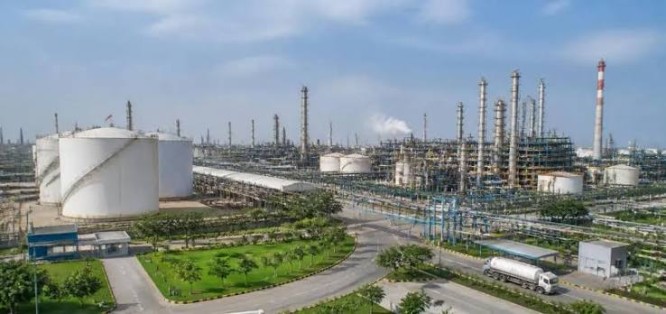
The scheme will support the development of three world-class chemical manufacturing parks, providing modern industrial infrastructure designed to attract domestic and international investment in chemicals, petrochemicals and specialty chemicals.
The initiative forms part of the government's broader manufacturing and industrial policy aimed at improving supply-chain resilience, increasing domestic value addition and reducing import dependence in strategically important sectors.
Three Integrated Chemical Parks to Be Developed

Under the BHAVYA-Rasayan scheme, three integrated chemical manufacturing parks will be established in partnership with participating state governments.
These parks are expected to provide:
-
Common industrial infrastructure
-
Utility services
-
Internal logistics
-
Waste management systems
-
Environmental infrastructure
-
Storage facilities
-
Research support
-
Industrial connectivity
Integrated infrastructure is expected to lower project costs while improving operational efficiency for manufacturers.
₹3,030 Crore Central Financial Support
The scheme provides ₹3,030 crore in central financial assistance to accelerate the development of large-scale chemical manufacturing infrastructure.
Government support will primarily focus on:
-
Core infrastructure
-
Common utilities
-
Internal roads
-
Water systems
-
Power infrastructure
-
Environmental facilities
-
Industrial services
-
Shared logistics
Common infrastructure reduces capital expenditure for individual manufacturers while encouraging industrial clustering.
Strengthening India's Chemical Manufacturing Base
India is already among the world's largest chemical producers, but policymakers aim to significantly expand the country's manufacturing capabilities across higher-value chemical products.
Priority segments include:
-
Specialty chemicals
-
Petrochemicals
-
Performance chemicals
-
Fine chemicals
-
Agrochemicals
-
Industrial chemicals
-
Advanced materials
-
Chemical intermediates
The parks are expected to improve India's competitiveness across these product categories.
Industrial Clusters Improve Competitiveness
Chemical manufacturing benefits significantly from industrial clusters where multiple companies operate within a shared ecosystem.
Cluster-based development offers advantages such as:
-
Lower logistics costs
-
Shared utilities
-
Skilled workforce availability
-
Supplier networks
-
Faster project execution
-
Better environmental management
-
Technology collaboration
-
Higher operational efficiency
These benefits can improve productivity while reducing operating costs.
Supporting the Make in India Initiative
The BHAVYA-Rasayan scheme aligns with the government's broader Make in India strategy by encouraging domestic manufacturing across high-value industrial sectors.
The programme aims to:
-
Increase local production
-
Attract private investment
-
Enhance exports
-
Improve industrial competitiveness
-
Reduce import dependence
-
Generate employment
-
Build manufacturing capacity
-
Strengthen supply chains
Expanding domestic production also supports India's ambition of becoming a global manufacturing destination.
Import Substitution Remains a Key Objective
India imports several specialty and intermediate chemicals used by downstream industries.
Developing domestic manufacturing capacity could reduce dependence on imported products while improving supply-chain resilience.
Import substitution may benefit sectors including:
-
Pharmaceuticals
-
Agriculture
-
Automotive
-
Electronics
-
Construction
-
Consumer goods
-
Textiles
-
Industrial manufacturing
A stronger domestic chemical industry also enhances strategic industrial security.
Specialty Chemicals Present Strong Growth Opportunities
Specialty chemicals remain one of the fastest-growing segments of India's manufacturing economy.
Demand continues increasing from industries such as:
-
Pharmaceuticals
-
Personal care
-
Electronics
-
Food processing
-
Water treatment
-
Renewable energy
-
Electric vehicles
-
Advanced manufacturing
The new chemical parks are expected to support future capacity expansion in these high-growth areas.
Infrastructure Plays a Critical Role
Large chemical manufacturing facilities require sophisticated infrastructure beyond conventional industrial estates.
Essential infrastructure includes:
-
Reliable power supply
-
Industrial water systems
-
Hazardous waste management
-
Chemical storage
-
Transport connectivity
-
Pipeline networks
-
Emergency response systems
-
Environmental monitoring
Shared infrastructure reduces investment requirements for individual manufacturers while improving operational safety.
Environmental Management Becomes Central
Modern chemical parks increasingly integrate environmental protection into their design.
Key features may include:
-
Common effluent treatment plants
-
Hazardous waste disposal
-
Emission monitoring
-
Water recycling
-
Green infrastructure
-
Environmental compliance systems
-
Resource efficiency
-
Sustainable operations
Centralised environmental facilities help manufacturers meet regulatory requirements more efficiently.
Logistics Efficiency Supports Manufacturing
Efficient logistics are essential for the chemicals industry due to the movement of raw materials, intermediates and finished products.
Industrial parks can improve logistics through:
-
Internal road networks
-
Rail connectivity
-
Port access
-
Bulk storage
-
Warehousing
-
Container facilities
-
Pipeline infrastructure
-
Digital logistics management
Lower transportation costs improve global competitiveness for exporters.
Employment Generation Expected
The scheme is expected to generate significant employment during both construction and operational phases.
Potential job creation includes:
-
Manufacturing
-
Engineering
-
Construction
-
Research
-
Environmental management
-
Logistics
-
Plant operations
-
Industrial services
The development of supporting industries could create additional indirect employment opportunities across regional economies.
Investment Attraction Remains a Priority
The government expects the parks to attract substantial private-sector investment from domestic and international companies.
Potential investment areas include:
-
Greenfield manufacturing
-
Capacity expansion
-
Joint ventures
-
Technology partnerships
-
Research facilities
-
Export-oriented production
-
Downstream industries
-
Industrial services
Modern industrial infrastructure often improves investor confidence by reducing project execution risks.
Exports Could Receive a Boost
A stronger manufacturing base may support India's chemical exports.
Export opportunities exist across:
-
Specialty chemicals
-
Industrial chemicals
-
Petrochemical products
-
Agrochemicals
-
Performance materials
-
Pharmaceutical intermediates
-
Advanced materials
-
Process chemicals
Expanding exports could strengthen India's position in global chemical supply chains.
Technology and Innovation Gain Importance
Future competitiveness will depend not only on manufacturing capacity but also on technological capabilities.
Areas likely to receive increased attention include:
-
Process innovation
-
Automation
-
Digital manufacturing
-
Green chemistry
-
Resource efficiency
-
Product development
-
Research collaboration
-
Advanced materials
Technology adoption can improve productivity while supporting sustainable manufacturing.
Global Supply Chain Diversification Supports India
International manufacturers continue diversifying production across multiple countries.
India's expanding industrial infrastructure could strengthen its attractiveness as an alternative manufacturing destination.
Factors supporting investment include:
-
Large domestic market
-
Skilled workforce
-
Policy support
-
Infrastructure development
-
Growing exports
-
Stable demand
-
Manufacturing incentives
-
Expanding industrial ecosystem
The BHAVYA-Rasayan scheme could therefore contribute to India's integration into global chemical supply chains.
Challenges Remain
Despite strong policy support, several challenges remain.
These include:
-
Land acquisition
-
Environmental approvals
-
Infrastructure execution
-
Skilled workforce availability
-
Raw material costs
-
Global competition
-
Regulatory compliance
-
Project timelines
Successful implementation will depend on effective coordination between central and state governments.
What Investors Should Watch
Industry participants should monitor:
-
Selection of park locations
-
State government participation
-
Infrastructure development
-
Private investment commitments
-
Environmental approvals
-
Project timelines
-
Manufacturing capacity additions
-
Export growth
-
Policy implementation
-
Downstream industrial investment
These developments will indicate how quickly the scheme translates into actual manufacturing activity.
Outlook
The BHAVYA-Rasayan scheme represents one of India's most significant recent industrial infrastructure initiatives for the chemicals sector.
By combining central financial support with integrated industrial development, the programme seeks to create globally competitive manufacturing ecosystems capable of attracting long-term investment.
If implemented successfully, the initiative could strengthen India's position as a major global producer of chemicals while supporting employment, exports and industrial growth.
Conclusion
The government's ₹3,030 crore BHAVYA-Rasayan scheme marks an important milestone in India's manufacturing strategy by creating dedicated infrastructure for world-class chemical production.
The development of three integrated chemical manufacturing parks is expected to improve competitiveness, encourage investment and strengthen domestic production across specialty chemicals, petrochemicals and related industries.
While execution, infrastructure development and regulatory coordination will remain critical, the initiative has the potential to transform India's chemicals sector into a more globally integrated and technologically advanced manufacturing ecosystem.