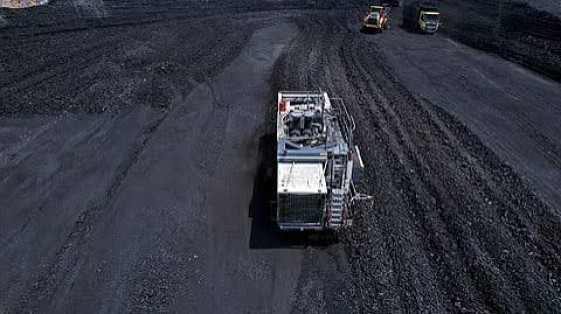
Government Allocates $4 Billion to Support Coal-to-Gas Conversion Projects
The government has allocated $4 billion to support coal-to-gas conversion projects as part of its broader strategy to modernise the energy sector, strengthen energy security and encourage cleaner industrial fuel alternatives. The investment is expected to accelerate the development of coal gasification infrastructure while supporting domestic manufacturing, reducing dependence on imported fuels and promoting advanced energy technologies.
The initiative reflects increasing efforts to diversify the country's energy mix while balancing economic growth, industrial development and environmental sustainability.
Major Investment Targets Energy Transition

The funding programme is designed to accelerate large-scale coal-to-gas conversion capacity across multiple industrial sectors.
Key objectives include:
-
Coal gasification projects
-
Cleaner fuel production
-
Industrial decarbonisation
-
Domestic energy production
-
Energy security
-
Infrastructure development
-
Technology adoption
-
Long-term sustainability
The investment is expected to encourage greater private sector participation in advanced energy projects.
Coal Gasification Supports Industrial Demand
Coal-to-gas technology converts coal into synthetic gas that can be used across various industries.
Major applications include:
-
Chemical manufacturing
-
Fertiliser production
-
Power generation
-
Steel manufacturing
-
Industrial heating
-
Hydrogen production
-
Petrochemicals
-
Synthetic fuels
The technology offers industries an alternative source of feedstock and energy.
Energy Security Remains a Strategic Priority
Reducing dependence on imported fuels continues to be an important policy objective.
Coal-to-gas projects can contribute to:
-
Domestic fuel availability
-
Supply diversification
-
Import substitution
-
Industrial resilience
-
Stable energy supplies
-
Strategic resource utilisation
-
Long-term energy planning
-
Economic security
Greater domestic production can improve resilience against global energy market volatility.
Infrastructure Development Gains Momentum
Large-scale investment will require expansion of supporting infrastructure.
Key areas include:
-
Gasification facilities
-
Processing plants
-
Storage infrastructure
-
Pipeline connectivity
-
Industrial logistics
-
Utility networks
-
Technology integration
-
Engineering services
Infrastructure development is expected to generate long-term industrial investment.
Manufacturing Sector Benefits
Coal-to-gas projects can support several manufacturing industries.
Potential beneficiaries include:
-
Chemicals
-
Fertilisers
-
Steel
-
Cement
-
Engineering
-
Heavy industry
-
Industrial gases
-
Energy equipment
Reliable access to alternative industrial fuels can improve production efficiency and competitiveness.
Technology and Innovation Drive Growth
Advanced technologies play a central role in modern coal gasification.
Investment priorities include:
-
High-efficiency gasifiers
-
Carbon management
-
Process automation
-
Artificial intelligence
-
Digital monitoring
-
Energy optimisation
-
Environmental controls
-
Research and development
Innovation is expected to improve operational efficiency while reducing environmental impacts.
Environmental Considerations Remain Important
Coal-to-gas projects increasingly incorporate cleaner technologies and efficiency improvements.
Key sustainability priorities include:
-
Lower emissions
-
Improved energy efficiency
-
Resource optimisation
-
Carbon management
-
Cleaner industrial processes
-
Water efficiency
-
Waste reduction
-
Environmental compliance
Environmental performance will remain an important factor in future project development.
Employment and Industrial Growth
Large infrastructure projects can contribute to economic activity across multiple sectors.
Potential economic benefits include:
-
Employment generation
-
Engineering contracts
-
Equipment manufacturing
-
Construction activity
-
Regional development
-
Technology services
-
Supply chain expansion
-
Industrial investment
The programme is expected to stimulate activity across the broader industrial ecosystem.
Private Sector Participation Expected
Government support is likely to encourage additional investment from private companies.
Areas of collaboration include:
-
Project financing
-
Technology partnerships
-
Infrastructure development
-
Engineering services
-
Equipment manufacturing
-
Research initiatives
-
Industrial operations
-
Long-term project management
Public-private partnerships can accelerate project execution and innovation.
Risks to Monitor
Industry participants should continue monitoring:
-
Project execution
-
Capital costs
-
Technology performance
-
Environmental regulations
-
Fuel economics
-
Infrastructure readiness
-
Financing conditions
-
Commodity prices
-
Policy implementation
-
Industrial demand
These factors will influence the long-term viability of coal-to-gas investments.
What Investors Should Watch
Key indicators include:
-
Project approvals
-
Capital expenditure
-
Infrastructure development
-
Industrial participation
-
Technology deployment
-
Government policy updates
-
Energy demand
-
Manufacturing growth
-
Environmental compliance
-
Long-term project execution
These metrics will help assess the commercial impact of the investment programme.
Outlook
Government support for coal-to-gas conversion projects is expected to strengthen industrial energy infrastructure while supporting cleaner fuel alternatives and domestic resource utilisation.
As technology advances and infrastructure expands, coal gasification could become an increasingly important component of the country's long-term energy strategy.
Future success will depend on efficient execution, technological innovation, environmental performance and sustained industrial demand.
Conclusion
The government's $4 billion allocation for coal-to-gas conversion projects underscores its commitment to strengthening energy security, supporting industrial growth and promoting advanced energy technologies.
By investing in gasification infrastructure, cleaner industrial fuels and domestic energy production, the initiative aims to improve long-term competitiveness while supporting a more diversified energy mix.
Investors will closely monitor project implementation, policy developments, technology adoption and industrial demand to evaluate the long-term impact of this strategic investment.