
As the Indian economy continues to grow, individuals are looking for secure investments that can provide high returns without exposing them to significant risk.
With numerous investment avenues available, choosing the right one can be daunting. However, understanding the landscape of high return investments in India is crucial for making informed decisions.
In 2025, the Indian market is expected to offer a range of investment options that cater to different risk appetites and financial goals.
Key Takeaways
- Understanding the Indian investment landscape is crucial for securing high returns.
- Various investment options are available, catering to different risk appetites.
- Secure investments can provide stability and growth.
- High return investments require careful consideration and planning.
- Staying informed about market trends is essential for making smart investment decisions.
The Investment Landscape in India for 2025
As we approach 2025, India's investment landscape is poised for significant changes driven by economic trends and market dynamics. The country's economic outlook is a crucial factor influencing investment decisions.
Economic Outlook and Market Trends
India's GDP growth projections indicate a positive trajectory, with the economy expected to grow at a rate of 7-8% in 2025. This growth is likely to be driven by increased consumer spending, government infrastructure initiatives, and a rise in foreign investments.
GDP Growth Projections and Impact on Investments
A robust GDP growth rate has a direct impact on investment opportunities. Sectors such as technology, healthcare, and renewable energy are expected to witness significant growth.
Sectoral Growth Opportunities
Various sectors are poised for growth in 2025. The table below highlights some of the key sectors and their growth prospects.
| Sector | Growth Prospects | Investment Potential |
|---|---|---|
| Technology | High growth driven by digitalization | High |
| Healthcare | Increasing demand for healthcare services | Moderate to High |
| Renewable Energy | Government initiatives promoting green energy | High |
Factors Influencing Investment Decisions in 2025
Investors in 2025 will need to consider several factors, including inflation expectations and interest rate trajectory.
Inflation Expectations
Inflation is expected to remain under control, around 4-5%, due to effective monetary policies. This stability will positively impact investment decisions.
Interest Rate Trajectory
The interest rate environment is likely to be influenced by the Reserve Bank of India's monetary policies. A stable interest rate will encourage investments in various asset classes.

Understanding these factors will be crucial for investors to make informed decisions in 2025. By analyzing economic outlook, market trends, and other influencing factors, investors can identify top investment opportunities and develop the best investment strategies.
Understanding Risk-Return Relationship in Investments
Investing in the Indian market requires a deep understanding of the risk-return relationship to make informed decisions. The risk-return relationship is fundamental to investing, as it directly impacts the potential returns on investment.
The Risk-Return Spectrum Explained
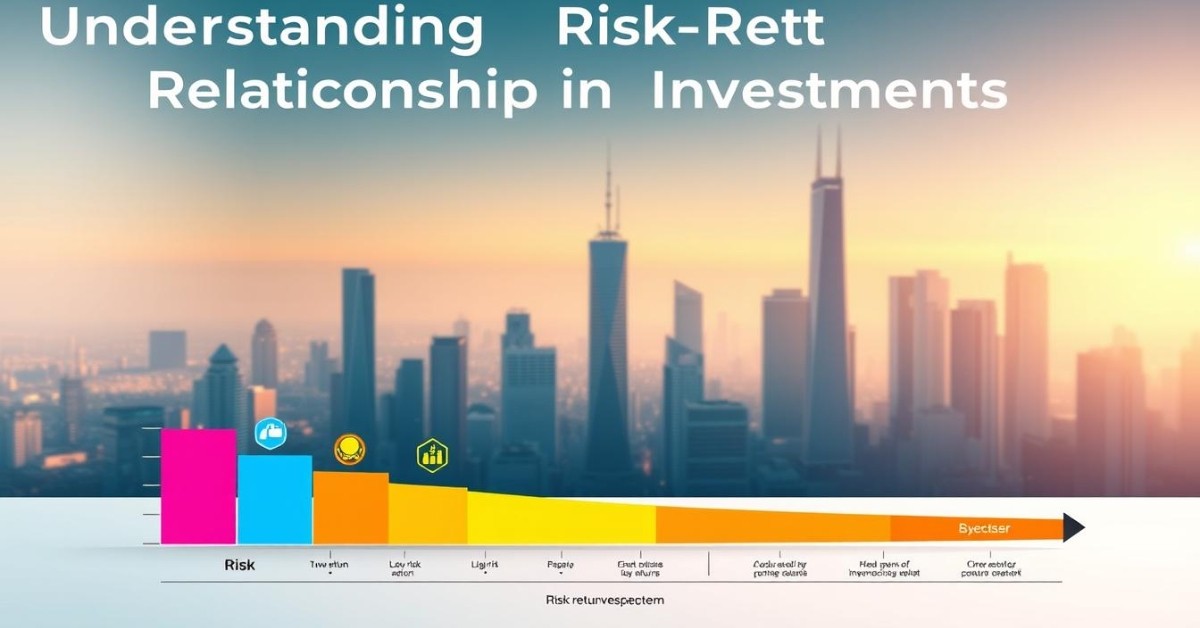
The risk-return spectrum is a concept that illustrates the relationship between the level of risk taken and the potential returns on an investment. Generally, investments with higher risks offer higher potential returns, while those with lower risks offer lower returns.
Low Risk, Low Return Options
Low-risk investments typically include fixed deposits, government bonds, and public provident fund (PPF). These investments are generally considered safe but offer lower returns compared to higher-risk investments.
High Risk, High Return Options
On the other end of the spectrum are high-risk investments, such as stocks, equity mutual funds, and venture capital. These investments have the potential for high returns but come with a higher risk of losses.
Balancing Risk and Returns in the Indian Market
Balancing risk and returns is crucial for investors in the Indian market. This involves assessing one's risk tolerance and investment goals to create a diversified portfolio.
Risk Assessment Techniques
Investors can use various risk assessment techniques, such as risk profiling and stress testing, to understand their risk tolerance and make informed decisions.
Diversification Strategies
Diversification is a key strategy for managing risk. By spreading investments across different asset classes, such as equities, bonds, and real estate, investors can reduce their overall risk.
Best Investment Options in India 2025 for High Returns
As we look towards 2025, the Indian investment landscape is poised for significant growth, driven by various high-return investment options. Investors are presented with a multitude of choices, ranging from equity investments to sectoral opportunities, each with its unique potential for returns.
Equity Investments: Stocks and Equity Mutual Funds
Equity investments remain a popular choice among investors seeking high returns. This category includes stocks and equity mutual funds, offering a range of risk and return profiles.
Blue-chip Stocks for Stability
Blue-chip stocks are known for their stability and consistent performance. Companies like Tata Consultancy Services and Infosys are considered stalwarts in the Indian market, offering relatively stable returns.
Growth Stocks with Potential
Growth stocks, on the other hand, offer the potential for higher returns, albeit with higher risk. Companies in emerging sectors, such as technology and healthcare, are attracting investor attention.
Small Cap and Mid Cap Opportunities
Small cap and mid cap stocks offer significant growth opportunities for investors. These companies are often in the early stages of their growth cycle, presenting a chance for substantial returns.
Emerging Sectors in Small Cap Space
Emerging sectors such as renewable energy and e-commerce are witnessing the emergence of promising small cap companies. Investors can benefit from identifying these companies early.
Sectoral Investments with Growth Potential
Certain sectors are poised for significant growth in 2025, driven by technological advancements and changing consumer preferences.
Technology and Digital Transformation
The technology sector, particularly companies involved in digital transformation, is expected to continue its growth trajectory. As per a recent report, "The future of investment lies in embracing technological innovation."
"The future of investment lies in embracing technological innovation," said a leading financial analyst, highlighting the importance of technology in investment decisions.
Healthcare and Pharmaceuticals
The healthcare and pharmaceuticals sector is another area with significant growth potential, driven by India's growing healthcare needs and the government's initiatives in the sector.
Investors should consider diversifying their portfolios across these sectors to maximize returns while managing risk. As the Indian economy continues to grow, the investment opportunities in 2025 are expected to be robust, offering a range of options for investors.
Safe Investment Options with Moderate Returns
For investors seeking a balance between risk and return, safe investment options with moderate returns are an attractive choice in 2025. These investments are characterized by their lower risk profile compared to equity investments, making them suitable for risk-averse investors.
Government Schemes: PPF, NSC, and KVP
Government-backed schemes are a popular choice among conservative investors. These include the Public Provident Fund (PPF), National Savings Certificate (NSC), and Kisan Vikas Patra (KVP).
Public Provident Fund (PPF) Features
The PPF is a long-term investment option that offers a stable return with tax benefits. It has a lock-in period of 15 years, extendable in blocks of 5 years.
National Savings Certificate (NSC) Benefits
NSC is another government-backed investment that provides fixed returns and tax benefits. It has a lock-in period of 5 years.
| Scheme | Lock-in Period | Returns | Tax Benefits |
|---|---|---|---|
| PPF | 15 years | Moderate | Yes |
| NSC | 5 years | Fixed | Yes |
| KVP | Until Maturity | Fixed | No |
Fixed Deposits and Corporate Bonds
Fixed Deposits (FDs) and Corporate Bonds are other safe investment options. FDs are offered by banks, while Corporate Bonds are issued by companies.
Bank FDs vs. Corporate FDs
Bank FDs are generally considered safer than Corporate FDs due to the backing of banks. However, Corporate FDs may offer higher returns.
Post Office Savings Schemes
Post Office Savings Schemes, including the Post Office Monthly Income Scheme and Senior Citizens Savings Scheme, offer attractive returns with low risk.
Post Office Monthly Income Scheme
This scheme provides a regular monthly income, making it suitable for retirees or those seeking regular income.
Senior Citizens Savings Scheme
Designed for senior citizens, this scheme offers higher interest rates and tax benefits, making it an attractive option for this demographic.
In conclusion, safe investment options with moderate returns offer a viable alternative for investors looking to balance risk and reward. By considering government schemes, fixed deposits, corporate bonds, and post office savings schemes, investors can create a diversified portfolio that meets their financial goals.
Tax-Efficient Investment Options for 2025
As we approach 2025, investors are increasingly looking for tax-efficient investment options to maximize their returns. With various investment avenues available, understanding the tax implications of each is crucial for making informed decisions.
ELSS and Other Tax-Saving Mutual Funds
Equity Linked Savings Schemes (ELSS) are a popular tax-saving investment option under Section 80C. They not only provide tax benefits but also offer the potential for high returns through equity investments.
ELSS vs. Other Section 80C Options
Compared to other Section 80C options like PPF or NSC, ELSS has a lock-in period of just three years, making it a more liquid option. Additionally, ELSS has the potential to deliver higher returns, although it comes with market risk.
National Pension System (NPS)
The National Pension System (NPS) is another tax-efficient investment option that offers benefits under Section 80C and additional benefits under Section 80CCD(1B). NPS is designed to provide a retirement corpus, making it a long-term investment option.
NPS Tax Benefits and Withdrawal Rules
NPS offers tax deductions up to ₹1.5 lakh under Section 80C and an additional ₹50,000 under Section 80CCD(1B). The withdrawal rules are also investor-friendly, allowing up to 60% of the corpus to be withdrawn tax-free.
Tax-Free Bonds
Tax-free bonds are issued by certain infrastructure companies and offer interest income that is exempt from tax. These bonds are attractive for investors in higher tax brackets.
Current Offerings and Expected Returns
Currently, several infrastructure companies are issuing tax-free bonds with attractive yields. The expected returns are generally higher than those offered by traditional fixed-income investments, making them an appealing option for tax-conscious investors.
Real Estate Investment Opportunities
Real estate investments in India are gaining traction, driven by various factors including government policies and urbanization. The sector offers a range of opportunities, from residential to commercial properties.
Residential vs. Commercial Real Estate
Investors can choose between residential and commercial real estate, each with its own set of benefits. Residential real estate offers rental income and capital appreciation, while commercial properties provide higher rental yields.
Tier 1 vs. Tier 2 Cities
Tier 1 cities like Delhi and Mumbai offer mature markets with high demand, while Tier 2 cities like Pune and Hyderabad provide growth potential with lower investment costs.
Rental Yield Comparisons
Rental yields vary significantly between residential and commercial properties. Commercial properties in prime locations can offer yields as high as 8-10%, while residential properties may yield around 3-5%.
REITs: The New Way to Invest in Real Estate
Real Estate Investment Trusts (REITs) have emerged as a popular investment option, allowing individuals to invest in real estate without directly managing properties.
Top REITs in India and Their Performance
Some of the top REITs in India include Embassy Office Parks REIT and Mindspace Business Parks REIT. These REITs have delivered strong returns, with some yielding over 8%.
Rental Yield and Capital Appreciation Prospects
Investors should consider both rental yield and capital appreciation when choosing real estate investments. Emerging hotspots like secondary cities and townships offer potential for high returns.
Emerging Real Estate Hotspots
Cities like Ahmedabad and Chennai are emerging as new hotspots, driven by infrastructure development and government initiatives.
- Residential Real Estate: Offers rental income and capital appreciation.
- Commercial Real Estate: Provides higher rental yields, especially in prime locations.
- REITs: Allow indirect investment in real estate with potential for high returns.
Gold and Other Precious Metals as Investment
The allure of gold and other precious metals as investment options continues to captivate investors worldwide. These assets have historically served as a hedge against inflation, currency fluctuations, and market volatility.
Physical Gold vs. Digital Gold
Investors can choose between physical gold and digital gold. Physical gold provides a tangible asset, while digital gold offers convenience and ease of transaction.
Storage and Liquidity Considerations
When opting for physical gold, storage and security become significant concerns. Digital gold, on the other hand, offers greater liquidity and ease of use.
Gold ETFs and Sovereign Gold Bonds
Gold ETFs and Sovereign Gold Bonds are popular investment instruments that allow investors to benefit from gold price movements without the need for physical storage.
Comparative Analysis of Returns
Gold ETFs typically offer returns that closely track the gold price, while Sovereign Gold Bonds provide an additional interest component.
Silver and Other Precious Metals
Besides gold, other precious metals like silver, platinum, and palladium are also viable investment options, driven by their industrial demand and price outlook.
Industrial Demand and Price Outlook
The price of these metals is influenced by their use in various industries, including jewelry, electronics, and automotive manufacturing.
Investing in gold and other precious metals can be a strategic move to diversify one's portfolio. Whether through physical gold, gold ETFs, or other precious metals, these investments offer a unique combination of stability and potential for growth.
Digital and Fintech Investment Platforms
As we step into 2025, digital and fintech investment platforms are revolutionizing the way Indians invest. These platforms are making investing more accessible, convenient, and user-friendly.
Robo-Advisors and Automated Investing
Robo-advisors have emerged as a popular choice among investors, offering automated investment advice with minimal human intervention. They provide a cost-effective solution compared to traditional financial advisors.
Cost Comparison with Traditional Advisors
Robo-advisors charge significantly lower fees than traditional financial advisors, making them an attractive option for cost-conscious investors. For instance, robo-advisors might charge around 0.25% to 0.50% of the investment amount annually, whereas traditional advisors might charge between 1% to 2%.
Algorithm-Based Portfolio Management
These platforms use sophisticated algorithms to manage portfolios, ensuring diversification and optimization based on the investor's risk profile and goals. This approach helps in maximizing returns while minimizing risk.
Mobile Investment Apps
Mobile investment apps have made it possible for investors to manage their investments on-the-go. These apps offer a range of features that enhance the user experience.
Features and User Experience
Mobile investment apps provide real-time updates, easy navigation, and personalized recommendations, making investing more engaging and accessible. Features like push notifications and in-app support further enhance the user experience.
Fractional Investing Opportunities
Fractional investing allows investors to buy fractions of high-value assets, making it possible to diversify portfolios without needing large amounts of capital.
Democratization of High-Value Assets
This approach democratizes access to high-value assets like real estate or stocks of expensive companies, allowing a broader range of investors to participate. It opens up new avenues for diversification and potentially higher returns.
In conclusion, digital and fintech investment platforms are set to play a pivotal role in shaping the investment landscape in India in 2025. By offering innovative solutions like robo-advisors, mobile investment apps, and fractional investing, these platforms are making investing more accessible and efficient.
Alternative Investment Options for Diversification
The Indian investment landscape is evolving, with alternative investments emerging as a viable option for diversification. As investors seek to spread risk and potentially increase returns, alternative investments are gaining attention.
Peer-to-Peer Lending
Peer-to-peer lending has become a popular alternative investment option, allowing individuals to lend money to borrowers, earning interest on their investment. This model offers attractive returns, often higher than traditional fixed-income investments.
Platform Comparison and Risk Assessment
When considering peer-to-peer lending, it's essential to compare platforms and assess the associated risks. Key factors to evaluate include:
- Default rates and credit scoring models
- Loan tenure and interest rates
- Platform fees and charges
- Recovery processes and customer support
Cryptocurrency Investments: Risks and Rewards
Cryptocurrency investments have gained significant attention in recent years, offering potentially high returns. However, they come with substantial risks, including market volatility and regulatory uncertainties.
Regulatory Environment in India
The regulatory environment for cryptocurrencies in India is still evolving. Investors must stay informed about the latest developments and potential impacts on their investments.
Crypto Taxation Guidelines
Understanding the tax implications of cryptocurrency investments is crucial. The Indian government has introduced guidelines on taxing cryptocurrency gains, which investors must comply with.
Startup Investments and Angel Funding
Investing in startups and angel funding can be an exciting alternative investment option, offering the potential for high returns. However, it requires careful evaluation and due diligence.
Angel Networks and Platforms
Several angel networks and platforms facilitate startup investments, connecting investors with promising startups. These platforms often provide valuable insights and support to investors.
As with any investment, it's crucial to assess the risks and potential rewards before investing in alternative options. By doing so, investors can make informed decisions and diversify their portfolios effectively.
Long-Term Investment Strategies for Wealth Creation
Investing for the long haul can be a game-changer for individuals looking to build wealth. A well-crafted long-term investment strategy helps in navigating the complexities of the financial market and achieving financial goals.
Systematic Investment Plans (SIPs)
Systematic Investment Plans, or SIPs, are a popular investment option that allows individuals to invest a fixed amount of money at regular intervals. This method helps in reducing the impact of market volatility and timing risks.
SIP vs. Lump Sum Investing
SIPs offer several advantages over lump sum investing, including the ability to average out market fluctuations and invest smaller amounts regularly. However, lump sum investing can be beneficial when the market is low, potentially leading to higher returns.
SIP Return Calculator and Projections
Using an SIP return calculator can help investors understand the potential returns on their investments. These calculators provide projections based on historical data and can aid in planning long-term financial goals.
Asset Allocation Models for Different Age Groups
Asset allocation is a critical component of a long-term investment strategy. Different age groups have different investment goals and risk tolerance levels.
20s-30s: Aggressive Growth Portfolio
For younger investors, an aggressive growth portfolio with a higher proportion of equities can be suitable, as it offers the potential for higher returns over the long term.
40s-50s: Balanced Portfolio
As investors approach middle age, a balanced portfolio that includes a mix of equities and debt instruments can help in managing risk while still providing growth opportunities.
60+: Conservative Income Portfolio
For retirees or those nearing retirement, a conservative income portfolio focusing on fixed income instruments can provide regular income and help preserve capital.
Power of Compounding: Case Studies
The power of compounding is a significant factor in long-term wealth creation. Even small, consistent investments can grow substantially over time due to compounding.
Real-Life Success Stories
There are numerous examples of individuals who have achieved significant financial success through long-term investing. These stories highlight the importance of patience, discipline, and the right investment strategy.
In conclusion, long-term investment strategies such as SIPs, appropriate asset allocation, and leveraging the power of compounding can significantly contribute to wealth creation. By understanding these concepts and applying them effectively, investors can work towards achieving their financial goals.
Investment Options Based on Risk Profiles
Investors in India are increasingly looking for investment options that align with their risk profiles in 2025. Understanding one's risk tolerance is essential to making informed investment decisions.
Conservative Investor Portfolio
Conservative investors prioritize capital preservation over high returns. They typically prefer debt instruments and low-risk investments.
Debt-Heavy Allocation
A debt-heavy allocation strategy involves investing a significant portion of the portfolio in fixed-income securities like bonds and fixed deposits.
Capital Preservation Strategies
Capital preservation is achieved through investments in low-risk assets such as government securities and high-quality corporate bonds.
Moderate Risk Investor Portfolio
Moderate risk investors seek a balance between risk and return. They are open to investing in a mix of debt and equity.
Balanced Allocation Approach
A balanced allocation involves distributing investments across different asset classes to manage risk and potential returns.
| Asset Class | Allocation Percentage |
|---|---|
| Equity | 40% |
| Debt | 40% |
| Alternatives | 20% |
Aggressive Investor Portfolio
Aggressive investors are willing to take higher risks for potentially higher returns. They often invest in equities and other high-growth assets.
High-Growth Focus
A high-growth focus involves investing in sectors and stocks that have the potential for significant growth.
Emerging Market Opportunities
Emerging markets offer opportunities for high growth, though they come with higher risks.
Common Investment Mistakes to Avoid in 2025
With the investment landscape evolving rapidly, understanding the common mistakes to avoid in 2025 is more important than ever. Investors must be aware of the pitfalls that can impact their financial goals.
Timing the Market vs. Time in the Market
One of the most significant investment mistakes is attempting to time the market. Many investors try to predict market fluctuations, but this strategy often leads to missed opportunities and losses.
Historical Evidence Against Market Timing
Historical data shows that staying invested in the market over the long term yields better returns than trying to time the market. According to a study, investors who stayed in the market for a longer duration had higher returns compared to those who tried to time their investments.
"The stock market is filled with individuals who know the price of everything, but the value of nothing." - Philip Fisher
Ignoring Inflation and Taxation Impact
Another critical mistake is ignoring the impact of inflation and taxation on investments. Investors often overlook how these factors can erode their returns.
Real Returns Calculation
To understand the real returns on an investment, one must account for inflation and taxes. For instance, if an investment yields 8% returns but inflation is 3%, the real return is 5%. Further, if the tax rate is 10%, the post-tax return would be 4.5%.
Lack of Diversification and Overexposure
Lack of diversification is a common pitfall that can lead to significant losses. Investors should spread their investments across various asset classes to mitigate risk.
Warning Signs of an Unbalanced Portfolio
Warning signs of an unbalanced portfolio include overexposure to a single stock or sector, lack of exposure to international markets, and not adjusting the portfolio according to changing market conditions.
By avoiding these investment mistakes, investors can enhance their chances of achieving their financial goals in 2025. It's essential to stay informed, diversify investments, and maintain a long-term perspective.
Conclusion: Creating Your Personalized Investment Portfolio for 2025
As we navigate the investment landscape in 2025, it's clear that creating a personalized investment portfolio is crucial for achieving financial goals. By understanding the risk-return relationship, exploring various investment options, and adopting best investment strategies, investors can make informed decisions.
A well-diversified portfolio that aligns with individual risk profiles and financial objectives is key to long-term success. Investors can consider a mix of equity investments, government schemes, real estate, and alternative investment options to create a robust portfolio.
To develop a tailored investment strategy, it's essential to assess personal financial goals, risk tolerance, and time horizon. By doing so, investors can identify the best investment strategies that suit their needs. Regular portfolio rebalancing and staying informed about market trends can also help investors stay on track.
By following the insights and guidance provided in this article, investors can create a personalized investment portfolio that helps them achieve their financial objectives in 2025 and beyond.