Long before serums and sheet masks lined modern shelves, the world’s oldest civilizations were perfecting their own versions of beauty and wellness. From the steam-filled bathhouses of Morocco to the tranquil hot springs of Japan, every culture has cherished time-honored rituals that reflect its unique relationship with self-care, skincare, and inner balance.
In an age where beauty is increasingly global and mindful, these ancient practices are finding new resonance—reminding us that the journey to glow often begins with tradition.
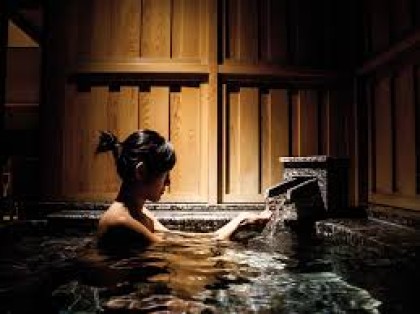
Japan: The Art of Purity in the Onsen
The Japanese onsen, or natural hot spring bath, is more than a place to soak—it's a cornerstone of the country’s wellness culture. Rich in minerals like sulfur, magnesium, and calcium, onsen waters are believed to detoxify the skin, improve circulation, and calm the mind.
Complementing the bath is double cleansing, a method rooted in centuries of geisha beauty routines—first with an oil to remove impurities, then with a foaming cleanser for deep purification. Paired with green tea-infused skincare and rice water toners, Japan’s beauty philosophy is all about purity, harmony, and respect for the skin’s natural rhythm.
Morocco: Detox and Rejuvenation in the Hammam
Step into a Moroccan hammam, and you enter a world of steam, black soap, and ritualistic exfoliation. Traditionally a weekly practice for both beauty and social bonding, the hammam begins with steam therapy to open pores, followed by a vigorous scrub using a kessa glove and Beldi black soap made from olives.
A rhassoul clay mask, sourced from Morocco’s Atlas Mountains, often follows to draw out toxins and nourish the skin with natural minerals. To finish, the body is anointed with argan oil, Morocco’s "liquid gold", rich in antioxidants and essential fatty acids.
India: Ayurvedic Balance Through Skin and Spirit
India’s beauty traditions are deeply tied to Ayurveda, the ancient system of holistic medicine. Rituals often begin with abhyanga, a full-body massage using warm herbal oils tailored to your dosha (body type). These oils, often infused with turmeric, neem, or sandalwood, work to detoxify, calm, and restore.
Ubtan—a blend of chickpea flour, turmeric, rose water, and herbs—is a popular face and body pack used before weddings or festivals. Hair is treated with amla, bhringraj, and coconut oil, continuing the belief that beauty is a mirror of internal wellness.
Korea: Layered Skincare and Cultural Precision
The world has taken notice of the 10-step Korean skincare routine, but its roots lie in the traditional Korean value of discipline and respect for ritual. Centuries ago, royal court women used homemade concoctions of ginseng, rice water, and honey to maintain youth.
Today, sheet masks, essences, ampoules, and lightweight moisturizers are part of the modern evolution, all designed to build skin resilience and luminosity over time. The underlying philosophy remains: beauty is a long-term investment, not a quick fix.
Turkey: Steam, Scrub, and Serenity in the Hammam
Much like Morocco, Turkish hammams are steeped in history. After a steam session to relax muscles and open pores, attendants perform a rigorous scrubbing ritual using olive oil soap and a coarse mitt, removing dead skin and rejuvenating the body.
Many follow with a foam massage and rest in a marble lounge, sipping tea. The experience is not only a deep cleanse but a symbol of renewal, believed to energize both body and soul.
Scandinavia: Ice, Saunas, and Simplicity
In the Nordic regions, contrast therapy—alternating hot saunas with cold plunges—is central to wellness. This method boosts circulation, tightens skin, and energizes the body. Scandinavians also favor minimalism in skincare, opting for clean ingredients, sea buckthorn oil, and glacier water toners.
This "less is more" approach reflects a deep respect for nature and inner calm, with beauty defined by freshness and authenticity, not excess.
Brazil: Body Confidence and Natural Radiance
Brazilian beauty rituals celebrate sun-kissed skin and bold body positivity. Coffee scrubs are a favorite, boosting circulation and exfoliating naturally. Locally sourced ingredients like cupuaçu butter, açai oil, and buriti oil nourish and soften.
Hair care is also big—keratin treatments and babassu oil masks are common. The overarching philosophy? Confidence is the ultimate beauty product.
Conclusion: A Global Tapestry of Timeless Beauty
From volcanic springs to desert sands, beauty rituals across the globe show how skincare is an extension of culture, nature, and identity. As the modern world becomes more connected, there’s renewed appreciation for these ancient practices—not as exotic trends, but as reminders that self-care is universal and enduring.
In celebrating them, we don’t just honor global beauty—we embrace a deeper, more rooted version of ourselves.