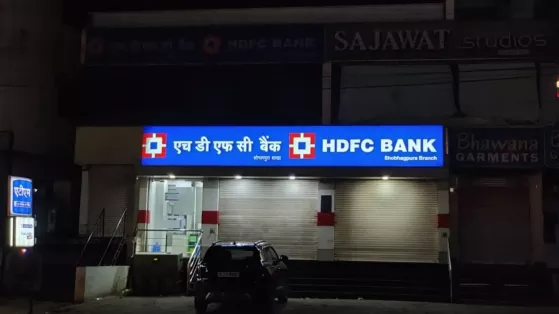
HDFC Bank Reports 5% Rise in Q1 Profit as Retail Lending and Lower Provisions Support Earnings
HDFC Bank reported a 5% year-on-year increase in net profit for the first quarter, driven by continued growth in its retail lending business and lower credit provisions. The performance highlights the resilience of India's largest private-sector lender as consumer credit demand remains healthy and asset quality continues to remain stable despite evolving macroeconomic conditions.
The quarterly results reflect the bank's focus on expanding its retail loan portfolio, maintaining disciplined risk management, and improving operational efficiency while navigating a competitive lending environment.
Retail Lending Continues to Drive Growth

Retail loans remained a key contributor to HDFC Bank's earnings during the quarter.
Major growth segments included:
- Home loans
- Personal loans
- Auto financing
- Credit cards
- Consumer durable financing
- Small business lending
- Secured retail credit
A diversified retail portfolio continues to support stable revenue generation and long-term business growth.
Lower Credit Provisions Improve Profitability
Reduced provisioning requirements contributed positively to quarterly earnings.
Key financial drivers included:
- Lower credit costs
- Stable asset quality
- Controlled non-performing assets
- Healthy recoveries
- Disciplined underwriting
- Improved risk management
- Efficient capital allocation
Lower provisioning allowed the bank to convert a larger share of operating income into net profit.
Deposit Growth Supports Lending Expansion
A strong deposit franchise continues to provide the funding required for loan growth.
Key strengths include:
- Growth in retail deposits
- Stable CASA balances
- Improved liquidity position
- Balanced funding mix
- Customer acquisition
- Expansion of digital banking
- Relationship banking initiatives
Deposit mobilisation remains a critical factor in sustaining long-term credit expansion.
Asset Quality Remains Stable
The bank continued to maintain a healthy credit profile during the quarter.
Important indicators include:
- Stable gross NPAs
- Controlled net NPAs
- Strong provision coverage
- Conservative lending practices
- Healthy recovery trends
- Diversified loan book
- Effective portfolio monitoring
Stable asset quality supports investor confidence and earnings visibility.
Banking Sector Implications
HDFC Bank's quarterly performance reflects broader trends within India's banking industry.
Potential implications include:
- Continued retail credit growth
- Healthy banking sector profitability
- Stable loan demand
- Improved balance sheet strength
- Expansion of digital financial services
- Strong consumer banking activity
- Increased competition in retail lending
The banking sector continues to benefit from resilient economic activity and steady consumer demand.
What Investors Should Watch
Market participants should monitor:
- Retail loan growth
- Deposit mobilisation
- Net interest margin (NIM)
- Asset quality indicators
- Credit cost trends
- CASA ratio performance
- Digital banking growth
- Management guidance for the coming quarters
These metrics will help evaluate the sustainability of HDFC Bank's earnings momentum.
Outlook
HDFC Bank is expected to remain well positioned for continued growth as retail lending, digital banking adoption, and stable credit quality support financial performance. The bank's strong balance sheet, diversified loan portfolio, and disciplined risk management strategy are likely to provide resilience amid changing interest rate and economic conditions.
Conclusion
HDFC Bank's 5% rise in first-quarter profit demonstrates the strength of its retail banking franchise and prudent credit management. With healthy loan demand, lower provisioning requirements, and stable asset quality, the bank continues to reinforce its leadership position in India's private banking sector while maintaining a positive long-term growth outlook.