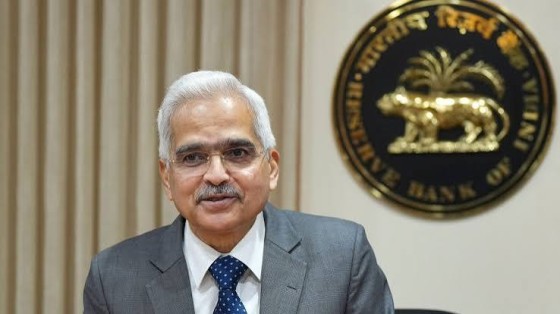
RBI Policy Outlook Dominates Financial Markets Ahead of August Meeting
Financial markets are increasingly focused on the Reserve Bank of India's (RBI) upcoming Monetary Policy Committee (MPC) meeting in August, with investors closely monitoring the central bank's assessment of inflation, economic growth, liquidity conditions and global risks.
While market participants broadly expect the RBI to keep the benchmark repo rate unchanged, policymakers' commentary on inflation, crude oil prices, currency stability and future monetary policy will likely influence bond yields, equity markets and the Indian rupee.
The August policy announcement comes at a time when India's economy continues to demonstrate resilience despite elevated global energy prices, geopolitical uncertainty and moderating economic growth.
Markets Expect the Repo Rate to Remain Unchanged

Economists and market participants largely expect the RBI to maintain the repo rate at its current level during the August policy meeting.
The central bank has adopted a cautious approach in recent months, balancing the need to support economic growth while ensuring inflation remains under control.
An unchanged policy rate would provide continuity for:
-
Home loans
-
Corporate borrowing
-
Vehicle finance
-
Business investment
-
Consumer credit
-
Government borrowing
-
Banking liquidity
-
Financial market stability
However, investors remain focused on the RBI's forward guidance rather than the rate decision alone.
Inflation Remains a Key Policy Consideration
Inflation continues to be one of the most important factors influencing monetary policy.
Although headline inflation remains within the RBI's tolerance band, higher food prices and rising global energy costs continue to create upside risks.
Policymakers will assess:
-
Food inflation
-
Fuel prices
-
Core inflation
-
Imported inflation
-
Inflation expectations
-
Rural demand
-
Supply-chain conditions
-
Commodity prices
Future policy decisions will depend on whether inflation remains consistent with the RBI's medium-term target.
Global Energy Prices Increase Uncertainty
International crude oil prices remain an important variable for India's economic outlook.
As one of the world's largest crude oil importers, India is particularly sensitive to sustained increases in global energy prices.
Higher oil prices can affect:
-
Fuel inflation
-
Transportation costs
-
Manufacturing expenses
-
Import bills
-
Fiscal management
-
Current account deficit
-
Corporate profitability
-
Consumer spending
The RBI is expected to carefully monitor developments in global energy markets while assessing domestic inflation trends.
Economic Growth Continues to Moderate
Although India remains among the fastest-growing major economies, recent indicators suggest that economic growth is moderating from earlier highs.
The RBI will evaluate:
-
GDP growth
-
Industrial production
-
Manufacturing activity
-
Services sector performance
-
Consumer demand
-
Private investment
-
Infrastructure spending
-
Employment trends
Maintaining an appropriate balance between growth and inflation remains central to monetary policy.
Liquidity Management Remains Important
Apart from interest rates, the RBI's liquidity management strategy continues to attract investor attention.
The central bank actively manages liquidity through various tools to ensure orderly financial market conditions.
Areas of focus include:
-
Banking system liquidity
-
Money market conditions
-
Government securities
-
Cash management
-
Banking reserves
-
Short-term interest rates
-
Financial stability
-
Credit availability
Efficient liquidity management helps maintain smooth functioning of financial markets.
Rupee Stability Will Be Closely Watched
The Indian rupee remains sensitive to global financial conditions.
Higher oil prices, movements in the U.S. dollar and foreign investment flows continue influencing the domestic currency.
The RBI is expected to monitor:
-
Foreign exchange reserves
-
Dollar demand
-
Capital flows
-
Currency volatility
-
Trade balance
-
External sector stability
-
Foreign investment
-
Import costs
Maintaining orderly currency movements remains an important part of overall financial stability.
Bond Markets Await Policy Signals
Government bond investors are closely watching the August meeting for guidance on future interest-rate expectations.
Bond yields are influenced by:
-
Inflation expectations
-
RBI policy stance
-
Government borrowing
-
Banking liquidity
-
Foreign investment
-
Global bond yields
-
Fiscal policy
-
Economic growth
Any change in the RBI's outlook could influence fixed-income markets over the coming months.
Banking Sector Focuses on Credit Growth
Commercial banks continue monitoring policy developments as credit demand remains healthy across several sectors.
Important lending segments include:
-
Retail loans
-
Housing finance
-
Infrastructure
-
MSME lending
-
Corporate credit
-
Vehicle finance
-
Agriculture
-
Working capital
Stable monetary policy supports planning for both lenders and borrowers.
Equity Markets Monitor Policy Commentary
Stock markets typically respond not only to the policy decision but also to the RBI's assessment of the broader economy.
Investors will analyse commentary regarding:
-
Growth outlook
-
Inflation trajectory
-
Banking sector
-
Corporate investment
-
Consumer demand
-
Liquidity
-
Financial stability
-
External risks
Sector-specific reactions could vary depending on the central bank's tone.
Global Central Bank Policies Remain Relevant
International monetary policy continues influencing domestic financial markets.
Investors remain focused on:
-
U.S. Federal Reserve
-
European Central Bank
-
Global interest rates
-
Dollar strength
-
International capital flows
-
Commodity prices
-
Global inflation
-
Economic growth
Global policy developments often influence foreign investment decisions affecting Indian financial markets.
Corporate Earnings Add Another Layer of Focus
The August policy meeting coincides with the ongoing corporate earnings season.
Strong earnings can support market sentiment even during periods of macroeconomic uncertainty.
Investors continue evaluating:
-
Revenue growth
-
Profitability
-
Management guidance
-
Capital expenditure
-
Margin trends
-
Consumer demand
-
Export performance
-
Investment plans
Together with RBI commentary, earnings will shape investor expectations for the coming quarters.
Risks to Monitor
Several factors could influence the RBI's policy outlook.
These include:
-
Higher crude oil prices
-
Food inflation
-
Geopolitical tensions
-
Rupee volatility
-
Global interest rates
-
Slower economic growth
-
Weak external demand
-
Supply-chain disruptions
-
Commodity inflation
-
Weather-related risks
The central bank is expected to remain data-dependent while responding to these evolving risks.
What Investors Should Watch
Key indicators after the August meeting include:
-
RBI policy statement
-
MPC voting pattern
-
Inflation projections
-
GDP growth forecasts
-
Liquidity guidance
-
Rupee movements
-
Government bond yields
-
Banking credit growth
-
Corporate earnings
-
Global commodity prices
These indicators will help investors assess the future direction of monetary policy.
Outlook
The RBI is widely expected to maintain a cautious policy approach while carefully balancing inflation management with support for economic growth.
Although interest rates are likely to remain unchanged, policymakers' assessment of inflation risks, crude oil prices, liquidity conditions and external developments will be closely analysed by financial markets.
The central bank's guidance could shape expectations for interest rates, borrowing costs and financial market performance through the remainder of FY27.
Conclusion
The RBI's August Monetary Policy Committee meeting has become the primary focus for financial markets as investors seek greater clarity on India's monetary policy outlook.
With inflation, global energy prices, liquidity conditions and economic growth all influencing policy decisions, the central bank's commentary may prove as important as the repo rate decision itself.
A balanced policy approach would support financial stability while allowing flexibility to respond to evolving domestic and international economic conditions.
The meeting is expected to play a significant role in shaping market sentiment across equities, bonds, currencies and the broader banking sector in the months ahead.