AI for Recruiters: How Artificial Intelligence Is Transforming Talent Acquisition
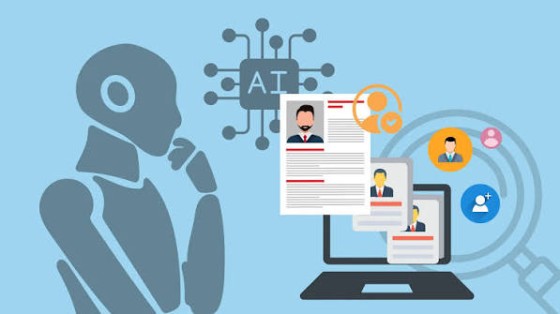
Artificial Intelligence (AI) is transforming recruitment by helping recruiters find qualified candidates, streamline hiring workflows, improve communication, and make more informed talent acquisition decisions. Rather than replacing recruiters, AI serves as an intelligent hiring assistant that automates repetitive tasks, analyzes candidate data, and allows recruiters to focus on relationship-building, interviews, and hiring strategy.
From resume screening and candidate sourcing to interview scheduling and recruitment analytics, AI is becoming an essential tool for modern hiring teams.
What Is AI in Recruitment?

AI in recruitment refers to the use of artificial intelligence technologies to support candidate sourcing, resume screening, interview coordination, talent analytics, communication, and recruitment workflow automation.
AI-powered recruiting tools analyze hiring data, identify candidate matches, automate administrative processes, and generate insights that help recruiters improve hiring efficiency.
How AI Helps Recruiters
AI supports recruiters throughout the hiring process.
1. Candidate Sourcing
AI can help identify potential candidates by analyzing:
- Professional profiles
- Skills
- Work experience
- Certifications
- Industry expertise
Recruiters can use these insights to discover qualified talent more efficiently.
2. Resume Screening
AI assists recruiters by:
- Reviewing resumes
- Identifying relevant qualifications
- Matching skills with job requirements
- Highlighting candidate experience
- Reducing manual screening time
Final hiring decisions should always involve human evaluation.
3. Interview Scheduling
AI automates scheduling by:
- Coordinating calendars
- Sending invitations
- Managing reminders
- Rescheduling interviews
- Confirming availability
This improves efficiency for recruiters and candidates.
4. Candidate Communication
AI helps recruiters draft:
- Outreach emails
- Interview invitations
- Follow-up messages
- Offer communication
- Status updates
Recruiters should personalize important communications to maintain a positive candidate experience.
5. Talent Analytics
AI analyzes recruitment data to identify:
- Hiring trends
- Candidate pipelines
- Time-to-hire
- Recruitment bottlenecks
- Source effectiveness
These insights support data-driven hiring strategies.
6. Job Description Creation
AI can assist in creating:
- Job descriptions
- Required qualifications
- Skill requirements
- Interview questions
- Employer branding content
Recruiters should review content for accuracy, inclusivity, and compliance.
7. Recruitment Reporting
AI can generate reports on:
- Hiring performance
- Recruitment metrics
- Candidate engagement
- Pipeline status
- Team productivity
These reports help recruitment leaders monitor performance and improve processes.
8. Administrative Automation
AI automates routine recruitment tasks such as:
- Document organization
- CRM updates
- Candidate tracking
- Meeting summaries
- Workflow reminders
- Recruitment dashboards
This allows recruiters to focus more on engaging with candidates and hiring managers.
Benefits of AI for Recruiters
AI provides several important advantages.
Faster Hiring
Automation reduces the time required for sourcing, screening, and scheduling.
Improved Productivity
Recruiters spend less time on administrative work and more time interacting with candidates.
Better Candidate Matching
AI helps identify applicants whose skills and experience align with job requirements.
Enhanced Candidate Experience
Faster communication and streamlined processes improve the hiring journey.
Data-Driven Recruitment
AI-generated insights support better workforce planning and recruitment decisions.
Challenges of AI in Recruitment
Despite its benefits, AI also presents important challenges.
Bias
AI systems can reflect biases present in historical hiring data. Organizations should regularly evaluate AI-assisted hiring processes to promote fairness and equal opportunity.
Data Privacy
Recruiters must protect candidate information and comply with applicable privacy regulations.
Human Judgment
Cultural fit, interpersonal skills, motivation, and hiring decisions require human evaluation and professional judgment.
Regulatory Compliance
Organizations should ensure AI-assisted hiring practices comply with employment laws and organizational policies.
Best Practices for Recruiters Using AI
Recruiters should follow these recommendations.
Use AI as a Recruitment Assistant
Allow AI to automate repetitive work while maintaining responsibility for hiring decisions.
Review AI Recommendations
Evaluate candidate matches, screening results, and hiring analytics before making decisions.
Promote Fair Hiring
Monitor AI systems for potential bias and ensure recruitment practices remain inclusive and equitable.
Protect Candidate Data
Use secure recruitment platforms and follow privacy regulations and company policies.
Build Strong Relationships
Continue focusing on communication, interviewing, employer branding, and candidate engagement.
Common Applications of AI in Recruitment
AI is increasingly used for:
- Candidate sourcing
- Resume screening
- Interview scheduling
- Talent analytics
- Recruitment reporting
- Candidate communication
- Job description creation
- Applicant tracking
- Recruitment automation
- Workforce planning
- Hiring dashboards
- Talent pipeline management
Future of AI in Recruitment
Artificial Intelligence is expected to become even more integrated into recruitment through predictive hiring analytics, intelligent talent matching, conversational recruiting assistants, automated skills assessment, personalized candidate experiences, and workforce planning tools. As AI technologies continue to evolve, recruiters will increasingly combine intelligent automation with human expertise to improve hiring efficiency while maintaining fairness, transparency, and meaningful candidate relationships.
Conclusion
Artificial Intelligence is transforming recruitment by helping recruiters source talent, screen resumes, automate scheduling, analyze hiring data, and improve recruitment workflows. Rather than replacing recruiters, AI serves as a valuable assistant that enhances productivity and supports more informed hiring decisions. When combined with human judgment, ethical hiring practices, and strong interpersonal skills, AI enables recruitment teams to attract, engage, and hire top talent more effectively.