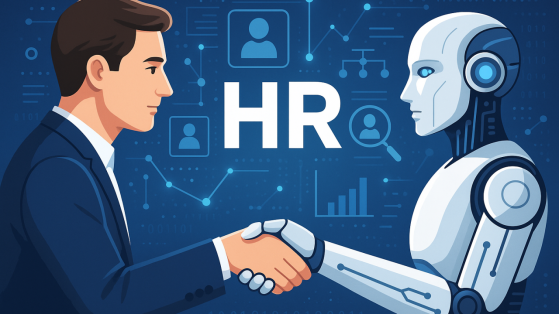
AI for HR Managers: How Artificial Intelligence Is Transforming Human Resources
Artificial Intelligence (AI) is transforming Human Resources (HR) by helping organizations recruit talent, streamline administrative tasks, improve employee experiences, and make more informed workforce decisions. Rather than replacing HR professionals, AI acts as an intelligent assistant that automates repetitive processes and provides valuable insights, allowing HR teams to focus on strategy, employee development, and organizational culture.
From resume screening and onboarding to workforce analytics and employee engagement, AI is becoming an increasingly important tool for modern HR departments.
What Is AI in Human Resources?

AI in Human Resources refers to the use of artificial intelligence technologies to support recruitment, employee management, workforce planning, performance analysis, learning and development, and HR operations.
AI-powered HR tools can analyze large volumes of workforce data, automate routine administrative tasks, identify patterns, and provide insights that help HR professionals make better-informed decisions.
How AI Helps HR Managers
AI supports HR professionals throughout the employee lifecycle.
1. Recruitment and Resume Screening
AI can assist recruiters by:
- Screening resumes
- Matching candidates with job requirements
- Identifying relevant skills
- Ranking applicants based on predefined criteria
- Reducing manual review time
Final hiring decisions should always involve human evaluation and interviews.
2. Job Description Creation
AI can help draft:
- Job descriptions
- Role responsibilities
- Required qualifications
- Interview questions
- Recruitment emails
HR teams should review AI-generated content to ensure accuracy and inclusivity.
3. Employee Onboarding
AI-powered assistants can help new employees by:
- Answering common questions
- Providing onboarding checklists
- Sharing company policies
- Explaining benefits
- Guiding initial training
This creates a smoother onboarding experience.
4. Employee Engagement
AI can analyze employee feedback, surveys, and engagement trends to help HR teams identify areas for improvement.
These insights can support initiatives related to workplace culture, communication, and employee satisfaction.
5. Performance Analysis
AI can assist managers by organizing performance data, tracking goals, and identifying trends over time.
Performance evaluations should continue to incorporate human judgment, context, and direct manager feedback.
6. Learning and Development
AI can recommend personalized learning resources based on:
- Job roles
- Skills
- Career goals
- Training history
- Organizational requirements
This supports continuous employee development.
7. Workforce Planning
AI helps HR departments analyze workforce data to support:
- Hiring forecasts
- Staffing requirements
- Skill gap identification
- Resource allocation
- Succession planning
These insights assist strategic workforce management.
8. HR Administration
AI automates routine administrative tasks such as:
- Scheduling interviews
- Responding to employee inquiries
- Organizing HR documents
- Drafting communications
- Generating reports
- Managing reminders
This allows HR professionals to spend more time supporting employees.
Benefits of AI for HR Managers
AI provides several significant advantages.
Faster Recruitment
AI reduces the time required to review applications and organize recruitment workflows.
Improved Productivity
Automation minimizes repetitive administrative work.
Better Decision Support
AI-generated workforce insights help HR teams identify trends and opportunities.
Enhanced Employee Experience
Personalized onboarding, learning recommendations, and faster responses improve employee satisfaction.
Scalable HR Operations
AI enables HR departments to manage growing workforces more efficiently.
Challenges of AI in Human Resources
Despite its benefits, AI also presents important challenges.
Bias and Fairness
AI systems can reflect biases present in training data or historical hiring patterns. Organizations should regularly evaluate AI-assisted hiring and HR processes for fairness and compliance.
Data Privacy
HR departments handle sensitive employee information and must protect it in accordance with applicable privacy laws and organizational policies.
Transparency
Organizations should clearly understand how AI tools generate recommendations and avoid relying on them as the sole basis for employment decisions.
Human Oversight
Important HR decisions—including hiring, promotions, disciplinary actions, and performance evaluations—should always include human judgment.
Best Practices for HR Managers Using AI
HR professionals should follow these recommendations.
Use AI as a Decision Support Tool
Allow AI to assist with analysis and administrative work while keeping people responsible for final HR decisions.
Review AI Recommendations
Evaluate AI-generated hiring matches, performance insights, and reports before acting on them.
Protect Employee Data
Use secure HR platforms and comply with relevant data protection regulations.
Promote Fairness
Regularly monitor AI systems for unintended bias and ensure equal employment opportunities.
Continue HR Training
Help HR teams understand AI capabilities, limitations, ethics, and responsible implementation.
Common Applications of AI in Human Resources
AI is increasingly used for:
- Resume screening
- Candidate matching
- Interview scheduling
- Employee onboarding
- HR chatbots
- Workforce analytics
- Performance management
- Learning recommendations
- Employee engagement analysis
- HR reporting
- Talent management
- Workforce planning
Future of AI in Human Resources
Artificial Intelligence is expected to play an even greater role in HR through predictive workforce analytics, intelligent talent management, personalized employee development, AI-powered career planning, advanced people analytics, and automated compliance monitoring. As organizations continue adopting AI, HR professionals will increasingly focus on strategic leadership, employee well-being, organizational culture, and ethical governance while using AI to improve efficiency and support informed decision-making.
Conclusion
Artificial Intelligence is transforming Human Resources by helping HR managers recruit talent, streamline administrative work, improve workforce planning, and enhance employee experiences. Rather than replacing HR professionals, AI serves as a valuable assistant that supports data-driven decision-making and operational efficiency. When implemented responsibly, with strong privacy protections and human oversight, AI can help organizations build more productive, engaged, and future-ready workforces.