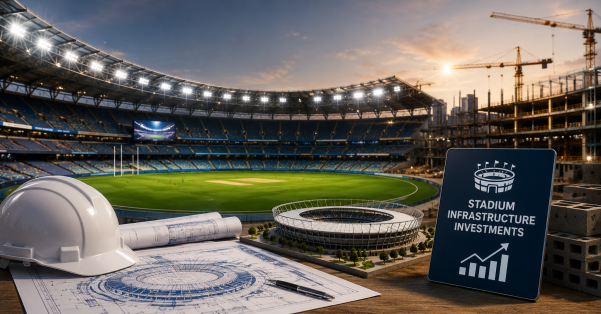
Stadium Infrastructure Investments: Modern Sports Venues, Smart Technology, and Future Growth
Stadium infrastructure investment has become a major driver of growth across the global sports industry as governments, sports organisations, private investors, and infrastructure developers continue investing in modern venues that deliver enhanced fan experiences, greater commercial opportunities, and long-term economic value. Today's stadiums are no longer designed solely for hosting sporting events—they have evolved into multi-purpose entertainment destinations capable of generating revenue throughout the year.
From international sporting events and professional leagues to concerts, exhibitions, conferences, and community programmes, modern stadiums support a wide range of activities that maximise asset utilisation and improve financial sustainability. At the same time, advances in digital technology, sustainability initiatives, and smart infrastructure are reshaping how stadiums are designed, operated, and monetised.
As global demand for world-class sporting facilities continues to increase, infrastructure investment is expected to remain one of the most important growth areas within the sports business ecosystem.
Stadium Development Becomes a Strategic Investment
Sports venues have become long-term infrastructure assets that contribute to economic development, tourism, employment, and urban regeneration. Governments and private investors increasingly view stadium construction and renovation as investments capable of generating commercial returns while supporting regional development.
Modern stadium projects commonly include:
-
Professional sports arenas
-
Cricket stadiums
-
Football stadiums
-
Multi-purpose sports complexes
-
Indoor arenas
-
Training facilities
-
Fan entertainment zones
-
Hospitality spaces
-
Retail and commercial areas
-
Mixed-use developments
This integrated approach allows stadium operators to generate income beyond match days through diversified business activities.
Key Drivers Behind Stadium Infrastructure Growth
Growing Sports Industry
The continued expansion of professional leagues, international tournaments, and sports participation has increased demand for high-quality venues capable of hosting large-scale events.
Rising Fan Expectations
Modern spectators expect premium seating, high-speed connectivity, digital ticketing, immersive entertainment, and convenient facilities. Stadium operators continue investing to improve customer satisfaction and encourage repeat attendance.
Urban Development Initiatives
Many cities integrate stadium projects into broader urban redevelopment plans that include transportation upgrades, hotels, retail districts, residential developments, and tourism infrastructure.
Major International Events
Global sporting competitions often encourage governments to modernise or construct new stadiums to meet international standards while creating long-term economic benefits.
Commercial Revenue Opportunities
Modern stadiums support multiple revenue sources through hospitality, naming rights, sponsorships, advertising, retail, parking, entertainment events, and venue rentals.
Major Areas of Infrastructure Investment
Stadium development involves significant investment across multiple business segments.
Key investment areas include:
-
Stadium construction
-
Renovation and expansion
-
Seating upgrades
-
Hospitality suites
-
Digital ticketing systems
-
Security infrastructure
-
Broadcast facilities
-
Training centres
-
Parking and transport connectivity
-
Commercial and retail spaces
These investments improve operational efficiency while creating additional opportunities for revenue generation.
Smart Stadium Technology
Technology has become central to modern stadium operations.
Operators increasingly invest in:
-
Artificial intelligence (AI)
-
Internet of Things (IoT)
-
High-speed Wi-Fi
-
5G connectivity
-
Smart security systems
-
Digital ticketing
-
Cashless payment solutions
-
Crowd management platforms
-
Mobile fan applications
-
Data analytics
These technologies improve operational efficiency, enhance safety, reduce waiting times, personalise fan experiences, and provide valuable business insights through real-time data.
Sustainability in Stadium Development
Environmental sustainability has become a key consideration for new infrastructure projects.
Common sustainability initiatives include:
-
Solar energy systems
-
Rainwater harvesting
-
Energy-efficient lighting
-
Waste recycling programmes
-
Sustainable construction materials
-
Water conservation technologies
-
Green building certifications
-
Electric vehicle charging stations
-
Smart energy management
-
Carbon reduction strategies
Sustainable infrastructure reduces long-term operating costs while supporting environmental objectives and enhancing corporate reputation.
Benefits of Stadium Infrastructure Investments
Investment in modern sports venues generates significant economic and commercial benefits.
Key advantages include:
-
Increased tourism
-
Higher employment opportunities
-
Stronger local economic activity
-
Greater sports participation
-
Enhanced fan experiences
-
Higher commercial revenues
-
Improved international event hosting
-
Increased sponsorship opportunities
-
Higher property development value
-
Long-term infrastructure growth
Modern stadiums also strengthen a city's global profile by attracting sporting events, entertainment programmes, and business conferences.
Challenges Facing Stadium Development
Despite strong growth prospects, stadium infrastructure projects face several challenges.
High Construction Costs
Large-scale venue development requires substantial capital investment, making project financing and cost management critical.
Long Investment Recovery Periods
Infrastructure projects often require many years to generate returns through commercial operations and event hosting.
Maintenance Expenses
Modern stadiums require continuous investment in technology upgrades, facility management, security, and maintenance.
Event Utilisation
Maximising venue usage beyond sporting events is essential to maintaining profitability throughout the year.
Regulatory and Environmental Compliance
Developers must comply with building regulations, environmental standards, accessibility requirements, and public safety guidelines.
Emerging Trends
Several developments are expected to shape future stadium investments.
Multi-Purpose Entertainment Venues
New stadiums are increasingly designed to host concerts, esports competitions, exhibitions, conferences, and community events in addition to sports.
AI-Powered Venue Management
Artificial intelligence is improving crowd forecasting, predictive maintenance, security monitoring, energy management, and customer service.
Connected Fan Experiences
Mobile applications, personalised content, digital navigation, loyalty programmes, and interactive entertainment are becoming standard features.
Premium Hospitality Growth
Luxury suites, VIP lounges, premium seating, exclusive memberships, and corporate hospitality continue generating high-value commercial revenue.
Mixed-Use Sports Districts
Developers increasingly combine stadiums with hotels, offices, retail centres, restaurants, residential projects, and public spaces to create year-round commercial ecosystems.
Future Outlook
Global investment in stadium infrastructure is expected to remain strong as sports organisations and governments continue modernising venues to support economic development and evolving fan expectations.
Key trends likely to shape future growth include:
-
Expansion of smart stadium technologies
-
Increased investment in sustainable infrastructure
-
AI-driven venue management
-
Growth of mixed-use sports districts
-
Enhanced digital fan engagement
-
Greater premium hospitality offerings
-
Expansion of multi-purpose entertainment venues
-
Improved transportation connectivity
-
Higher private sector participation
-
Continued investment in international sporting infrastructure
Organisations that successfully combine advanced technology, sustainable design, commercial diversification, and exceptional visitor experiences are expected to lead the next generation of stadium development worldwide.
Conclusion
Stadium infrastructure investment has become a cornerstone of the global sports economy, supporting professional sports, entertainment, tourism, and urban development. Modern venues are evolving into technologically advanced, environmentally sustainable, and commercially diversified destinations capable of generating revenue throughout the year.
Although financing, maintenance costs, and long-term profitability remain important challenges, the outlook for stadium infrastructure remains highly positive. Continued investment in smart technologies, sustainability, premium hospitality, and mixed-use developments is expected to strengthen the business value of sports venues while enhancing experiences for fans, event organisers, and commercial partners.