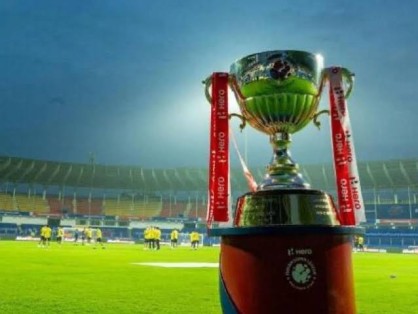
ISL Targets Broadcasting and Sponsorship Revival After Reliance Exit and World Cup Viewership Surge
The Indian Super League (ISL) is working to revive its broadcasting and sponsorship ecosystem following Reliance's exit from its commercial structure. League stakeholders are looking to leverage the growing popularity of football in India, supported by increased FIFA World Cup viewership and expanding digital sports consumption, to attract new media partners and commercial sponsors.
The transition marks an important phase for Indian football as the league seeks to strengthen its financial model, broaden audience reach, and secure long-term commercial sustainability through fresh partnerships.
New Broadcasting Partnership Becomes a Strategic Priority
Securing a broadcasting partner is expected to be one of the league's immediate priorities.
Key objectives include:
-
Nationwide television coverage
-
OTT streaming distribution
-
Multi-language broadcasts
-
Improved production quality
-
Expanded digital reach
-
Enhanced fan engagement
-
Stable long-term media revenue
A strong media partnership remains essential for increasing league visibility and commercial value.
Sponsorship Opportunities Gain Momentum
The league is also expected to pursue new sponsorship agreements across multiple categories.
Potential commercial opportunities include:
-
League title sponsorship
-
Club partnerships
-
Official brand collaborations
-
Digital advertising
-
Jersey sponsorships
-
Fan engagement campaigns
-
Technology partnerships
Growing audience interest could improve the attractiveness of the league to domestic and international brands.
Rising Football Viewership Supports Commercial Growth
Higher viewership for international football tournaments has increased confidence in the commercial potential of the sport.
Key market trends include:
-
Rising television audiences
-
Growth in OTT sports streaming
-
Increased youth engagement
-
Higher demand for live sports
-
Expansion of football fan communities
-
Greater regional participation
-
Growth in digital sports consumption
These trends provide a favourable environment for expanding football-related commercial activities in India.
Impact on Indian Football Clubs
The evolving commercial framework could create new opportunities for participating clubs.
Potential benefits include:
-
Higher sponsorship revenue
-
Improved commercial partnerships
-
Greater brand visibility
-
Enhanced fan engagement
-
Increased merchandise sales
-
Better financial sustainability
-
Stronger investment prospects
Greater commercial activity can support long-term club development and infrastructure investment.
Business Implications for the Sports Media Industry
The search for new commercial partners could reshape India's sports broadcasting landscape.
Potential industry outcomes include:
-
More competitive media rights bidding
-
Increased investment by broadcasters
-
Expansion of sports streaming platforms
-
Growth in digital advertising
-
Enhanced regional sports coverage
-
Innovative fan engagement models
-
Stronger sports content portfolios
Live football continues to represent a valuable content category for broadcasters seeking premium sports programming.
What Investors and Industry Stakeholders Should Watch
Market participants should monitor:
-
New broadcasting partnership announcements
-
Sponsorship agreements
-
Commercial revenue growth
-
Audience and viewership metrics
-
OTT streaming performance
-
Club financial performance
-
Advertising demand
-
Long-term investment trends in Indian football
These indicators will provide insight into the commercial recovery and future growth of the league.
Outlook
The Indian Super League's efforts to rebuild its broadcasting and sponsorship ecosystem come at a time when football viewership in India continues to expand. If the league successfully secures new media and commercial partners, it could strengthen revenue generation, improve club finances, and enhance its position within the country's rapidly growing sports industry.
Conclusion
The ISL's strategy to attract new broadcasting and sponsorship partners following Reliance's exit reflects a broader transformation in Indian football's commercial landscape. Backed by rising interest in global football and increasing digital sports consumption, the league is seeking to establish a stronger and more sustainable business model that supports long-term growth for clubs, broadcasters, and commercial stakeholders.