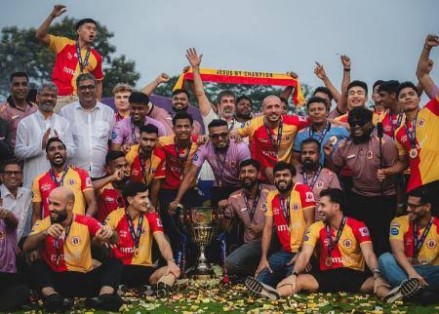
Indian Super League to Relaunch on September 4 with Clubs Controlling Commercial Operations
The Indian Super League (ISL) is scheduled to relaunch on September 4 under a revised commercial framework that grants clubs greater control over commercial operations. The new structure is expected to give participating clubs increased authority over sponsorship opportunities, commercial partnerships, branding initiatives, and other revenue-generating activities, marking a significant shift in the business model of India's premier football competition.
The move reflects a broader trend in global sports where clubs are seeking greater commercial autonomy to strengthen financial sustainability, attract investment, and build stronger connections with fans and corporate partners.
Clubs Gain Greater Commercial Independence

The revised commercial model gives clubs more flexibility in managing business opportunities.
Key areas of control include:
-
Sponsorship agreements
-
Commercial partnerships
-
Brand licensing
-
Marketing campaigns
-
Fan engagement initiatives
-
Digital commercial assets
-
Local business collaborations
Greater commercial autonomy enables clubs to tailor revenue strategies to their regional markets and supporter base.
New Revenue Opportunities for Clubs
The revised framework is expected to diversify club income sources.
Potential revenue drivers include:
-
Jersey sponsorships
-
Title partnerships
-
Digital advertising
-
Regional sponsorship deals
-
Merchandise licensing
-
Hospitality programmes
-
Fan membership initiatives
Diversified commercial income can strengthen club finances and reduce reliance on central league distributions.
Broadcasting and Media Strategy
The relaunch also comes as the league works to strengthen its media presence through broadcasting and digital distribution partnerships.
Key commercial priorities include:
-
Expanded television reach
-
OTT streaming partnerships
-
Multi-language broadcasts
-
Digital fan engagement
-
Premium sports content
-
Regional market expansion
-
Enhanced production quality
A strong media strategy remains essential for increasing audience reach and commercial value.
Business Implications for Indian Football
The new commercial structure could support the long-term development of the Indian football ecosystem.
Potential benefits include:
-
Improved financial sustainability
-
Increased private investment
-
Higher club valuations
-
Stronger commercial partnerships
-
Better infrastructure development
-
Enhanced youth football investment
-
Growth in professional club operations
A financially stronger league can improve competitiveness and attract greater domestic and international interest.
Opportunities for Sponsors and Media Companies
Brands and broadcasters could benefit from more flexible commercial partnerships.
Potential advantages include:
-
Customised sponsorship packages
-
Club-specific marketing campaigns
-
Increased fan engagement
-
Better regional targeting
-
Expanded digital advertising
-
Integrated media collaborations
-
Long-term commercial relationships
Direct engagement with clubs may create more effective and measurable marketing opportunities for corporate partners.
What Investors and Industry Stakeholders Should Watch
Market participants should monitor:
-
Sponsorship announcements
-
Broadcasting agreements
-
Commercial revenue growth
-
Fan engagement metrics
-
Club investment activity
-
Media rights developments
-
Attendance and viewership figures
-
Expansion of corporate partnerships
These indicators will provide insight into the commercial success of the league's revised operating model.
Outlook
The September 4 relaunch marks an important milestone in the evolution of the Indian Super League's commercial strategy. By empowering clubs with greater control over business operations, the league aims to create a more sustainable financial model that encourages investment, strengthens club brands, and enhances the overall commercial appeal of Indian football.
Conclusion
The Indian Super League's relaunch under a club-led commercial framework represents a significant transformation in the business of Indian football. Greater control over sponsorships and commercial operations has the potential to improve financial stability, increase investment opportunities, and strengthen the league's long-term position within India's growing sports industry.