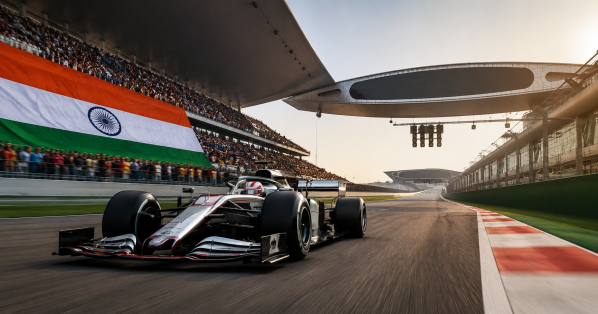
India Begins Process to Bring Formula One Back by 2028 Through a New Long-Term Motorsport Strategy
India has initiated efforts to bring Formula One (F1) racing back to the country by 2028, marking a significant step toward reviving one of the world's most prestigious sporting events. The move reflects India's growing ambition to strengthen its position in global sports, attract international sporting events, expand sports tourism, and create new business opportunities across the motorsport ecosystem.
The proposed return of Formula One comes as India continues investing in sports infrastructure and hosting major international competitions. Government agencies, sports authorities, event promoters, and industry stakeholders are exploring the feasibility of organizing a new Formula One Grand Prix, with discussions focusing on commercial viability, infrastructure readiness, and long-term economic benefits.
If successful, Formula One's return would represent a major milestone for India's sports and entertainment industries while enhancing the country's global sporting profile.
Why Formula One's Return Matters
Formula One is widely regarded as one of the world's biggest annual sporting championships, attracting hundreds of millions of viewers across television and digital platforms.
Hosting an F1 race offers benefits beyond motorsport, including:
-
International media exposure
-
Sports tourism growth
-
Hotel and hospitality demand
-
Aviation traffic
-
Corporate sponsorship opportunities
-
Infrastructure investment
-
Employment generation
-
Global brand visibility
-
Local business activity
-
Foreign investment interest
For India, the return of Formula One could complement broader efforts to position itself as a destination for world-class sporting events.
Building on India's Motorsport Legacy
India previously hosted the Indian Grand Prix, introducing Formula One to one of the world's fastest-growing automotive markets. Although the event was discontinued after a limited run, it demonstrated the country's ability to organize a globally recognized motorsport competition.
Since then, India's automotive industry has expanded significantly, while consumer interest in motorsport has grown through television broadcasting, digital streaming, esports, and social media engagement.
This evolving landscape provides a stronger commercial foundation for a potential return.
Economic Impact of Hosting Formula One
A Formula One Grand Prix generates economic activity across multiple industries.
Key sectors likely to benefit include:
-
Hospitality
-
Tourism
-
Airlines
-
Transport services
-
Restaurants
-
Event management
-
Broadcasting
-
Advertising
-
Retail
-
Automobile industry
Large sporting events also create temporary employment, stimulate local spending, and encourage investment in supporting infrastructure.
Sports Tourism Could Receive a Major Boost
Formula One races attract visitors from around the world, including fans, corporate guests, sponsors, media organizations, and racing teams.
A successful Indian Grand Prix could increase demand for:
-
Hotels
-
Travel packages
-
Local transportation
-
Luxury tourism
-
Entertainment venues
-
Food and beverage services
-
Cultural experiences
-
Shopping destinations
This would strengthen India's growing sports tourism industry while supporting local businesses.
Corporate Sponsorship Opportunities
Formula One is among the most commercially valuable sporting properties globally.
The return of F1 could create opportunities for:
-
Automotive companies
-
Technology firms
-
Financial institutions
-
Consumer brands
-
Telecommunications companies
-
Luxury brands
-
Energy companies
-
Airlines
-
Hospitality groups
-
Digital platforms
Corporate partnerships play a central role in financing and promoting Formula One events, making sponsorship an important driver of commercial success.
Infrastructure Development
Hosting a Formula One race requires world-class facilities that meet international safety and operational standards.
Potential investment areas include:
-
Racing circuit upgrades
-
Road connectivity
-
Public transport
-
Digital communications
-
Broadcasting infrastructure
-
Medical facilities
-
Security systems
-
Spectator amenities
-
Hospitality facilities
-
Sustainability initiatives
These improvements can deliver long-term benefits beyond the event itself.
India's Growing Motorsport Market
Interest in motorsport continues to rise among Indian audiences.
Several factors are contributing to this growth:
-
Increased digital streaming
-
Global television coverage
-
Social media engagement
-
Automotive enthusiast communities
-
Motorsport academies
-
Sim racing competitions
-
Youth participation
-
Brand marketing initiatives
A larger fan base improves the commercial attractiveness of hosting international racing events.
Technology Drives the Modern Formula One Experience
Formula One has become a showcase for advanced engineering and digital innovation.
Modern races rely on:
-
Artificial intelligence (AI)
-
Real-time telemetry
-
Data analytics
-
Hybrid powertrain technology
-
Advanced aerodynamics
-
Digital broadcasting
-
Fan engagement platforms
-
Cloud computing
-
Predictive maintenance
-
High-performance engineering
Hosting the championship would also highlight India's growing capabilities in technology, engineering, and innovation.
Challenges Ahead
While the outlook is promising, several challenges must be addressed before Formula One can return.
Commercial Viability
Organizers must ensure sustainable financial models through sponsorships, ticket sales, broadcasting, and partnerships.
Infrastructure Requirements
Facilities must comply with international standards for safety, operations, and spectator experience.
Long-Term Commitment
Successful Formula One events require multi-year planning and continued collaboration between public and private stakeholders.
Global Calendar Competition
India would need to secure a suitable place on Formula One's international race calendar.
Operational Planning
Large-scale logistics, transportation, security, and event management require detailed coordination.
Outlook
Industry observers believe India's growing economy, expanding sports market, and increasing international profile create favourable conditions for the return of Formula One.
Key drivers supporting the initiative include:
-
Rising motorsport popularity
-
Expanding sports infrastructure
-
Strong corporate interest
-
Growth in sports tourism
-
Digital fan engagement
-
International investment
-
Automotive industry expansion
-
Government support for global events
-
Improved event management capabilities
-
Long-term economic opportunities
If planning progresses successfully, Formula One could once again become one of India's biggest annual sporting events by 2028.
Conclusion
India's efforts to bring Formula One back by 2028 represent more than the return of an international racing championship. The initiative reflects the country's broader ambitions to strengthen its sports economy, attract global events, promote tourism, and encourage investment across multiple industries.
Although significant planning and collaboration will be required before the project becomes a reality, the potential economic, commercial, and branding benefits are substantial. If successfully implemented, Formula One's return could mark a new chapter for Indian motorsport while reinforcing India's growing role in the global sports and entertainment industry.