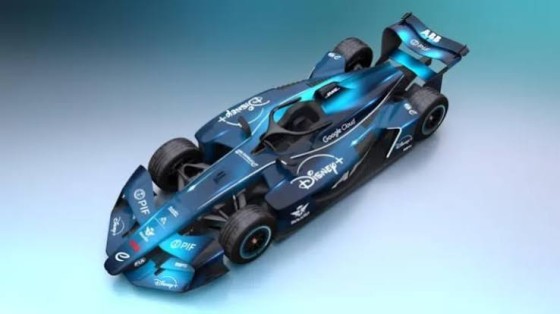
Disney’s Formula E Deal Expands Electric Motorsport Distribution Across 144 Global Markets
Formula E is preparing for one of the largest distribution expansions in its history after securing a multi-year agreement that will bring the all-electric racing championship to Disney+ across 144 global markets from the 2026/27 season.
The agreement gives Formula E a significantly broader and more unified digital distribution network at the same time that the championship prepares to introduce its next-generation GEN4 racing platform.
For Formula E, the deal addresses one of the most important challenges facing any developing international sports property: making live competition consistently accessible across different countries.
For Disney, Formula E adds recurring live motorsport programming to a streaming ecosystem increasingly capable of combining entertainment and sports.
Disney+ Becomes a Major Global Home for Formula E

Beginning with the 2026/27 season, Formula E races will become available through Disney+ across 144 markets.
The scale of the agreement gives the championship a single streaming destination across a large international footprint.
Previously, sports properties expanding internationally often needed separate broadcasting arrangements across individual countries.
Global streaming platforms can simplify that model.
One distribution relationship can now potentially provide access across dozens of territories simultaneously.
ESPN Strengthens Formula E Distribution in the United States
Formula E's US distribution will also include ESPN.
The arrangement gives the championship access to one of the world's most established sports-media brands while Disney+ provides a broader consumer streaming platform.
This combination can serve different audiences.
Existing motorsport followers may discover Formula E through ESPN's sports ecosystem, while entertainment subscribers can encounter the championship directly through Disney+.
That cross-platform exposure could become particularly valuable as Formula E seeks greater recognition in the United States.
Agreement Begins With the 2026/27 Season
The new distribution arrangement will begin with Formula E's 2026/27 championship.
The timing is strategically important because the season also marks the beginning of the championship's GEN4 era.
Formula E will therefore introduce a new technological generation alongside a substantially expanded global media platform.
This creates an opportunity to market the championship as entering a new phase rather than merely changing broadcasters.
Streaming Package Extends Beyond Live Races
The agreement is designed to provide more than individual race broadcasts.
Formula E viewers will be able to access wider race-weekend programming, including content surrounding competition.
That can include:
-
Practice
-
Qualifying
-
Live races
-
Pre-race programming
-
Post-race coverage
-
Highlights
-
Replays
-
Additional Formula E content
This broader package is important because modern sports audiences increasingly consume championships through multiple formats rather than watching only the main event.
On-Demand Viewing Makes Global Motorsport Easier to Follow
International motorsport faces a fundamental scheduling problem.
A race taking place at a convenient time for European viewers may occur early in the morning or late at night elsewhere.
Streaming reduces this limitation.
On-demand access allows viewers to watch races after the live event while still using the same platform.
That flexibility can be particularly important for Formula E because its calendar spans multiple continents.
Formula E Gains a More Consistent Global Distribution Structure
Sports leagues benefit when viewers know where to find their competitions.
Fragmented rights arrangements can create friction.
A fan may need one service for one market and a completely different broadcaster after moving or travelling elsewhere.
A broad Disney+ distribution footprint creates greater consistency.
That can help Formula E establish a clearer global media identity.
Distribution Is Critical for Building a Younger Championship
Formula E launched much later than traditional motorsport championships.
It does not possess generations of inherited fan loyalty comparable with older racing properties.
Distribution therefore becomes especially important.
A younger championship needs to make itself easy to discover.
Streaming platforms can support that objective because users can encounter sports through recommendations alongside their normal entertainment viewing.
Disney+ Can Expose Formula E to Non-Motorsport Audiences
Disney+ is not exclusively a sports platform.
Its subscribers consume entertainment ranging from films and television series to documentaries and major franchises.
That creates an interesting discovery opportunity.
A viewer does not necessarily need to arrive on Disney+ specifically intending to watch motorsport.
Platform recommendations and promotion can introduce Formula E to consumers who might never actively search for a racing championship.
This could expand the potential audience beyond traditional motorsport followers.
Electric Motorsport Has a Distinct Audience Proposition
Formula E competes in a crowded global sports market.
Its strongest differentiator is its connection to electric mobility and automotive technology.
The championship combines:
Motorsport + Electric vehicles + Battery technology + Energy management
That positioning gives Formula E relevance beyond conventional racing.
Technology enthusiasts and consumers interested in electric vehicles can potentially become part of its audience.
GEN4 Strengthens the Performance Proposition
Formula E's next-generation GEN4 car represents a substantial increase in performance.
The platform is designed to deliver maximum power of up to 600kW, equivalent to more than 800 horsepower.
Acceleration is expected to reach 0-60 mph in approximately 1.8 seconds.
Those specifications are important for Formula E's positioning.
The championship increasingly needs to demonstrate that electric racing is compelling because of performance rather than relying primarily on its sustainability credentials.
Faster Cars Could Improve Mainstream Appeal
Motorsport audiences respond to:
-
Speed
-
Competition
-
Driver skill
-
Technology
-
Strategy
GEN4 gives Formula E an opportunity to strengthen each element.
More powerful machinery can produce a more dramatic sporting product.
If the racing improves alongside global streaming availability, the championship could potentially convert more casual viewers into regular followers.
Disney Deal Arrives at a Strategic Moment
The combination of GEN4 and expanded distribution creates a coordinated growth opportunity.
Formula E can promote the 2026/27 season around three messages:
New generation of cars
Expanded racing calendar
New global streaming distribution
Major changes occurring simultaneously can generate more audience attention than isolated improvements introduced over several seasons.
Live Sports Are Becoming Central to Streaming Strategy
The agreement also reflects a wider transformation within the streaming industry.
Streaming services initially competed primarily through:
-
Films
-
Television series
-
Original programming
Live sport has become increasingly important.
Sports provide recurring events that audiences want to watch at specific times.
This creates engagement patterns fundamentally different from on-demand entertainment.
Sport Can Improve Subscriber Retention
A subscriber can join a streaming service for one television series, finish it and cancel.
Sports seasons operate differently.
Fans may return repeatedly over many months.
Formula E therefore provides Disney with recurring live programming throughout its championship calendar.
Regular events can contribute to subscriber engagement and potentially reduce churn.
Formula E Provides International Programming
Many sports properties remain concentrated within individual countries.
Formula E is inherently international.
Its calendar spans major cities and markets around the world.
That characteristic fits well with a global streaming platform.
Disney can promote the same championship across numerous territories while adapting presentation and marketing for local audiences.
City Racing Creates Visual Differentiation
Formula E has historically used street circuits in major urban locations.
This provides a visual identity distinct from championships primarily racing at permanent circuits.
Urban races can showcase host destinations while placing electric mobility within city environments.
For streaming audiences unfamiliar with Formula E, recognisable city backdrops can strengthen the entertainment experience.
Global Distribution Can Increase Sponsorship Value
Media reach directly influences sports sponsorship economics.
Brands generally pay more for partnerships when a championship reaches larger audiences across more markets.
Distribution across 144 markets can strengthen Formula E's proposition to multinational sponsors.
A company operating globally can potentially receive exposure across many of its major consumer markets through one sports partnership.
Sponsors Gain More Consistent International Activation
Global brands often face complexity when sports rights are fragmented across broadcasters.
Marketing campaigns may need to be redesigned for individual countries.
A broad streaming footprint can simplify this process.
Sponsors can potentially create coordinated campaigns around:
-
Race weekends
-
Drivers
-
Teams
-
Technology
-
Electric mobility
This could improve the commercial value of Formula E partnerships.
Automakers Could Benefit From Greater Visibility
Formula E has strategic importance for automotive manufacturers because it provides a competitive environment centred on electric powertrains.
Manufacturers can use participation to demonstrate capabilities involving:
-
Electric motors
-
Energy management
-
Battery technology
-
Regenerative braking
-
Vehicle software
Greater global distribution increases the potential marketing return from those investments.
Motorsport Remains an Automotive Technology Showcase
Motor racing has historically helped automobile manufacturers build performance credentials.
Formula E applies that principle to electrification.
The technological relationship between racing and production vehicles is not always direct, but motorsport can help brands demonstrate engineering capability and innovation.
As global electric-vehicle competition intensifies, that marketing value could increase.
US Market Represents Significant Growth Opportunity
The United States remains one of the world's most valuable sports markets.
Formula E has yet to reach the mainstream recognition enjoyed by several established American sports properties.
ESPN distribution can help improve visibility.
Greater US awareness could ultimately support:
-
Audience growth
-
Sponsorship
-
Race attendance
-
Commercial partnerships
Building a sustainable American fan base would represent an important step in Formula E's global development.
Formula E Competes With Established Motorsport Properties
Formula E operates alongside major racing championships including Formula One, NASCAR, IndyCar, MotoGP and endurance racing.
Each competes for limited consumer attention.
Distribution therefore matters greatly.
Even a compelling sporting product cannot build a large audience if potential viewers find it difficult to access.
The Disney agreement reduces that obstacle across a substantial number of markets.
Streaming Recommendations Can Improve Discovery
Traditional television requires viewers to know when and where a programme is being broadcast.
Streaming interfaces work differently.
Platforms can recommend content based on viewing behaviour.
Someone watching:
-
Sports documentaries
-
Automotive programmes
-
Technology content
-
Other live sports
could potentially be introduced to Formula E through the platform interface.
This creates additional discovery routes.
Highlights Can Reach Casual Fans
Not every viewer will watch complete races.
Shorter content can play an important role in audience development.
Highlights allow casual users to understand:
-
Race results
-
Major overtakes
-
Crashes
-
Championship developments
-
Driver rivalries
If those viewers become more interested, they can move toward full live coverage.
A comprehensive streaming relationship can support this conversion funnel.
Driver Personalities Become More Important
Successful sports properties are built around people as much as competition.
Fans follow drivers because of:
-
Personality
-
Rivalries
-
Career stories
-
Team relationships
Supporting programming can make these narratives easier for new viewers to understand.
Formula E therefore has an opportunity to use Disney's content ecosystem to build stronger recognition around its drivers.
Behind-the-Scenes Content Could Support Fan Growth
Documentary-style sports programming has demonstrated the ability to attract viewers who previously had little interest in a competition.
Formula E has several natural storytelling themes:
-
Technology development
-
Team competition
-
Driver pressure
-
Race strategy
-
Manufacturer rivalries
Expanded supporting content could turn these elements into stronger audience narratives.
Streaming Data Can Help Formula E Understand Fans
Digital distribution provides valuable behavioural information.
Formula E and its media partners can potentially understand:
-
Which races attract the most viewers
-
Which markets generate growth
-
How long viewers watch
-
Which supplementary content performs best
-
How audiences discover races
This information can improve future marketing and scheduling decisions.
Audience Data Can Strengthen Commercial Negotiations
Better measurement can also benefit sponsorship sales.
Sponsors increasingly demand detailed evidence of audience reach and engagement.
Streaming platforms can provide more granular information than conventional television measurement alone.
Improved data can therefore strengthen Formula E's ability to demonstrate commercial value.
Global Reach Could Increase Future Media-Rights Value
The financial terms of the Disney agreement have not been publicly detailed.
Its strategic value will ultimately depend on whether it expands Formula E's audience.
If viewership increases significantly across the 144-market footprint, the championship could enter future rights negotiations from a stronger position.
Audience growth can create a positive commercial cycle:
More viewers → Higher sponsorship value → Stronger teams → Better sporting product → More valuable media rights
Local Broadcasters Can Remain Important
A global streaming agreement does not eliminate the usefulness of local broadcasting.
Free-to-air and established sports networks can still provide mass reach in specific countries.
Formula E can therefore benefit from a hybrid strategy.
Disney+ provides consistent international availability while local broadcast partnerships can maximise awareness where appropriate.
Hybrid Distribution Can Balance Reach and Revenue
Sports organisations frequently need to balance two objectives:
Maximum audience
and
Maximum rights revenue.
Exclusive premium distribution can produce strong commercial returns but restrict reach.
Free broadcasting can maximise viewers but generate different economics.
Combining streaming with selected local broadcast arrangements can provide greater flexibility.
Formula E’s Expansion Reflects Wider Sports-Media Change
The deal is part of a larger shift across the global sports industry.
Streaming companies and technology platforms increasingly compete with traditional broadcasters for live rights.
The media-rights market is evolving from a television-centred model toward a multi-platform ecosystem.
For sports organisations, this creates additional potential buyers.
For consumers, it changes where live sport is watched.
Global Platforms Can Scale Emerging Sports Faster
Streaming technology is particularly valuable for younger sports properties.
Historically, establishing worldwide distribution could require dozens of separate national agreements.
A global platform can accelerate that process dramatically.
Formula E's availability across 144 markets demonstrates how streaming can help a championship expand internationally without building distribution country by country.
Electric Mobility Adds Long-Term Strategic Relevance
Formula E's future commercial potential is also linked to the broader automotive transition.
Electric vehicles continue to become an increasingly important part of global transportation.
A championship built specifically around electric powertrains therefore occupies a distinctive position.
If consumer interest in EV technology continues expanding, Formula E could benefit from broader cultural awareness of electrification.
Motorsport Can Make Technology Emotional
Automotive technology is often discussed through specifications and engineering.
Sport transforms those technologies into competition.
Battery management becomes race strategy.
Power efficiency affects performance.
Software decisions influence outcomes.
This can make electric-vehicle technology more engaging for mainstream audiences.
What the Sports Industry Should Watch
The Disney-Formula E partnership puts several indicators in focus:
-
Disney+ Formula E audiences
-
ESPN engagement
-
GEN4 reception
-
Growth across the 144 markets
-
US audience development
-
Sponsor demand
-
Manufacturer participation
-
Streaming engagement
-
Local broadcast partnerships
-
Future media-rights valuations
The key question is whether wider availability translates into regular viewing.
Outlook
Formula E enters the 2026/27 season with one of the strongest distribution opportunities in its history.
The championship will combine expanded global streaming availability with the launch of GEN4 machinery and a broad international calendar.
Disney+ provides Formula E with a platform capable of reaching viewers well beyond the traditional motorsport audience.
ESPN adds an important sports-distribution channel, particularly in the United States.
If Formula E can turn that reach into sustained fan engagement, the benefits could extend across media rights, sponsorship, manufacturer participation and team economics.
Conclusion
Disney's Formula E agreement significantly expands the global distribution potential of electric motorsport.
From the 2026/27 season, Formula E will become available through Disney+ across 144 global markets, supported by ESPN distribution in the United States and wider programming surrounding race weekends.
The partnership arrives as Formula E begins its GEN4 era, giving the championship an opportunity to combine technological advancement with substantially greater media reach.
For Disney, Formula E provides recurring live international sports programming with strong automotive and technology positioning.
For Formula E, the opportunity is larger.
A globally accessible streaming home can reduce distribution fragmentation, introduce electric racing to new audiences and strengthen the commercial proposition offered to sponsors, manufacturers and teams.
The next test will be whether access across 144 markets produces what every emerging global sports property ultimately needs: not simply viewers who can watch, but fans who choose to return for every race.