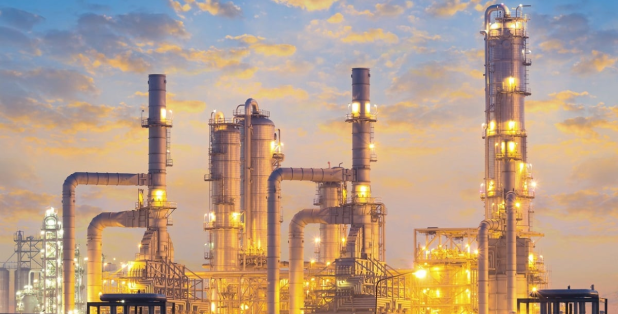
India's Refinery Expansion Strengthens the Vision of an Energy-Driven Economy
From greenfield mega-complexes to capacity upgrades, a wave of refinery investment is positioning India as a global refining and export hub — turning energy from a vulnerability into a driver of growth, jobs, and strategic influence.
By Naina, 4th July 2026
India's refinery expansion is strengthening its vision of an energy-driven economy, as a wave of investment transforms the country into a global refining powerhouse. With new greenfield complexes, capacity upgrades at existing plants, and a growing focus on petrochemicals, India is scaling up its ability to process crude oil into fuels and high-value products. This expansion aims to meet rising domestic demand, boost exports, reduce reliance on imported refined products and chemicals, and anchor industrial growth. As the world's fourth-largest refiner with ambitions to become a leading global hub, India is positioning its energy sector as a central engine of economic development, job creation, and strategic influence, reflecting a broader vision in which energy infrastructure powers national growth.
The push comes at a pivotal moment. Global energy markets are being reshaped by geopolitical tensions, shifting supply chains, and the energy transition, even as India's demand for both fuels and petrochemicals continues to climb. By expanding and modernising its refining base, India seeks to capture value, strengthen energy security, and build resilience against external shocks. The vision extends beyond simply meeting fuel needs, encompassing exports, downstream manufacturing, and a strategic role in global energy trade. Here is how India's refinery expansion is advancing the idea of an energy-driven economy, the opportunities it creates, and the challenges it must navigate.
The Expansion Drive
India is scaling up its refining capacity substantially. The country is expanding its refining capacity from current levels toward a significantly higher target over the coming years, aiming to cement its position as one of the world's largest refining nations. This involves both greenfield projects, including the recently inaugurated first integrated refinery-cum-petrochemical complex, and the upgrading and expansion of existing refineries across multiple states. State-run and private companies are together investing several lakh crore rupees in this build-out. The scale of the expansion reflects a deliberate strategy to ensure India can process enough crude to meet its own growing needs while also serving as a major exporter, turning refining into a pillar of its economic ambitions.
The Growth Engine
Refining has become a driver of economic growth. The sector generates substantial economic activity through investment, employment, and the value added by processing crude into higher-value products. Large refinery projects create thousands of direct and indirect jobs during construction and operation, and catalyse downstream industries and industrial clusters around them. The refining and petrochemical value chain supports vast segments of manufacturing, from plastics and textiles to pharmaceuticals and automotive components. By expanding this base, India strengthens a sector that contributes significantly to industrial output, exports, and government revenue, embedding energy at the heart of its growth model and reinforcing the vision of an economy powered by robust energy infrastructure.
The Export Ambition
A key element is India's ambition to be a global export hub. The country already exports a significant share of its refined products, including petrol, diesel, and aviation fuel, to markets across the world, and expanding capacity enhances this export potential. As some refineries in other regions face closure and global supply chains reconfigure, India sees an opportunity to capture a larger share of the international refined-products market. Refining exports earn valuable foreign exchange and strengthen India's position in global energy trade. This export orientation transforms refining from a purely domestic necessity into a strategic economic asset, allowing India to leverage its scale and cost advantages to become a preferred supplier of fuels and petrochemicals internationally.
The Energy Security Pillar
Refinery expansion reinforces energy security. By building sufficient domestic capacity to process crude into fuels and chemicals, India reduces its reliance on imported refined products and petrochemicals, insulating itself from external supply disruptions. Modern refineries capable of processing a range of crude grades, including cheaper heavier varieties, provide flexibility in sourcing and cushion against price volatility. The ability to redirect export volumes to the domestic market during emergencies adds a further layer of security. While India still imports most of its crude, a strong refining sector ensures that value addition, processing, and product supply remain firmly within domestic control, making refining a crucial component of the country's broader energy-security architecture.
The Petrochemical Pivot
The expansion increasingly emphasises petrochemicals. New refineries are being designed, and existing ones reconfigured, to convert a larger share of crude into petrochemicals rather than only fuels, capturing higher margins and meeting fast-growing demand. This pivot future-proofs refineries against an eventual decline in transport-fuel demand as electric vehicles and renewables spread, while addressing India's status as a net importer of chemicals. By integrating petrochemical production, the refinery expansion adds value, substitutes imports, and anchors downstream manufacturing. This chemical focus is central to the energy-driven economy vision, ensuring that India's refining investments remain productive and relevant well into a future of shifting energy consumption patterns.
The Investment Magnet
The refining push is attracting major investment. The scale of capital flowing into refining and petrochemicals, from both public-sector enterprises and private players, underscores confidence in the sector's long-term prospects. This investment spans new complexes, capacity upgrades, petrochemical integration, and increasingly green technologies like hydrogen and carbon capture. International interest in India's energy sector, including potential partnerships and equity participation, further strengthens the pipeline. Such investment not only builds capacity but also brings technology, expertise, and jobs. The sector's ability to draw large-scale, long-term capital reflects its strategic importance and reinforces the vision of energy infrastructure as a magnet for investment and a foundation for sustained economic growth.
The Transition Balance
The expansion is being balanced with sustainability goals. Even as India builds more refining capacity, it is incorporating cleaner technologies, including green hydrogen to replace conventional hydrogen in refineries, sustainable aviation fuel, biofuels, and renewable energy for operations. The aim is to expand energy capacity while gradually reducing the carbon footprint of the sector, aligning growth with climate commitments. This balance is delicate, as refining remains a fossil-fuel-based activity, but integrating sustainability measures helps future-proof the investments and manage transition risks. The approach reflects an attempt to reconcile the near-term imperative of energy and industrial growth with the longer-term shift toward a cleaner energy system.
The Challenges
Significant challenges accompany the expansion. Petrochemical margins have been weak amid global overcapacity, pressuring returns even as refining margins recover. The projects are highly capital-intensive with long gestation periods, and the sector remains exposed to volatile crude prices and geopolitical risks affecting supply and cost. The energy transition introduces uncertainty over long-term fuel demand, requiring careful strategic planning. Environmental concerns and the need to decarbonise add complexity and cost. Global competition from other refining hubs is intense. Navigating these challenges, from margin pressures and capital intensity to transition risks, will be essential to ensuring that the refinery expansion delivers on its promise of powering an energy-driven economy.
The Road Ahead
India's refinery expansion is a cornerstone of its vision for an energy-driven economy, transforming the sector into an engine of growth, exports, and strategic strength. The scale of investment, the pivot toward petrochemicals, and the ambition to become a global refining hub all point to energy infrastructure playing a central role in India's economic future. Realising this vision will depend on navigating weak chemical margins, heavy capital demands, and the uncertainties of the energy transition, while balancing growth with sustainability. If executed effectively, the expansion could strengthen India's energy security, boost industrial development and exports, and position the country as a major force in global energy, turning its vast energy needs into a driver of prosperity. This is analysis, not investment advice.
Frequently Asked Questions
How is India expanding its refining capacity?
India is scaling up refining capacity through new greenfield complexes, including its first integrated refinery-cum-petrochemical facility, and upgrades to existing refineries, with public and private companies investing several lakh crore rupees to meet rising demand and boost exports.
How does refinery expansion support an energy-driven economy?
It generates investment, jobs, and industrial activity, boosts exports and foreign-exchange earnings, strengthens energy security by reducing reliance on imported products, and anchors downstream manufacturing, embedding energy at the centre of economic growth.
Why is India focusing on refining exports?
India already exports significant refined products and sees an opportunity to capture a larger share of the global market as supply chains reconfigure. Exports earn foreign exchange and enhance India's role in global energy trade, making refining a strategic economic asset.
How does petrochemical integration fit in?
New and upgraded refineries are converting more crude into petrochemicals to capture higher margins, meet growing demand, substitute imports, and future-proof against a decline in fuel demand, making the expansion more valuable and resilient.
What are the main challenges?
Weak petrochemical margins from global overcapacity, high capital intensity and long gestation, volatile crude prices, energy-transition uncertainty, decarbonisation needs, and intense global competition all pose challenges to the refinery expansion.