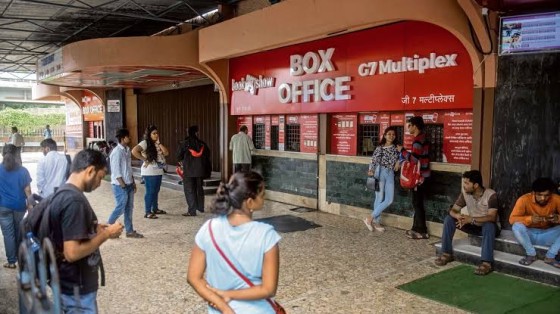
Hollywood-Led International Box Office in India Reaches ₹1,424 Crore in Seven Months and Moves Toward Record Year
Hollywood-led international cinema is heading toward its strongest-ever year at the Indian box office after international films released between January and July 2026 generated ₹1,424 crore, bringing the segment within striking distance of the record established in 2019.
According to Ormax Media's July 2026 India Box Office Report, the ₹1,424 crore figure represents the International films category, rather than Hollywood releases exclusively. Hollywood titles, however, have been the dominant force behind this year's surge.
The current total is just:
₹171 crore
below the existing annual record of:
₹1,595 crore
set in 2019.
With five months of the year still remaining after July, 2026 is now positioned to become the strongest year ever for international theatrical content in India if the current momentum continues.
The performance is being driven by a broad slate rather than one isolated blockbuster.
Major contributors have included:
Spider-Man: Brand New Day,
The Odyssey,
Michael,
Project Hail Mary,
Obsession,
Evil Dead Burn,
The Devil Wears Prada 2,
and:
The Mummy.
This diversity is commercially significant.
It suggests that Hollywood's Indian theatrical opportunity is expanding beyond superhero franchises into:
science fiction,
biographical films,
horror,
epics,
legacy franchises,
and original intellectual property.
₹1,424 Crore Represents International Films, Not Hollywood Alone

The distinction around the headline number is important.
Ormax Media classifies the ₹1,424 crore under:
International films.
That category includes films originating outside India rather than Hollywood alone.
However, the biggest contributors in 2026 have overwhelmingly been major Hollywood releases.
The broader business conclusion therefore remains clear:
international theatrical cinema, led by Hollywood, is experiencing an unusually strong year in India.
2026 Has Already Reached Nearly 90% of the 2019 Record
The 2019 annual record stands at:
₹1,595 crore.
By the end of July 2026, international films had already collected:
₹1,424 crore.
That means the segment has achieved approximately:
89% of the existing annual record
within only seven months.
The remaining gap is approximately:
₹171 crore.
At the current pace, surpassing 2019 appears increasingly likely.
2019 Was an Exceptional Benchmark
The 2019 comparison matters because that year represented a historical high for international cinema in India.
It was supported by major global releases including:
Avengers: Endgame
and other franchise blockbusters.
International films accounted for around:
15% of India's annual box office
that year, according to industry estimates cited by The Economic Times.
For years, that level remained difficult to repeat.
2026 is now positioned not only to match it but potentially exceed it substantially.
International Market Share Could Reach 20%–25%
Producers, distributors and film-industry executives expect international films could account for approximately:
20% to 25%
of India's total box-office collections in 2026.
If achieved, that would comfortably exceed the approximately:
15% historical high recorded in 2019.
This is potentially more important than the absolute ₹1,424 crore number.
It indicates that international cinema may be capturing a structurally larger share of Indian theatrical spending.
International Films Accounted for Around 17% Through July
India's total box office for films released between January and July 2026 reached approximately:
₹8,147 crore.
The international category contributed:
₹1,424 crore.
That implies a share of roughly:
17%
for international films through the first seven months.
The figure is already above the full-year historical peak share reported for 2019.
India’s Overall Box Office Is Also Growing
Hollywood's performance is not occurring against a collapsing domestic market.
The overall Indian theatrical industry is also expanding.
Ormax Media reported that the cumulative India box office for January-July 2026 reached:
₹8,147 crore,
which was approximately:
13% higher
than the same period in 2025.
That means international cinema is gaining while the wider theatrical market is also growing.
First-Half India Box Office Had Already Reached ₹6,665 Crore
Separate industry data cited in August showed that India's box office generated approximately:
₹6,665 crore
during January-June 2026.
That compared with around:
₹5,570 crore
during the same period a year earlier.
The gain exceeded 20%.
India's theatrical market was therefore already displaying strong momentum before July added another major boost.
July Became the Second-Best Month of 2026
Films released in July generated approximately:
₹1,582 crore
at the domestic Indian box office, making it the:
second-best month of 2026
at that point.
The month was driven by:
Spider-Man: Brand New Day,
Jana Nayagan,
The Odyssey,
and:
Dhamaal 4.
Together, the four titles generated approximately:
81% of July's total box office.
That illustrates how blockbuster films still dominate theatrical economics.
Spider-Man: Brand New Day Became a Major Driver
The standout international film of July was:
Spider-Man: Brand New Day.
Ormax Media estimated the film's India gross at approximately:
₹630 crore, including projected future collections.
It became the:
highest-grossing international film of all time in India
under Ormax's methodology, surpassing:
Avatar: The Way of Water.
This performance alone demonstrates how large the Indian theatrical market has become for major global franchises.
Spider-Man Contributed 40% of July Box Office
Ormax estimated that Spider-Man: Brand New Day accounted for approximately:
40% of the entire Indian box office during July.
That includes films across all languages and origins.
For a single Hollywood film to command such a large share of the monthly Indian market highlights the extent to which certain international franchises have become mainstream theatrical events.
India Is No Longer a Secondary Market for Major Franchises
Historically, Hollywood studios often viewed India as a smaller international territory relative to:
North America,
China,
Western Europe,
and Japan.
That hierarchy has changed significantly.
Large Hollywood films can now generate:
hundreds of crores
from Indian theatres.
For studios, India is becoming increasingly relevant to:
global opening weekends,
marketing strategy,
and international revenue.
The Odyssey Added Another Strong July Performance
Christopher Nolan's:
The Odyssey
was another major contributor to July.
Moneycontrol reported the film had generated around:
₹170 crore
in India by mid-August.
Its success is particularly notable because it demonstrates that India's appetite for Hollywood extends beyond comic-book franchises.
Nolan has developed a strong theatrical following in India.
That gives studios confidence that high-profile directors themselves can function as commercial brands.
Hollywood’s 2026 Success Is Spread Across Genres
The Economic Times highlighted that the strength of 2026 comes from genre diversity.
Biographical and epic films such as:
Michael
and:
The Odyssey
have performed alongside original properties including:
Project Hail Mary
and:
Obsession.
At the same time, franchises including:
Spider-Man: Brand New Day
and:
Evil Dead Burn
have continued to benefit from established audiences.
This broad mix reduces dependence on one genre.
Original Intellectual Property Performing Matters
For much of the last decade, Hollywood's international theatrical business has become heavily dependent on:
sequels,
superheroes,
reboots,
and established franchises.
A market that responds strongly to original or less-established properties is commercially valuable.
It gives studios more flexibility in:
greenlighting,
marketing,
and release planning.
If Indian audiences increasingly support a wider range of Hollywood genres, the addressable market for international distributors expands.
Project Hail Mary Showed Science Fiction Can Travel
Project Hail Mary emerged as one of the year's major global film successes and also performed strongly in India.
Science fiction can be particularly attractive in premium theatrical formats because audiences may value:
visual effects,
sound design,
and large screens.
That makes India increasingly relevant for films designed around:
IMAX,
premium large format,
and immersive cinema experiences.
Premium Screens Strengthen Hollywood Economics
Hollywood blockbusters often perform disproportionately well in:
IMAX,
4DX,
large-format auditoriums,
and premium multiplex screens.
Tickets for these formats are generally priced above ordinary admission.
That means a film can generate strong box-office value even without reaching the same ticket volumes as lower-priced domestic releases.
For multiplex operators, Hollywood therefore has an additional economic advantage:
premiumisation.
Multiplexes Are Major Beneficiaries
India's multiplex operators benefit when Hollywood delivers a consistent slate.
Successful international films can improve:
occupancy,
ticket pricing,
food-and-beverage sales,
and premium-screen utilisation.
A strong Hollywood year also fills gaps between large Indian releases.
That helps exhibitors maintain attendance across more weeks of the calendar.
Film Exhibition Depends on Release Consistency
Cinema economics are not driven only by annual box-office totals.
Operators need a steady release pipeline.
A theatre has fixed costs including:
rent,
staff,
utilities,
maintenance,
and technology.
A blockbuster every few months cannot support the entire business.
Hollywood contributes valuable scheduling depth by adding major releases alongside:
Hindi,
Tamil,
Telugu,
Malayalam,
Kannada,
and other Indian-language films.
International Films Can Reduce Dependence on Bollywood
The Indian exhibition business has changed substantially.
Multiplexes no longer depend only on mainstream Hindi films.
Revenue can now come from:
South Indian cinema,
Hollywood,
regional films,
anime,
concert films,
and event screenings.
Hollywood's growing share therefore strengthens the diversification of theatrical content.
Dubbing Has Expanded Hollywood’s Reach
One major reason international films have grown in India is:
local-language dubbing.
Hollywood blockbusters are increasingly released in:
Hindi,
Tamil,
Telugu,
and other languages.
This allows films to move beyond English-speaking metropolitan audiences.
A superhero or action franchise can now perform strongly in:
Tier-II
and:
Tier-III
markets.
That dramatically expands the available audience.
Localised Marketing Has Become More Sophisticated
Studios increasingly market Hollywood films in India as:
local theatrical events
rather than simple imports.
Campaigns may use:
regional-language trailers,
local influencers,
fan events,
Indian celebrities,
and market-specific promotions.
This can deepen audience engagement before release.
The strategy increasingly resembles the marketing of major domestic films.
Release Dates Are Becoming More Important
Global studios also pay closer attention to:
Indian festivals,
major domestic releases,
cricket events,
and holiday weekends.
Poor scheduling can reduce collections even for a strong film.
A major Hollywood release placed against several large Indian films may lose:
screens,
showtimes,
and marketing attention.
India's growing revenue importance therefore makes local release strategy more consequential.
Franchise Loyalty Remains Powerful
Although genre diversity is helping, franchises remain a major driver.
Spider-Man demonstrates the enduring value of:
recognisable characters,
long-term fandom,
and cinematic universes.
A franchise can reduce marketing risk because audiences already understand:
the characters,
world,
and expectations.
That often produces strong advance bookings.
But Franchise Recognition Alone Is Not Enough
The 2026 box office has also shown that large brands can underperform.
Moneycontrol noted that:
Supergirl
did not meet expectations during the first half despite its superhero credentials.
This reflects a broader theatrical trend.
Audiences may still respond to franchises, but brand recognition no longer guarantees success.
Quality and audience reception increasingly determine whether a film sustains after opening weekend.
Indian Audiences Are Becoming More Selective
The same pattern is visible across domestic cinema.
Large stars and budgets can generate awareness.
But films increasingly need:
positive reviews,
social-media discussion,
and word of mouth
to sustain theatrical collections.
This makes the market more competitive.
Hollywood benefits when films achieve strong audience approval, but weak releases can disappear rapidly.
Social Media Compresses the Box-Office Cycle
Audience reactions now spread almost immediately through:
YouTube,
Instagram,
X,
Reddit,
and messaging apps.
A film can develop strong momentum within hours.
It can also face negative sentiment equally quickly.
This reduces the ability of expensive marketing campaigns to sustain weak films for several weeks.
Content quality therefore has stronger financial consequences.
Theatrical Experience Is Becoming More Event-Oriented
Streaming has changed what audiences consider worth leaving home to watch.
Routine films can often be consumed later on OTT platforms.
Cinema audiences increasingly prioritise titles that feel like:
events.
Hollywood has several advantages here.
Large international productions often emphasise:
spectacle,
visual effects,
action,
and premium sound.
These characteristics are harder to replicate on smaller home screens.
Nolan Films Reinforce the Big-Screen Proposition
Christopher Nolan's films have become strongly associated with:
large-format theatrical viewing.
That makes titles such as The Odyssey particularly useful for cinema operators.
The audience is not simply buying access to the film.
It is buying a particular:
screening experience.
This distinction is central to the future of theatrical exhibition.
Hollywood and Streaming Are Not Necessarily Opposites
The rise of Netflix and other platforms initially created concern that international streaming content would reduce demand for Hollywood films in cinemas.
In practice, streaming may also have expanded familiarity with:
international actors,
genres,
and storytelling styles.
Indian audiences now consume global entertainment daily.
That can lower cultural barriers when major international films arrive in theatres.
Global Content Consumption Has Normalised
A younger Indian audience increasingly switches between:
Hindi films,
Korean dramas,
Hollywood franchises,
anime,
regional cinema,
and international streaming series.
Content origin matters less than it once did.
This creates a more competitive market.
But it also means international theatrical releases can attract audiences without being treated as niche foreign products.
English-Language Penetration Is Only Part of the Story
Hollywood's growth cannot be explained solely by rising English-language familiarity.
Dubbing and visual storytelling allow films to reach viewers who prefer regional languages.
Action,
science fiction,
horror,
and fantasy
can often travel across linguistic boundaries particularly well.
This explains why certain genres have become major international performers in India.
Horror Has Become a Reliable Cross-Border Genre
Titles such as:
Evil Dead Burn
demonstrate the continuing strength of horror.
Horror can work internationally because fear and suspense translate with relatively little cultural explanation.
The genre also tends to have loyal fan communities.
For studios, this can produce attractive economics compared with some higher-budget genres.
Legacy Franchises Can Find New Indian Audiences
The Devil Wears Prada 2
and:
The Mummy
also featured among the films cited as supporting 2026's strong performance.
The commercial appeal of legacy properties reflects Hollywood's ability to reactivate established brands for new generations.
India's younger theatrical audience may encounter these franchises differently from viewers who followed the originals during their first releases.
A Record Year Would Strengthen Studio Investment in India
If 2026 finishes with a clear new record, global studios may increase:
marketing budgets,
local partnerships,
premiere activity,
and regional-language distribution
in India.
Larger addressable revenue makes more localised investment economically rational.
Studios allocate marketing resources toward markets capable of producing meaningful returns.
India Could Become More Important to Global Greenlighting
Box-office markets influence which kinds of movies studios finance.
If India consistently generates substantial revenue for:
science fiction,
action,
horror,
and franchise films,
those international earnings can contribute to global production decisions.
India may not determine a movie's greenlight alone.
But its weight within international revenue can increasingly influence the economics.
Overall Indian Box Office Growth Improves the Opportunity
The attractiveness of India is also supported by the wider market.
January-July box-office revenue reached:
₹8,147 crore
and grew:
13% year-on-year.
A growing total market gives both domestic and international films more room to expand.
The sector does not have to operate as a simple zero-sum contest between Hollywood and Indian cinema.
Hollywood Can Grow Alongside Indian Films
July itself illustrates this.
Spider-Man: Brand New Day and The Odyssey performed strongly.
At the same time:
Jana Nayagan
and:
Dhamaal 4
were major contributors to the month's box office.
Audiences can support multiple industries when the release slate is compelling.
The competition is increasingly:
film versus film
rather than:
Hollywood versus Bollywood.
Strong Slate Density Is Valuable for Cinema Chains
A healthy exhibition market needs several successful films running simultaneously.
Different audiences can then choose:
Hollywood spectacle,
Hindi comedy,
Tamil action,
or regional drama.
That gives multiplexes more flexibility in allocating screens and showtimes.
The result can be higher overall utilisation.
Box-Office Records Still Depend on Ticket Prices
Revenue growth should also be interpreted carefully.
Higher box-office collections can reflect:
more viewers,
higher ticket prices,
premium formats,
or a combination of all three.
Globally, theatrical revenues have sometimes increased even when ticket volumes remain below earlier peaks.
Revenue is therefore only one measure of cinema-market health.
Premiumisation Can Raise Collections Without Equivalent Footfall Growth
International films often benefit from higher average ticket prices because audiences choose:
IMAX,
3D,
4DX,
and premium auditoriums.
That can push gross collections upward disproportionately.
For exhibitors, this is still commercially valuable.
But analysts should distinguish between:
box-office revenue
and:
admissions.
Cinema Chains Also Earn From Food and Beverage
Ticket sales are only part of theatrical economics.
A customer attending a three-hour blockbuster may also purchase:
popcorn,
drinks,
and meals.
High-profile international releases can therefore generate additional per-patron revenue.
The value of a Hollywood blockbuster to exhibitors can exceed its direct share of ticket collections.
Strong Hollywood Performance Can Help Mall Footfall
Multiplexes are also major anchors within Indian shopping malls.
High-demand films bring consumers into retail complexes.
That can benefit:
restaurants,
retailers,
and entertainment operators.
A strong cinema slate therefore has broader implications for organised retail footfall.
2026 Could Mark a Structural Break
If international films simply surpass 2019 by a small margin, the result may partly reflect a strong slate.
But if market share rises toward:
20%–25%,
the change would look more structural.
It would suggest Indian audiences have permanently allocated a larger share of theatrical spending to international content.
That would affect:
studio strategy,
cinema programming,
and distribution economics.
The Remaining ₹171 Crore Is a Relatively Small Gap
With ₹1,424 crore already collected through July, only:
₹171 crore
is required to equal the existing ₹1,595 crore record.
That gap represents roughly:
12% of the seven-month international total.
Given the remaining release calendar, the industry expects the record to be exceeded rather than merely approached.
Full-Year Performance Still Depends on the Release Slate
A record is highly likely based on the current figures, but the final level remains uncertain.
Box-office revenue can be volatile.
A few large films can dramatically change annual totals.
Likewise, disappointing releases can weaken expected momentum.
The remaining months of 2026 therefore determine how far above the old record the market finishes.
Industry Has Become More Hit-Driven
The dependence on a small number of large films remains an important risk.
In July, four films accounted for:
81% of the total box office.
That concentration means theatrical performance can fluctuate dramatically based on a limited number of releases.
For cinema operators, the best environment is not merely a few giant blockbusters but a consistent pipeline of successful mid-sized titles as well.
Hollywood Faces the Same Concentration Problem Globally
The issue is not unique to India.
The global film industry increasingly depends on a relatively small number of major releases.
A strong blockbuster can transform a quarter.
Several failures can create a severe revenue gap.
This makes slate quality and release timing increasingly important for studios and exhibitors alike.
India’s Scale Makes It Harder to Ignore
Even with those risks, India's strategic importance is rising.
The country combines:
a population exceeding one billion,
a young entertainment audience,
rapid premiumisation,
large metropolitan markets,
and growing access to modern multiplex infrastructure.
For Hollywood studios, converting even a small percentage of that audience into regular theatrical customers creates significant revenue potential.
2026 Could Redefine Hollywood’s India Ceiling
For years, ₹1,595 crore represented the benchmark for how large international theatrical cinema could become in India.
2026 is challenging that assumption.
At ₹1,424 crore after seven months, the market is already close to the old ceiling.
If full-year collections move materially beyond ₹1,595 crore, studios may begin to treat the earlier record not as an exceptional peak but as a level the market can routinely surpass during strong release years.
Conclusion
Hollywood-led international cinema is on course for a potentially historic year in India after international films generated ₹1,424 crore from January through July 2026, according to Ormax Media.
That total is only ₹171 crore below the ₹1,595 crore annual record established in 2019, meaning 2026 has already reached nearly 90% of the previous peak with five months still remaining after July.
The performance has been driven by a notably broad slate.
Spider-Man: Brand New Day became the highest-grossing international film in India under Ormax's methodology, while films including The Odyssey, Michael, Project Hail Mary, Obsession, Evil Dead Burn, The Devil Wears Prada 2 and The Mummy helped broaden the growth beyond a single franchise or genre.
The wider Indian theatrical market is also expanding.
Films released between January and July generated approximately ₹8,147 crore, up 13% year-on-year, with international cinema accounting for roughly 17% of the total.
Industry executives believe the full-year international share could ultimately reach 20%–25%, surpassing the previous high of around 15% recorded in 2019.
For Hollywood studios, that would confirm India as an increasingly important global theatrical territory.
For Indian multiplex operators, it would provide a stronger stream of premium-priced content across the annual release calendar.
And for the wider entertainment industry, the trend highlights a deeper shift in audience behaviour:
Indian moviegoers are increasingly choosing films based on spectacle, storytelling, franchise affinity and theatrical experience rather than simply where a film was produced.
If that behaviour continues, 2026 may be remembered not only as the year international cinema broke its India box-office record, but as the year its place in the country's theatrical market became structurally larger.