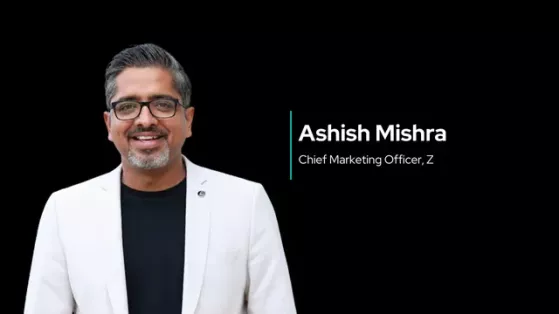
Zee Entertainment Appoints Ashish Mishra as Chief Marketing Officer
Zee Entertainment Enterprises has appointed Ashish Mishra as its Chief Marketing Officer, strengthening its senior leadership team as the company seeks to sharpen brand strategy and deepen consumer engagement across its television and digital entertainment businesses.
The appointment, announced on August 17, 2026, comes as Zee operates in an increasingly competitive media environment shaped by streaming, changing television-viewing habits, fragmented audience attention and growing competition for advertising expenditure.
Mishra’s role places marketing at the centre of Zee’s efforts to connect its content portfolio with audiences across multiple platforms while building stronger brand relationships in an entertainment market where distribution alone is no longer sufficient.
Zee Entertainment Strengthens Marketing Leadership

The appointment gives Zee dedicated senior leadership focused on the company’s marketing capabilities and consumer-facing strategy.
As Chief Marketing Officer, Mishra is expected to play an important role in strengthening integrated marketing across the company’s businesses.
The mandate becomes particularly relevant as broadcasters increasingly operate across traditional television, connected devices, streaming platforms and social channels.
A marketing strategy that previously centred primarily on promoting television programmes now needs to manage a much more complicated consumer journey.
Consumer Engagement Becomes Strategic Priority
Entertainment companies compete for one of the world's scarcest resources: audience attention.
Consumers can choose between television channels, streaming platforms, YouTube, social media, gaming and other forms of digital entertainment.
This abundance changes how media companies need to operate.
Content Discovery Is Increasingly Fragmented
A viewer may discover a television programme through an Instagram clip.
They may watch highlights on YouTube.
They may later stream episodes digitally.
Another viewer may encounter the same property through conventional television promotion.
Media companies therefore need coordinated marketing capable of reaching audiences across several touchpoints.
A strong central marketing function can help connect these channels.
Zee Operates Across Television and Digital Entertainment
Zee Entertainment has built one of India's largest broadcasting portfolios while also expanding its digital presence through ZEE5.
The two businesses operate within different consumer environments.
Television Remains Major Audience Platform
Linear television continues to reach large numbers of Indian households.
Entertainment channels provide daily programming across several languages and genres.
Television remains particularly important for:
family entertainment,
regional programming,
reality shows,
films,
and live events.
However, viewers increasingly supplement television with digital platforms rather than relying exclusively on one medium.
Streaming Creates New Engagement Model
ZEE5 allows consumers to access content on demand.
This changes the relationship between audience and programming.
A television viewer watches according to a schedule.
A streaming subscriber chooses when and where to watch.
Marketing therefore needs to support both behavioural models.
Integrated Marketing Can Connect Broadcast and Digital
Zee’s television and streaming businesses can reinforce one another when marketing is coordinated effectively.
Television Can Promote Streaming Content
A popular television programme can introduce audiences to digital extensions or related content available on ZEE5.
Likewise, a streaming platform can expose users to programmes originating from Zee’s television network.
Cross-promotion can reduce the cost of acquiring audiences because the company already owns large distribution platforms.
Digital Data Can Inform Broadcast Marketing
Streaming provides significantly more detailed information about viewer behaviour than traditional linear television.
Platforms can understand:
what users watch,
when they stop watching,
which genres they prefer,
and what they search for.
These insights can help marketers understand broader audience preferences.
Used appropriately, data can strengthen campaign planning across the wider Zee portfolio.
Regional Languages Remain Major Zee Advantage
India’s entertainment market is not a single-language market.
Consumers watch content across Hindi and numerous regional languages.
Localisation Matters for Marketing
A campaign that works for a Hindi entertainment programme may not automatically work for Bengali, Marathi, Tamil or Telugu audiences.
Cultural references differ.
Celebrity preferences vary.
Festival calendars can also influence viewing.
Marketing leadership therefore needs to combine a national brand strategy with strong regional execution.
Regional Content Can Strengthen Audience Loyalty
Local-language channels can create particularly strong relationships with viewers.
Audiences often identify closely with:
regional actors,
local stories,
culture,
and language.
This provides Zee with an opportunity to build loyalty difficult for purely global platforms to replicate.
The challenge is maintaining relevance as digital competitors invest more aggressively in regional programming.
Streaming Competition Remains Intense
India has become one of the world's most competitive online entertainment markets.
Consumers can choose from numerous local and international platforms.
Platforms Compete on Content and Price
Streaming services need attractive programming.
They also need suitable pricing.
Indian consumers are highly value conscious.
This has encouraged advertising-supported and hybrid subscription models.
A strong marketing strategy needs to communicate clearly why users should choose or continue using a platform.
Simply launching more shows does not guarantee subscriber growth.
Retention Becomes as Important as Acquisition
Acquiring a streaming subscriber can be expensive.
Digital advertising, promotions and content investment all contribute to customer-acquisition costs.
If users cancel quickly, the economics become unattractive.
Marketing Must Extend Beyond Sign-Up
A successful streaming strategy encourages consumers to return repeatedly.
Personalised recommendations can help.
Regular release schedules matter.
Communication around upcoming programmes can also increase engagement.
Marketing therefore becomes part of retention rather than merely promotion.
ZEE5 Can Use Content Franchises Across Formats
Strong entertainment properties can create value beyond one programme.
Successful Shows Build Recognisable Intellectual Property
Characters and storylines can extend through:
new seasons,
spin-offs,
social media,
short-form video,
and promotional partnerships.
This creates a larger commercial ecosystem around individual franchises.
Marketing leadership plays an important role in identifying which properties deserve sustained investment.
Advertising Revenue Remains Important to Zee
Media companies need audiences because audiences ultimately support monetisation.
Television advertising remains an important revenue source.
Digital platforms also increasingly depend on advertising.
Advertisers Want Measurable Reach
Brands need to understand who sees their campaigns.
Digital platforms can provide detailed targeting and measurement.
Traditional television offers broad scale.
Media companies capable of combining the two can provide advertisers with a more complete proposition.
Integrated marketing can strengthen Zee's own consumer brands while also helping create attractive environments for advertisers.
Audience Scale Influences Advertising Economics
Advertising revenue depends partly on how many people consume content.
Popular programmes can command stronger commercial interest.
This creates a direct connection between marketing and revenue.
A successful promotional campaign can increase viewership.
Higher viewership can strengthen advertising demand.
Marketing therefore has measurable financial consequences beyond brand awareness.
Connected Television Changes Entertainment Distribution
Smart televisions increasingly combine linear broadcasting and internet applications on the same screen.
Viewer Distinction Between TV and Streaming Is Weakening
A household may switch between a Zee television channel and ZEE5 without changing devices.
This makes the old distinction between broadcast and digital increasingly artificial from the consumer's perspective.
Media companies need to think about overall screen time rather than individual distribution formats.
Marketing strategies also need to adapt accordingly.
Content Promotion Becomes Data-Driven
Entertainment companies can use audience data to improve campaign efficiency.
Different Viewers Respond to Different Messages
A viewer interested in sports may not respond to the same campaign as someone who watches family dramas.
Digital platforms allow more precise targeting.
Companies can promote specific programmes to users most likely to watch them.
This can reduce wasted marketing expenditure.
AI can make this segmentation even more sophisticated.
Artificial Intelligence Could Reshape Media Marketing
AI is increasingly entering entertainment-company workflows.
Campaign Production Can Become Faster
Marketing teams need substantial volumes of promotional material.
These can include:
trailers,
social posts,
display advertisements,
email campaigns,
and short videos.
Generative AI can accelerate early-stage production and create variations for different audiences.
Human oversight remains important because entertainment marketing needs creativity and brand consistency.
AI Can Improve Audience Recommendations
Recommendation engines are central to streaming services.
They influence what users watch next.
Better Discovery Can Increase Engagement
A large content library is valuable only if users can find relevant programmes.
AI can analyse viewing behaviour and suggest suitable content.
This effectively turns personalisation into a marketing channel operating inside the platform itself.
Higher engagement can support both advertising and subscription economics.
Social Media Is Critical to Entertainment Marketing
Modern entertainment launches increasingly depend on social conversation.
Short Clips Can Generate Large Awareness
A dramatic scene or song can spread rapidly through Instagram, YouTube and other platforms.
Viewers who have never watched the original programme may discover it through a viral clip.
This creates additional audience-acquisition opportunities.
Marketing teams therefore need to design content capable of travelling beyond Zee's owned platforms.
Creator Partnerships Can Extend Reach
Influencers and digital creators possess their own audiences.
Media companies can work with creators to promote:
shows,
films,
characters,
and platform launches.
These partnerships can be particularly effective when targeting younger consumers.
However, authenticity matters.
Promotional content that appears excessively scripted can generate weaker engagement.
Entertainment Marketing Is Becoming Continuous
Traditional television campaigns were often concentrated around programme launches.
Streaming changes that model.
Content Libraries Need Ongoing Promotion
A programme released months earlier can suddenly become popular.
A new season can revive older episodes.
Recommendation algorithms can also resurface catalogue content.
Marketing teams therefore need to manage both new releases and existing libraries.
The value of content can extend much longer than its original broadcast window.
Brand Zee Needs Distinct Identity
Large media companies operate many individual entertainment brands.
A corporate marketing strategy also needs to define what the parent brand represents.
Trust Can Transfer Across Properties
A consumer who associates Zee with strong entertainment may be more willing to try a new Zee channel or digital product.
This reduces customer-acquisition friction.
However, umbrella brands need consistency.
Poor experiences in one part of the ecosystem can influence perceptions elsewhere.
Content Quality Remains Most Important Marketing Asset
Marketing can generate initial interest.
It cannot indefinitely compensate for weak programming.
Word of Mouth Determines Long-Term Success
Audiences discuss shows.
They review films.
They recommend content.
If viewers enjoy a programme, organic promotion can become more powerful than paid advertising.
Marketing therefore works best when amplification is built around genuinely compelling content.
The relationship between creative teams and marketing becomes essential.
Strong Launch Campaigns Can Build Momentum
The first few days around a release can be particularly important.
Early Engagement Influences Algorithms and Conversation
Strong initial viewing can place a programme inside recommendation systems and social discussion.
That can create a self-reinforcing cycle.
Marketing teams therefore often concentrate resources around launch windows.
The challenge is identifying which titles deserve the largest investment.
Data Can Improve Marketing Allocation
Not every programme should receive identical promotional spending.
Return on Marketing Investment Matters
A company can analyse:
viewer acquisition,
engagement,
subscriptions,
advertising revenue,
and retention
generated by a campaign.
This allows marketing budgets to be allocated more efficiently.
The CMO role increasingly combines traditional brand-building skills with financial and analytical discipline.
Ashish Mishra Joins During Wider Leadership Evolution
Mishra's appointment follows other changes across Zee's commercial leadership as the company continues refining its organisational structure.
The company appointed Laxmi Shetty as Head of Advertisement Revenue across Broadcast and Digital in 2025.
The combination of specialised leadership across marketing and advertising revenue underlines the importance of integrating audience development with monetisation.
Zee Faces Strong Domestic Competition
Indian entertainment includes powerful broadcasters and digital platforms.
Competitors Operate Across Multiple Formats
Large media groups increasingly combine:
television,
streaming,
films,
sports,
and digital distribution.
This creates broad ecosystems competing for audience time.
Zee therefore needs to differentiate not simply against individual channels but against entire entertainment portfolios.
Global Platforms Add Another Layer
Netflix, Amazon Prime Video and other international companies continue investing in Indian content.
Local Content Remains Competitive Advantage
Global technology platforms bring large budgets and sophisticated technology.
Indian broadcasters possess decades of experience understanding local audiences.
Zee's strength lies partly in its regional programming and established distribution.
Effective marketing can amplify these advantages.
Sports Can Influence Entertainment Economics
Live sport represents some of the most valuable content in media because audiences strongly prefer watching it in real time.
Zee's wider entertainment strategy operates within a market where sports rights influence advertising demand and consumer subscriptions.
Marketing Budgets Compete Across Genres
Entertainment companies need to decide where promotional investment produces the greatest returns.
A major film, reality show or original series can require substantial marketing support.
The role of centralised leadership becomes important in allocating these resources.
Media Consumption Continues Fragmenting
Consumers increasingly divide their time across several services.
Loyalty Is Harder to Secure
A viewer may watch one television network, subscribe to multiple streaming platforms and spend significant time on social media.
No single media company owns the entire relationship.
This makes distinctive programming and persistent brand visibility crucial.
Marketing needs to remind consumers why they should return.
India’s Growing Digital Audience Creates Long-Term Opportunity
The competitive environment is difficult, but the underlying market remains attractive.
More consumers are gaining access to:
smartphones,
high-speed broadband,
connected televisions,
and digital payments.
These trends increase the total amount of entertainment that can be distributed digitally.
Regional Digital Audiences Can Expand Further
Internet adoption outside major metropolitan areas creates particularly significant potential for vernacular entertainment.
Zee's regional television expertise can help it develop digital programming relevant to these viewers.
Marketing needs to ensure those audiences discover the content.
Consumer Attention Will Determine Winners
Technology can improve distribution.
Capital can finance programming.
But ultimately entertainment companies depend on consumers choosing to spend time with their content.
This makes attention a fundamental business metric.
Marketing Connects Content With Attention
A great programme that nobody discovers creates limited commercial value.
A large marketing campaign promoting weak content can create only temporary attention.
The strongest economics come from combining compelling programming with efficient discovery and distribution.
This connection will be central to Mishra's mandate.
Conclusion
Zee Entertainment's appointment of Ashish Mishra as Chief Marketing Officer strengthens the company's leadership as it navigates an increasingly fragmented media and entertainment landscape.
The August 17, 2026 appointment comes as Zee seeks to deepen consumer engagement across a portfolio spanning traditional television and digital entertainment.
Mishra’s challenge will extend far beyond conventional advertising. Modern media marketing requires integrated audience strategy across television, streaming, social media, connected devices and increasingly data-driven personalisation.
For Zee, the opportunity lies in combining its established broadcasting reach and strong regional-language presence with the flexibility and consumer insight offered by digital platforms.
The companies that succeed in the next phase of Indian entertainment will not necessarily be those producing the greatest volume of content. They will be those that consistently connect the right content with the right audience while converting attention into durable engagement and revenue.