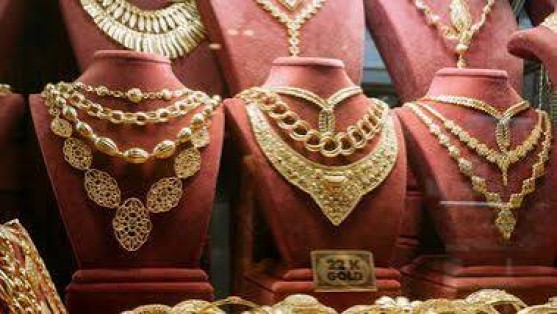
Luxury Jewellery Retailers Review Procurement Strategies Following Import Rule Changes
Luxury jewellery retailers are reassessing procurement strategies following changes in import regulations affecting the precious metals and gems supply chain. The evolving regulatory environment is encouraging retailers, manufacturers and wholesalers to strengthen sourcing practices, optimise inventory management and improve supply chain resilience while maintaining product quality and customer satisfaction.
As the premium jewellery market continues to evolve, businesses are focusing on long-term procurement planning to manage costs, ensure consistent raw material availability and respond effectively to changing market conditions.
Procurement Strategies Adapt to Regulatory Changes

Import rule changes are prompting jewellery retailers to review procurement processes across their operations.
Key strategic priorities include:
-
Supplier diversification
-
Inventory optimisation
-
Long-term sourcing contracts
-
Procurement planning
-
Cost management
-
Supply chain visibility
-
Risk mitigation
-
Quality assurance
Retailers are strengthening procurement frameworks to improve operational flexibility and business continuity.
Supply Chain Resilience Gains Greater Importance
Jewellery companies are placing greater emphasis on building resilient supply networks.
Focus areas include:
-
Multiple sourcing channels
-
Domestic supplier partnerships
-
Logistics optimisation
-
Inventory planning
-
Vendor relationships
-
Distribution efficiency
-
Procurement transparency
-
Operational continuity
A diversified supply chain helps reduce dependence on any single sourcing channel.
Inventory Management Becomes a Strategic Priority
Retailers are refining inventory strategies to maintain product availability while managing working capital efficiently.
Key initiatives include:
-
Stock optimisation
-
Demand forecasting
-
Inventory rotation
-
Seasonal planning
-
Product mix management
-
Warehouse efficiency
-
Procurement scheduling
-
Cash flow management
Effective inventory control supports profitability while improving customer service.
Premium Consumer Demand Remains Resilient
Demand for luxury jewellery continues to be supported by multiple consumer segments.
Key demand drivers include:
-
Wedding purchases
-
Festive shopping
-
Luxury gifting
-
Premium fashion trends
-
Brand loyalty
-
Rising disposable income
-
Investment demand
-
Product innovation
Retailers continue introducing new collections to attract premium consumers despite changing sourcing conditions.
Technology Supports Procurement Efficiency
Jewellery businesses are increasingly adopting digital technologies to improve procurement and supply chain management.
Important investments include:
-
Procurement software
-
Inventory analytics
-
Demand forecasting tools
-
Supply chain tracking
-
Vendor management systems
-
Digital procurement platforms
-
Data analytics
-
Business intelligence solutions
Technology helps improve operational efficiency and decision-making throughout the procurement process.
Cost Management Remains a Business Priority
Retailers continue balancing procurement costs with pricing strategies and profitability.
Areas of focus include:
-
Raw material costs
-
Manufacturing efficiency
-
Supplier negotiations
-
Logistics expenses
-
Inventory carrying costs
-
Operational productivity
-
Pricing strategy
-
Margin management
Efficient cost management supports long-term competitiveness in the premium jewellery market.
Industry Focuses on Sustainable Growth
Luxury jewellery companies are pursuing long-term growth through stronger procurement practices and operational excellence.
Strategic initiatives include:
-
Brand expansion
-
Product innovation
-
Customer experience enhancement
-
Digital retail growth
-
Supply chain modernisation
-
Sustainable sourcing initiatives
-
Operational efficiency
-
Long-term business planning
These initiatives aim to strengthen resilience while supporting future market growth.
Risks to Monitor
Despite continued market demand, several challenges remain.
These include:
-
Precious metal price volatility
-
Import policy changes
-
Currency fluctuations
-
Supply chain disruptions
-
Global economic uncertainty
-
Consumer spending trends
-
Inventory costs
-
Competitive pressures
-
Regulatory developments
-
Geopolitical risks
Managing these risks remains essential for maintaining stable operations and profitability.
What Investors Should Watch
Investors should monitor:
-
Import policy developments
-
Procurement cost trends
-
Precious metal prices
-
Inventory management
-
Consumer demand
-
Retail sales performance
-
Operating margins
-
Supply chain efficiency
-
Capital expenditure
-
Corporate earnings
These indicators provide valuable insights into the evolving outlook for the luxury jewellery retail sector.
Outlook
Luxury jewellery retailers are expected to continue strengthening procurement strategies as they adapt to changing import regulations and evolving market dynamics. Businesses that successfully diversify suppliers, optimise inventory and invest in technology-driven supply chain management are likely to enhance operational resilience and maintain long-term competitiveness.
Continued consumer demand for premium jewellery, combined with improved procurement efficiency, is expected to support sustainable growth across the organised jewellery retail sector.
Conclusion
The review of procurement strategies by luxury jewellery retailers reflects the industry's focus on adapting to evolving import regulations while maintaining operational efficiency and product availability. By strengthening sourcing networks, improving inventory management and investing in digital procurement capabilities, retailers are positioning themselves to navigate changing market conditions more effectively.
As the luxury jewellery market continues to evolve, resilient procurement strategies and disciplined cost management are expected to remain key drivers of long-term business success.