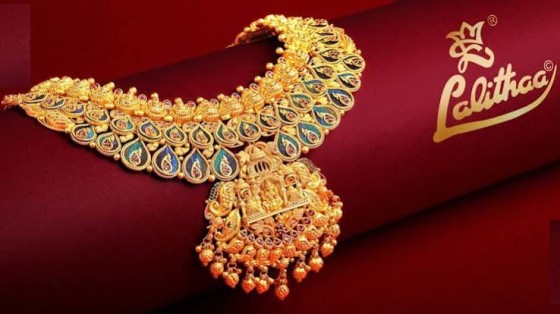
Lalithaa Jewellery Mart Sets ₹190–₹201 Price Band for ₹1,700 Crore IPO Opening August 17
Chennai-based jewellery retailer Lalithaa Jewellery Mart has fixed a price band of ₹190 to ₹201 per share for its ₹1,700 crore initial public offering, which is scheduled to open for subscription on August 17, 2026.
The mainboard offering represents a significant step for the South India-focused jewellery retailer as it seeks public-market capital to expand its physical store network and strengthen its position in India's large organised jewellery market.
The company's shares are proposed to be listed on both the BSE and the National Stock Exchange.
IPO Opens on August 17

Lalithaa Jewellery Mart's IPO will open for public subscription on August 17, with investors able to bid for shares within the ₹190-₹201 price band.
The issue is structured as a book-built offering.
At the upper end of the price band, the ₹1,700 crore issue represents one of the notable consumer-sector IPOs entering India's primary market during August.
The offer provides investors with exposure to a jewellery retailer that has built a substantial presence across southern India.
₹1,700 Crore Issue Includes Fresh Shares and OFS
According to the company's IPO filings, the offering comprises two components:
-
Fresh issue of shares worth up to ₹1,200 crore
-
Offer for sale worth ₹500 crore
The offer-for-sale component involves shares being sold by promoter M. Kiran Kumar Jain.
This distinction is important because proceeds from the fresh issue go to the company, while money raised through the OFS goes to the selling shareholder.
Fresh Capital Will Support Store Expansion
Lalithaa Jewellery Mart intends to use a significant portion of the fresh issue proceeds to expand its retail network.
The company's IPO documents outlined plans to deploy approximately ₹1,014.5 crore toward capital expenditure for setting up 12 new stores in India.
The remaining eligible proceeds are intended for general corporate purposes.
Retail expansion could allow the company to increase its geographic reach and capture a larger share of India's growing organised jewellery market.
New Stores Require Significant Capital
Jewellery retail expansion is highly capital intensive.
Unlike many conventional retailers, jewellery companies require substantial inventory at each location.
A new store may require investment across:
-
Gold jewellery inventory
-
Diamond jewellery
-
Silver products
-
Store interiors
-
Security systems
-
Technology
-
Working capital
This explains why physical expansion can require significant upfront capital even before a store begins generating revenue.
Lalithaa Jewellery Has Strong South India Presence
Founded in 1985, Lalithaa Jewellery Mart has developed into a major jewellery retail brand with a particularly strong presence in southern India.
Its network extends across markets including:
-
Tamil Nadu
-
Andhra Pradesh
-
Telangana
-
Karnataka
-
Puducherry
The company sells gold, diamond and silver jewellery through large-format retail stores.
Its expansion strategy could gradually broaden this geographic footprint.
Gold Jewellery Remains Core Market
Gold remains deeply embedded in Indian household consumption and savings behaviour.
Demand is driven by several factors, including:
-
Weddings
-
Festivals
-
Cultural traditions
-
Household savings
-
Investment demand
-
Gifting
This creates a large structural market for jewellery retailers, although sales can fluctuate depending on gold prices and consumer sentiment.
Rising Gold Prices Can Affect Consumer Demand
Gold-price movements are one of the most important variables for jewellery retailers.
When gold prices rise sharply, consumers may:
-
Reduce purchase quantities
-
Buy lighter jewellery
-
Exchange old gold
-
Delay discretionary purchases
-
Shift toward lower-ticket products
Retailers therefore need to manage both customer demand and inventory exposure during periods of elevated gold prices.
Organised Jewellery Retail Continues to Expand
India's jewellery industry has historically included a large number of independent and family-owned stores.
However, organised chains have steadily gained market share.
Consumers increasingly value factors such as:
-
Hallmarking
-
Transparent pricing
-
Product variety
-
Brand trust
-
Exchange policies
-
Digital records
This shift creates opportunities for established jewellery chains to expand into new cities and regions.
Hallmarking Strengthens Formal Retail
Mandatory hallmarking and increased regulatory formalisation have contributed to changing consumer behaviour.
Customers are becoming more attentive to jewellery purity and certification.
Larger organised retailers can benefit from this shift because they typically operate standardised systems for:
-
Purity verification
-
Billing
-
Product documentation
-
Exchange
-
Customer service
Formalisation could therefore continue supporting organised jewellery chains over the longer term.
Store Expansion Could Drive Revenue Growth
Opening additional stores provides a relatively straightforward growth route for jewellery retailers.
New stores increase:
-
Geographic reach
-
Customer access
-
Inventory availability
-
Brand visibility
-
Revenue capacity
However, successful expansion depends on selecting locations capable of generating sufficient sales to justify the substantial capital invested in inventory and infrastructure.
Location Selection Will Be Critical
Jewellery stores depend heavily on local consumer demographics and purchasing behaviour.
Important considerations include:
-
Household income
-
Wedding demand
-
Local competition
-
Gold-buying traditions
-
Commercial catchment
-
Store accessibility
A poorly performing large-format jewellery store can lock substantial capital into inventory.
The economics of Lalithaa Jewellery Mart's planned expansion will therefore depend heavily on execution.
Inventory Management Is Central to Jewellery Retail
Jewellery retailers operate with unusually high-value inventory.
Managing this inventory efficiently is critical because excessive stock can tie up substantial working capital.
Companies need to balance:
-
Product availability
-
Design variety
-
Store requirements
-
Gold-price movements
-
Inventory turnover
Efficient inventory management can significantly influence return on capital.
Gold Price Risk Requires Careful Management
Jewellery retailers must also manage fluctuations in gold prices.
Companies can use various procurement and hedging strategies to reduce exposure between the purchase of gold and the eventual sale of jewellery.
Effective risk management becomes particularly important when precious-metal prices experience substantial volatility.
Investors evaluating jewellery companies therefore need to look beyond revenue growth and consider inventory and working-capital management.
Manufacturing Capabilities Support Product Supply
Lalithaa Jewellery Mart also operates manufacturing facilities supporting its retail operations.
Greater control over production can help a jewellery retailer manage:
-
Product design
-
Quality
-
Availability
-
Manufacturing costs
-
Inventory replenishment
Integrated capabilities can become increasingly valuable as a retailer expands its store network.
Brand Trust Is Critical in Jewellery
Jewellery purchases involve high-value transactions and significant consumer trust.
Customers need confidence regarding:
-
Gold purity
-
Diamond quality
-
Pricing
-
Weight
-
Making charges
-
Exchange policies
Established brands can benefit from repeat purchases across generations of customers.
Maintaining this trust will be particularly important as Lalithaa Jewellery Mart expands beyond its strongest existing markets.
IPO Gives Company Access to Public Capital
A stock-market listing can provide benefits beyond the immediate fundraising.
Public companies can potentially gain:
-
Greater brand visibility
-
Broader investor access
-
Future fundraising options
-
Acquisition currency
-
Stronger public profile
However, listed companies also face higher expectations regarding governance, disclosure and quarterly financial performance.
Jewellery Sector Already Has Listed Competitors
Lalithaa Jewellery Mart will enter public markets alongside several established jewellery businesses.
The listed peer universe includes companies such as Titan, Kalyan Jewellers India, Senco Gold, P N Gadgil Jewellers and Thangamayil Jewellery.
Investors may compare Lalithaa Jewellery Mart with peers based on:
-
Revenue growth
-
Profit margins
-
Store productivity
-
Inventory turnover
-
Return ratios
-
Geographic presence
-
Valuation
These comparisons could influence the market's assessment of the IPO.
Consumer Demand Will Influence Post-Listing Performance
Long-term performance after listing will depend primarily on the underlying business rather than initial IPO demand.
Key variables include:
-
Same-store sales growth
-
New-store performance
-
Gold prices
-
Consumer spending
-
Wedding demand
-
Operating margins
-
Working capital
Strong execution across these metrics will be important for sustaining investor confidence.
IPO Comes Amid Active Primary Market
Lalithaa Jewellery Mart's offering arrives during an active period for India's primary market.
Companies across consumer, technology, manufacturing and financial sectors continue to evaluate public listings as domestic investors allocate substantial capital to equities.
However, strong overall IPO activity does not guarantee successful individual listings.
Investors increasingly differentiate companies based on business quality, valuation and earnings visibility.
Retail Investors Should Evaluate Valuation Carefully
The ₹190-₹201 price band establishes the range within which investors can bid, but price alone does not determine whether an IPO is attractive.
Investors generally need to consider:
-
Earnings
-
Valuation multiples
-
Debt
-
Cash flows
-
Growth prospects
-
Competitive position
-
Return on capital
Comparisons with established listed jewellery retailers can provide additional context.
OFS Does Not Provide Capital to Company
Investors should also distinguish between the fresh issue and offer-for-sale portions.
The ₹500 crore OFS represents a sale of existing shares.
Those proceeds do not strengthen the company's balance sheet or finance expansion.
By contrast, the ₹1,200 crore fresh issue is intended to provide new capital to Lalithaa Jewellery Mart.
Expansion Execution Will Be Key Post-IPO
The company's planned 12-store expansion will become an important post-listing performance indicator.
Investors will monitor:
-
Store-opening timelines
-
Capital expenditure
-
Inventory requirements
-
Revenue ramp-up
-
Store-level profitability
Delays or cost overruns could reduce the expected return from the capital raised through the IPO.
What Investors Should Watch
Lalithaa Jewellery Mart's IPO puts several factors in focus:
-
Subscription levels
-
Institutional investor demand
-
Retail participation
-
Final issue price
-
Store expansion
-
Gold-price movements
-
Revenue growth
-
Profitability
-
Inventory efficiency
-
Post-listing performance
The quality of demand across institutional and retail categories could provide an early indication of market appetite for the issue.
Outlook
Lalithaa Jewellery Mart's ₹1,700 crore IPO gives the retailer an opportunity to raise substantial growth capital while entering India's public equity markets.
The ₹190-₹201 price band and August 17 opening establish the key terms for investors considering participation.
The company's established southern Indian presence and planned store expansion provide a visible growth strategy, while formalisation of India's jewellery market creates a supportive long-term backdrop.
At the same time, investors will need to assess valuation, gold-price exposure, working-capital requirements and the company's ability to generate attractive returns from its new stores.
Conclusion
Lalithaa Jewellery Mart has set a price band of ₹190 to ₹201 per share for its ₹1,700 crore IPO opening on August 17, bringing another major jewellery retailer to India's primary market.
The offering includes a fresh issue of up to ₹1,200 crore and a ₹500 crore offer for sale, with fresh capital primarily intended to support the establishment of new stores.
The IPO gives Lalithaa Jewellery Mart an opportunity to accelerate expansion while benefiting from the continuing shift toward organised jewellery retail in India.
For investors, the central questions will be whether the company can translate its established South Indian brand into successful new-store growth and whether the IPO valuation adequately reflects the risks associated with gold-price volatility, inventory intensity and competitive pressure.