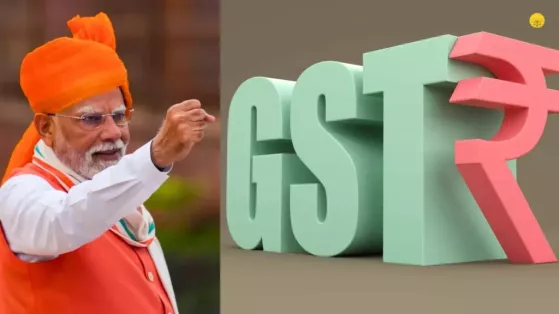
GST Reforms 2025 – An Informative Overview
Introduction – Why GST Reforms 2025 Matter
India’s tax system has always been central to its economic growth story. The Goods and Services Tax (GST), introduced in 2017, was hailed as one of the most ambitious tax reforms in independent India. Yet, eight years later, the system had become too complex with multiple slabs, compliance issues, and disputes piling up.
The 56th GST Council Meeting in September 2025 has changed this trajectory. By simplifying the structure into a two-tier system, exempting critical services like health and life insurance, correcting inverted duties in key industries, and operationalizing the GST Appellate Tribunal (GSTAT), India has not only modernized its tax regime but also made it more human, transparent, and future-ready.
This overview explains the reforms in detail — their impact on citizens, businesses, and the government — while bringing in global comparisons, expert analysis, and human stories.
Key Highlights of the 56th GST Council Meeting
-
Two-Tier GST Structure: Replacing five slabs with two simple rates: 5% (essentials) and 12% (standard goods/services).
-
Healthcare Relief: Health and life insurance exempted; tax cuts on medicines, hospital diagnostics, and equipment.
-
Agriculture Support: Reduced GST on fertilizers, seeds, and farm equipment.
-
MSME Boost: Simplified GST filing; registration threshold raised to ₹60 lakh turnover.
-
Household Relief: Cuts on groceries, LPG, detergents, sanitary products, stationery.
-
Inverted Duty Correction: Especially in textiles and footwear, benefitting labour-intensive sectors.
-
GSTAT Launch: A long-awaited tax tribunal for speedy and fair dispute resolution.
-
Technology Integration: AI, blockchain, and mobile-first GST portal announced for compliance.
Healthcare – Affordable Insurance & Medicines
Healthcare received a massive boost:
-
GST exemption on health and life insurance premiums.
-
Lower GST (5%) on life-saving drugs and diagnostics.
-
Reduced taxes on medical equipment.
Impact:
-
Families save thousands annually.
-
Insurance penetration increases (earlier only 34% of Indians had coverage).
-
Hospitals reduce costs, making private healthcare more affordable.
Agriculture – Relief for Farmers, Stability for Consumers
The Council recognized agriculture’s importance by cutting GST on key inputs:
-
Fertilizers: 12% → 5%.
-
Farm equipment (tractors, irrigation): 18% → 12%.
-
Seeds & pesticides: Partially exempt.
Impact:
-
Farmers reduce input costs, improving margins.
-
Stable food prices control inflation.
-
Rural incomes rise, improving consumption.
MSMEs – Compliance Made Simple
Micro, Small, and Medium Enterprises (MSMEs) have long complained about GST complexity. Reforms addressed these directly:
-
Registration threshold raised to ₹60 lakh.
-
Single-page quarterly return filing introduced.
-
Refunds for exporters digitized and expedited.
Impact:
-
Compliance costs reduced drastically.
-
Small traders reinvest savings into growth.
-
Exports become competitive.
Households – Everyday Savings
Citizens feel the reform most visibly at shops and hospitals:
-
Groceries cheaper: GST cuts on rice, pulses, milk products, edible oils.
-
Daily essentials affordable: LPG, detergents, sanitary pads, stationery.
-
Insurance without GST: Financial protection now within middle-class reach.
Impact:
-
A family of four saves ₹600–₹1000/month.
-
Disposable incomes rise, boosting demand in the economy.
GSTAT – A Tribunal for Justice
Earlier, disputes had to go to high courts, draining time and money. Now, with GST Appellate Tribunal (GSTAT):
-
Dedicated benches in every state.
-
Experts + judicial members ensure faster justice.
-
Digital filing and virtual hearings for accessibility.
Impact:
-
Businesses resolve disputes in months, not years.
-
Citizens gain faith in GST fairness.
-
Reduces burden on higher judiciary.
Global Comparisons – How India Stands
-
Australia (Flat 10%): Simple but regressive. India’s two-tier protects essentials.
-
EU (Multiple Rates): Overly complex. India simplified closer to Germany’s balanced model.
-
Singapore (Gradual hikes): Regressive without exemptions. India’s citizen-first approach fares better.
-
Canada (Dual GST-HST): Creates inconsistency. India avoided this with unified GST.
-
Brazil (Fragmented): Still struggling; India ahead with GSTAT and tech integration.
Expert Opinions
-
Economists: “Historic simplification, but revenue needs close monitoring.”
-
Tax Professionals: “Single-page filing a game-changer, but training needed in small towns.”
-
Policy Analysts: “GSTAT independence crucial for success.”
Challenges Ahead
-
Revenue Management: Lower rates may initially reduce collections.
-
Classification Clarity: Essential vs. standard must be clear.
-
GSTAT Capacity: Needs proper staffing to avoid backlogs.
-
Digital Divide: Rural traders need digital literacy support.
-
Macro Stability: Global inflationary shocks could offset domestic relief.
Roadmap for the Future
-
Monitor collections with AI-enabled compliance.
-
Strengthen GSTAT through independence and regional benches.
-
Expand MSME training programs in vernacular languages.
-
Move gradually toward One Nation, One Simple Tax.
-
Share India’s model globally, especially with other developing nations.
Human Stories – The Real Test of Reform
-
Ramesh, Farmer (MP): Lower fertilizer GST improves margins.
-
Asha, Homemaker (Lucknow): Monthly savings of ₹800 on groceries.
-
Meera, Insurance Agent (Pune): Easier to sell policies after exemption.
-
Arjun, Manufacturer (Agra): Freed from GST filing under new threshold.
-
Kavita, Hospital Admin (Chennai): Reduced medical equipment costs = cheaper treatment.
Economic Outlook
-
Citizens: Lower costs, higher disposable income.
-
Businesses: Easier compliance, greater competitiveness.
-
Government: Higher trust, stable revenues long-term.
-
Overall GDP Boost: Consumption-driven growth expected to rise by 0.4–0.6% annually.
Conclusion – A New Chapter
The GST Reforms 2025 mark a historic turning point. By simplifying slabs, exempting essentials, supporting MSMEs, and operationalizing GSTAT, India has built a system that is fair, transparent, and future-ready.
This is taxation that empowers, not burdens. It’s the beginning of One Nation, One Simple Tax.