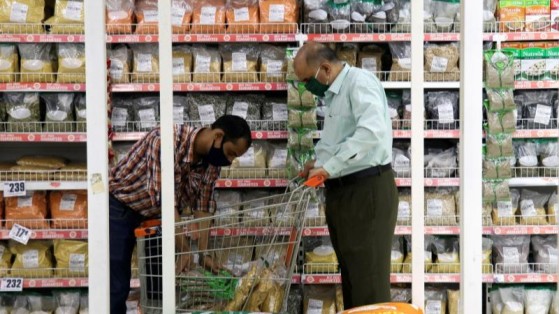
India’s annual retail inflation cooled sharply in September 2025, dropping to 1.54 percent, the lowest level since June 2017. This represents a steep decline from August’s rate of 2.07 percent, and places inflation well below the Reserve Bank of India’s target range of 2 – 6 percent.
The primary driver behind the slowdown was a deep drop in food prices. Vegetables, pulses, cereals, edible oils, fruits, eggs and other perishable commodities all saw significant price corrections. In the food basket, inflation turned negative, registering a year-on-year fall of around 2.28 percent, much deeper than the previous month’s decline of 0.64 percent. Rural areas recorded food inflation of –2.17 percent, while urban food inflation fell even more sharply to –2.47 percent.
The easing of headline inflation reflects both favorable base effects from last year and the fading of earlier supply-side pressures. Stable or soft global commodity prices, a relatively steady rupee, and moderate energy costs also helped to contain inflationary pressures.
However, not all components reflected slack conditions. Core inflation — which excludes volatile elements like food and fuel — held firm at around 4.5 percent, pushed up by factors such as elevated housing costs and rising prices of precious metals. In the non-food segment, categories like housing, health, and education continued to see moderate price pressures.
On the policy front, this disinflationary trend gives the RBI some breathing space. The central bank has already maintained its policy repo rate at 5.5 percent during its October review while signaling scope for another 25 basis point cut in December, should the inflation and growth outlook support it. The September data lend credence to expectations of further monetary easing before year-end.
Still, challenges remain. The RBI will need to monitor risks such as renewed upward pressure on food prices, volatility in global commodity markets, and pass-through effects from tax and tariff changes. The persistence of high core inflation also suggests that any rate cuts will need to be calibrated carefully to balance growth support and price stability.
For consumers, the sharper fall in inflation offers relief, especially in expenditure on essential food items. Lower household inflation boosts real income and may revive consumption momentum in the run-up to the festive season.
In summary, the September 2025 inflation print marks a significant milestone: headline inflation at its lowest in over eight years. While it strengthens the case for further monetary easing, the RBI must tread cautiously, ensuring that any policy move is sustainable and responsive to evolving risks.