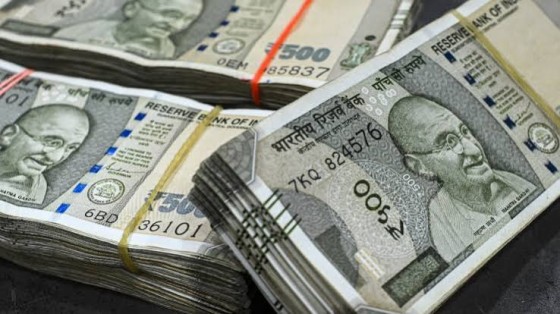
Indian Rupee Extends Rally After RBI's Measures to Boost Foreign Currency Inflows
The Indian rupee continued its upward momentum after the Reserve Bank of India (RBI) introduced measures aimed at encouraging higher foreign currency inflows into the country. The initiatives have strengthened investor confidence, improved liquidity expectations and reinforced optimism about India's external sector, providing additional support to the domestic currency.
Market participants believe the RBI's efforts to attract overseas capital, combined with resilient macroeconomic fundamentals and healthy foreign exchange reserves, have improved the outlook for the rupee despite ongoing global economic uncertainty.
RBI Measures Strengthen External Financing

The central bank's initiatives are designed to improve foreign currency availability and enhance external sector resilience.
Key objectives include:
-
Encouraging foreign currency inflows
-
Strengthening external financing
-
Supporting foreign exchange liquidity
-
Enhancing investor confidence
-
Maintaining orderly currency markets
-
Improving financial stability
-
Supporting capital inflows
-
Preserving macroeconomic stability
These measures are expected to reinforce India's external financial position.
Capital Inflows Support the Rupee
Healthy foreign investment continues to provide support for the domestic currency.
Important sources include:
-
Foreign direct investment (FDI)
-
Foreign portfolio investment (FPI)
-
External commercial borrowings
-
Overseas deposits
-
Institutional investments
-
Infrastructure funding
-
Corporate capital inflows
-
Long-term strategic investment
Sustained inflows help strengthen the balance of payments and support currency stability.
Foreign Exchange Reserves Remain a Key Strength
India's foreign exchange reserves continue to provide an important financial buffer.
Major benefits include:
-
Currency stability
-
External payment security
-
Import financing
-
Market confidence
-
Reduced external vulnerability
-
Liquidity support
-
Policy flexibility
-
Financial resilience
Strong reserves enhance the RBI's ability to manage periods of market volatility.
Lower External Risks Improve Market Sentiment
Improving external conditions have supported confidence in Indian financial assets.
Key supporting factors include:
-
Stable monetary policy
-
Resilient economic growth
-
Strong domestic demand
-
Healthy banking system
-
Improving investor confidence
-
Infrastructure investment
-
Manufacturing expansion
-
Digital economy growth
These factors continue attracting domestic and international investors.
Currency Stability Supports Businesses
A stable rupee benefits multiple sectors of the economy.
Potential beneficiaries include:
-
Import-dependent industries
-
Manufacturing companies
-
Infrastructure businesses
-
Consumer goods companies
-
Aviation sector
-
Capital goods manufacturers
-
Financial institutions
-
Technology companies
Improved currency stability supports business planning and investment decisions.
Financial Markets Monitor Currency Trends
Investors continue assessing the implications of the rupee's performance.
Key indicators include:
-
Foreign exchange reserves
-
Capital inflows
-
Government bond yields
-
Equity market performance
-
Foreign investment activity
-
Current account balance
-
Dollar movements
-
Global risk sentiment
These metrics help determine the medium-term outlook for the currency.
Global Developments Remain Important
External factors continue influencing currency markets.
Key risks include:
-
U.S. Federal Reserve policy
-
Global interest rates
-
Crude oil prices
-
Geopolitical tensions
-
Commodity market volatility
-
International capital flows
-
Dollar strength
-
Global economic growth
These developments may influence future exchange-rate movements.
Risks to Monitor
Investors should continue monitoring:
-
Foreign capital inflows
-
Crude oil prices
-
RBI policy guidance
-
Current account balance
-
Foreign exchange reserves
-
Inflation trends
-
Government bond yields
-
Currency volatility
-
Global interest rates
-
Geopolitical developments
These factors will shape the rupee's future direction.
What Investors Should Watch
Key indicators include:
-
Rupee exchange rate
-
RBI foreign exchange measures
-
Foreign exchange reserves
-
FDI and FPI inflows
-
Current account data
-
Inflation
-
Crude oil prices
-
Government bond yields
-
Dollar index
-
Future RBI guidance
These metrics will provide valuable insight into India's currency outlook.
Outlook
The RBI's measures to encourage foreign currency inflows have strengthened confidence in India's external sector and provided additional support to the rupee. If capital inflows remain healthy and global financial conditions remain relatively stable, the domestic currency is likely to continue benefiting from improved external fundamentals.
However, investors will continue monitoring crude oil prices, global interest-rate trends, geopolitical developments and international capital flows, as these factors remain important drivers of currency market performance.
Conclusion
The Indian rupee has extended its rally following the RBI's initiatives to strengthen foreign currency inflows, reflecting improving investor sentiment and confidence in India's external position.
Supported by healthy capital inflows, robust foreign exchange reserves and resilient macroeconomic fundamentals, the currency remains well positioned despite an uncertain global environment. Investors will continue tracking RBI policy, foreign investment trends, oil prices and global financial developments to assess the rupee's medium-term outlook.