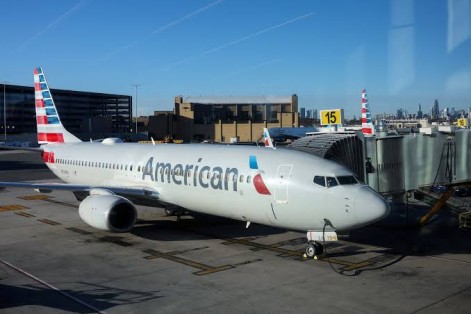
American Airlines Resumes Flights After IT Outage Grounds Operations Across the U.S.
American Airlines resumed departures after a technology outage forced the temporary grounding of its flights across the United States, disrupting passengers and adding further pressure to an aviation network already affected by severe weather.
The Federal Aviation Administration issued the nationwide ground stop at approximately 6:30 p.m. Eastern Time on July 28 after connectivity problems affected systems used by American Airlines and its regional partners. The restriction was lifted at about 7:18 p.m. as the carrier restored its systems and began restarting departures. (Reuters)
Although the interruption lasted for less than an hour, its effects continued after operations resumed because aircraft, crews and passengers had already been displaced across the airline’s extensive network.
Nationwide Ground Stop Temporarily Halts Departures

The FAA ground stop prevented American Airlines aircraft from departing airports across the country while technical teams investigated the system failure.
Flights that were already airborne continued toward their destinations, but aircraft waiting at gates were temporarily unable to begin their journeys.
American Airlines said connectivity issues had affected some of its systems and that teams were working to restore normal operations. Once the systems began returning online, departures resumed and the carrier apologised to affected passengers. (Reuters)
The event demonstrated how even a relatively brief technology failure can have an immediate nationwide impact when it affects a major airline operating thousands of daily flights.
More Than 1,000 Flights Face Disruption
The outage contributed to widespread delays and cancellations across American Airlines’ network.
Flight-tracking data cited by Reuters showed that approximately 1,100 American Airlines flights, representing around 30% of the carrier’s scheduled operations, had been delayed. Another 221 flights, or approximately 6%, were cancelled. (Reuters)
Not every disruption was necessarily caused by the IT failure alone. Thunderstorms were already affecting several East Coast airports, increasing congestion and making operational recovery more difficult.
The overlap between technology and weather disruptions created a more complicated recovery process for the airline.
Weather Conditions Add to Operational Pressure
Severe thunderstorms across parts of the eastern United States were already creating delays before the technology outage occurred.
Airlines typically respond to weather disruption by adjusting aircraft rotations, crew assignments and departure schedules. When an IT failure occurs during the same period, the carrier loses some of the systems required to coordinate those changes efficiently.
The combined disruption can affect:
-
Aircraft positioning
-
Crew availability
-
Gate assignments
-
Passenger connections
-
Baggage transfers
-
Maintenance schedules
-
Airport congestion
-
Customer communication
This explains why delays can continue for several hours after the original technology issue has been resolved.
Regional Airlines Are Also Affected
The ground stop extended beyond American Airlines’ mainline operation to its regional partners.
Regional affiliates operate a substantial number of shorter routes under the American Eagle brand, connecting smaller cities with major hubs.
Disruption across these services can spread quickly because regional flights often feed passengers into long-distance domestic and international connections.
A delayed regional departure can therefore affect multiple connecting flights later in a passenger’s journey.
The broad scope of the ground stop increased the challenge of restoring the airline’s full network.
Major Hubs Face Cascading Delays
American Airlines operates large hubs including Dallas-Fort Worth, Charlotte, Chicago, Miami, Philadelphia, Phoenix and Washington.
These airports depend on carefully coordinated arrival and departure waves.
When departures are temporarily halted, several aircraft may become ready to leave at approximately the same time after restrictions are lifted. Airports must then manage the resulting backlog while continuing to handle flights operated by other carriers.
This can lead to:
-
Longer taxi times
-
Gate congestion
-
Missed connections
-
Crew scheduling conflicts
-
Delayed baggage
-
Aircraft arriving late for subsequent flights
The operational effects can continue well beyond the duration of the initial outage.
Airline Technology Is Critical Infrastructure
Modern airlines depend on complex technology systems to coordinate nearly every aspect of their operations.
These platforms support:
-
Flight dispatch
-
Reservations
-
Check-in
-
Crew scheduling
-
Aircraft assignments
-
Maintenance records
-
Passenger information
-
Baggage handling
A problem affecting connectivity between these systems can quickly prevent an airline from safely and efficiently dispatching aircraft.
Airlines maintain backup processes and recovery procedures, but a network-wide systems problem may still require temporary grounding until operational reliability is restored.
Outage Highlights Dependence on Integrated Systems
The aviation industry has become increasingly dependent on integrated digital infrastructure.
Airline systems must continuously exchange information across airports, operations centres, mobile applications, websites and third-party service providers.
This integration improves efficiency during normal operations but can also create broader disruption when a central system becomes unavailable.
The American Airlines incident reinforces the need for:
-
System redundancy
-
Backup communications
-
Real-time monitoring
-
Cybersecurity
-
Vendor management
-
Disaster recovery
-
Employee training
-
Rapid passenger communication
Technology resilience has become as important to airline reliability as aircraft availability and airport infrastructure.
Flight Recovery Can Take Hours
Restarting departures does not immediately return an airline to its original timetable.
After a ground stop ends, operations teams must determine which flights should depart first and whether aircraft and crews remain available within regulatory limits.
Some flights may be cancelled if delays become too long or if crew members approach maximum permitted working hours.
Passengers may also miss connections, requiring the airline to arrange alternative flights and baggage transfers.
Operational recovery therefore involves far more than simply restoring computer access.
Passengers Advised to Check Flight Status
American Airlines advised travellers to monitor their flight information as the network recovered.
Passengers affected by an airline technology disruption should generally check:
-
Departure time
-
Airport gate
-
Connecting itinerary
-
Rebooking options
-
Baggage status
-
Airline notifications
-
Travel waivers
-
Customer-service updates
Travellers heading to airports after a major outage may still encounter delays even when an airline says operations have resumed.
Outage Creates Customer-Service Pressure
A nationwide disruption can quickly overwhelm airline customer-service channels.
Thousands of passengers may attempt to modify bookings, find alternative connections or request assistance simultaneously.
This can increase waiting times across:
-
Airport service desks
-
Telephone support
-
Mobile applications
-
Airline websites
-
Social media channels
-
Baggage offices
Clear and frequent communication becomes essential because passengers need to understand whether flights are delayed, cancelled or awaiting new departure times.
Previous Technology Failures Raise Industry Concerns
American Airlines has experienced other major technology-related disruptions, including a December 2024 incident that caused an approximately one-hour ground stop during the busy Christmas Eve travel period.
That earlier issue involved network hardware maintained by an outside technology provider. (Reuters)
The latest disruption will likely increase attention on airline system resilience, supplier oversight and investments designed to reduce the risk of repeated network-wide failures.
Technology outages are not limited to American Airlines. Carriers worldwide have faced operational interruptions caused by internal systems, telecommunications problems and third-party technology providers.
Financial Impact Could Extend Beyond the Outage
Even short operational disruptions can create financial costs for airlines.
Potential expenses include:
-
Passenger rebooking
-
Hotel accommodation
-
Meal vouchers
-
Overtime
-
Aircraft repositioning
-
Crew recovery
-
Lost revenue
-
Customer compensation
The final financial impact depends on the number of cancellations, the length of the recovery and the airline’s ability to restore normal schedules.
The interruption comes shortly after American Airlines reduced its 2026 earnings outlook because rapidly rising jet-fuel costs were offsetting the benefits of strong travel demand and higher revenue. (Reuters)
Reliability Remains Important to Turnaround Strategy
American Airlines is working to strengthen profitability and improve its competitive position against major U.S. rivals.
Operational reliability is central to that strategy because frequent delays or technology problems can affect customer loyalty, corporate travel relationships and future bookings.
Business travellers, in particular, place significant value on schedule reliability and recovery support when disruptions occur.
The latest outage therefore carries reputational significance even though the ground stop itself was relatively brief.
Cybersecurity and Technical Failure Must Be Distinguished
The available reports described the event as a connectivity or IT systems issue. They did not indicate that the outage resulted from a cyberattack.
Airlines and regulators generally investigate technology failures to determine whether they were caused by hardware, software, network connectivity, vendor systems, human error or malicious activity.
The distinction matters because cybersecurity incidents may require different operational and regulatory responses from ordinary technical failures.
American Airlines had not publicly provided a detailed root-cause explanation at the time operations resumed.
Risks to Monitor
The aviation industry continues to face several technology-related operational risks:
-
Ageing legacy systems
-
Vendor dependence
-
Network failures
-
Cyberattacks
-
Software errors
-
Telecommunications outages
-
Inadequate redundancy
-
Extreme-weather disruption
-
Airport congestion
-
Crew displacement
Airlines must invest continuously in resilient technology while maintaining the ability to operate safely during system failures.
What Passengers and Investors Should Watch
Passengers should continue monitoring American Airlines’ schedule as the carrier clears remaining delays and restores normal aircraft rotations.
Investors and industry participants should watch:
-
Final cancellation totals
-
Duration of residual delays
-
Explanation of the outage
-
Technology remediation
-
Passenger compensation costs
-
Operational recovery
-
FAA review
-
Future infrastructure investment
-
Customer reaction
-
Management commentary
A detailed explanation of the system failure could provide greater clarity about whether the incident was isolated or exposed a broader technology vulnerability.
Outlook
American Airlines restored departures relatively quickly after the nationwide ground stop, limiting the duration of the direct operational halt.
However, the number of delayed and cancelled flights illustrates how rapidly a brief systems issue can affect a large airline network.
The company’s immediate priority will be clearing the backlog, repositioning aircraft and crews, and assisting passengers whose journeys were disrupted.
Over the longer term, the incident is likely to reinforce pressure on airlines to modernise operational systems, strengthen redundancy and improve recovery capabilities.
Conclusion
American Airlines resumed flight operations after a nationwide IT outage briefly prevented departures across the United States.
The FAA-imposed ground stop began at approximately 6:30 p.m. Eastern Time on July 28 and was lifted before 7:20 p.m. as the carrier restored affected systems. The disruption contributed to more than 1,000 delays and hundreds of cancellations while severe weather added further pressure to the network. (Reuters)
Although the technical interruption was short, its consequences demonstrate the aviation industry’s dependence on reliable digital infrastructure.
For American Airlines, the focus now shifts from restoring systems to recovering schedules, supporting affected passengers and determining how the outage occurred.