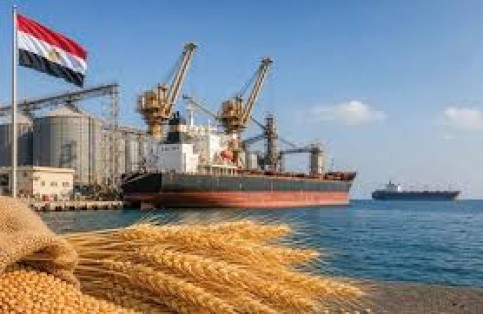
Crop Buyers Turn to Alternative Grain Suppliers as Black Sea Trade Disruptions Restrict Supplies
Major grain buyers are increasingly looking beyond traditional Black Sea suppliers as escalating disruptions to ports, vessels and shipping routes restrict the movement of agricultural commodities from one of the world's most important export regions. Importers in Asia and other major consuming markets are exploring wheat and other grain supplies from Australia, Europe and North America as uncertainty surrounding Black Sea shipments increases. The shift is reshaping global agricultural trade flows and could influence freight costs, commodity prices and food-import strategies if disruptions persist.
Black Sea Trade Disruptions Reshape Global Grain Purchases

The Black Sea has long played a central role in international agricultural trade because Russia and Ukraine are major exporters of wheat, corn, barley and vegetable oils.
Shipping Risks Restrict Access to Major Export Hubs
Recent attacks affecting ports, vessels and other maritime infrastructure have increased risks for commercial shipping operating across the Black Sea.
Ukraine's agricultural exports have been particularly exposed because the country depends heavily on maritime infrastructure to move large volumes of grain into international markets.
Disruptions around ports in the Odesa region have complicated normal shipping operations, while attacks have also affected alternative export infrastructure.
Russian Black Sea export operations have faced disruptions as well, increasing uncertainty across a region responsible for a substantial share of globally traded grain.
Shipowners and commodity traders must now assess not only crop availability and prices but also vessel safety, insurance costs and the probability that scheduled cargoes can be loaded and delivered on time.
Harvest Season Adds Pressure to Export Infrastructure
The disruption comes at a particularly sensitive point in the agricultural calendar as newly harvested crops need to move from farms and storage facilities into export channels.
When export infrastructure slows during harvest season, grain can accumulate inside producing countries.
Storage capacity then becomes increasingly important.
Farmers may face difficulty selling crops, while exporters can struggle to honour international contracts or secure vessels willing to enter affected ports.
For international buyers, the same disruption creates a different problem: grain may physically exist but remain difficult to access.
This distinction between agricultural production and export availability is becoming increasingly important for global commodity markets.
Asian Grain Buyers Seek Alternative Suppliers
Some of the clearest signs of changing trade flows are emerging in Asia, where large importing countries traditionally purchase significant volumes from the Black Sea region.
Australian Wheat Gains Attention From Asian Importers
Australia is emerging as an important alternative source for buyers seeking to reduce exposure to Black Sea shipping risks.
Indonesia has purchased Australian wheat for delivery during September and October, while other Southeast Asian importers have also moved to secure cargoes from alternative origins.
Australia has geographic advantages when supplying Asian markets because shipping distances can be relatively competitive compared with grain transported from Europe or North America.
However, purchasing decisions depend heavily on price, wheat quality, freight rates and availability.
A sustained shift toward Australian grain could increase competition for exportable supplies and potentially strengthen regional wheat prices.
For buyers, the priority is increasingly becoming supply reliability alongside traditional price considerations.
European and North American Origins Are Also Being Considered
Importers are not relying on a single replacement supplier.
Buyers in Bangladesh have sought offers for Romanian wheat, demonstrating how European suppliers could gain additional demand when Black Sea availability becomes uncertain.
Some Asian importers are also considering supplies from North America despite longer shipping distances.
This illustrates the scale of the adjustment taking place.
Commodity buyers generally optimise purchases according to delivered cost, quality and shipping schedules. Moving to more distant suppliers can increase freight expenses, but buyers may accept higher costs when supply reliability becomes more important.
The diversification of sourcing could consequently reshape established grain trading routes if Black Sea disruptions continue for an extended period.
Wheat Markets React to Black Sea Supply Risks
Commodity markets have already responded to concerns surrounding grain shipments from the region.
Wheat Prices Become More Sensitive to Shipping Developments
Wheat futures have experienced increased volatility as traders assess the potential impact of disrupted Russian and Ukrainian exports.
Markets react quickly to developments involving Black Sea ports because both countries play important roles in international wheat supply.
A temporary port closure may have limited long-term consequences if operations resume rapidly.
Persistent disruptions are more significant because they can reduce the volume of grain available to global importers.
Price movements therefore increasingly reflect shipping risk alongside traditional agricultural factors such as weather, crop yields and inventories.
The situation demonstrates how geopolitical developments can influence food commodity markets even when underlying global production remains relatively strong.
Alternative Origins May Command Higher Delivered Prices
Switching suppliers does not necessarily mean buyers can replace Black Sea grain at the same cost.
Russian and Ukrainian grain has historically been competitive in many importing markets because of production economics and geographic access to major consumers across Europe, the Middle East, Africa and Asia.
Alternative suppliers may offer reliable availability but involve higher commodity or transportation costs.
Buyers must therefore compare the financial impact of purchasing from more expensive origins against the risks associated with waiting for Black Sea supply conditions to improve.
Some importers may delay purchases when prices become unattractive.
Others, particularly those requiring consistent supplies for flour milling, animal feed or national food programmes, may have less flexibility.
Ukraine Faces Significant Agricultural Export Pressure
Ukraine is particularly vulnerable to maritime disruption because agriculture remains a major contributor to its export economy.
Grain Exports Have Fallen Sharply
Ukraine's grain exports dropped significantly during early August as Black Sea shipping disruptions intensified.
The country's agricultural sector depends heavily on ports to move wheat, corn and other crops to international customers.
When maritime routes become constrained, exporters must consider alternative options including rail, road and Danube River transportation.
These routes can provide valuable additional capacity but generally cannot replace the scale and efficiency of major Black Sea ports.
Low water levels on the Danube have added another logistical complication, while attacks on infrastructure have increased uncertainty.
The combination has created substantial challenges for Ukrainian farmers and agricultural exporters during an important harvest period.
Storage Capacity Could Become a Growing Concern
Reduced export capacity creates pressure throughout the agricultural supply chain.
Farmers harvesting new crops require storage space until grain can be sold or transported.
If existing silos remain occupied because exports have slowed, storage shortages can develop.
This can weaken farmgate prices even when international grain prices are rising.
Farmers may consequently receive less for crops while overseas buyers pay more because transportation and supply risks have increased.
The mismatch illustrates the unusual economics of logistics disruptions.
Without dependable export routes, strong agricultural production alone cannot guarantee financial stability for producers or reliable supply for international customers.
Russia's Grain Exports Also Face Shipping Constraints
The disruption is not limited to Ukrainian agricultural trade.
Black Sea Export Terminals Face Operational Risks
Russia is one of the world's largest wheat exporters, making developments affecting its Black Sea terminals particularly important for international grain markets.
Recent attacks have interrupted operations around major Russian export infrastructure, increasing uncertainty over the timing and volume of future shipments.
Any sustained reduction in Russian wheat exports could have a significant effect on international supply because Russian grain competes aggressively across many price-sensitive markets.
Exporters may attempt to redirect cargoes through alternative ports and transportation routes.
However, rerouting large volumes of grain can create logistical bottlenecks and additional transportation costs.
Markets will therefore continue monitoring Russian port operations closely.
Simultaneous Disruptions Increase Global Market Risk
Global grain markets can often absorb temporary supply interruptions from an individual exporting country.
The current situation is more complicated because both Russia and Ukraine are experiencing risks across the same major maritime region.
This reduces the ability of buyers to simply switch between the two Black Sea suppliers.
Instead, importers may need to source grain from entirely different geographic regions.
That creates greater competition for Australian, European, North American and potentially South American supplies.
The broader the disruption becomes, the more likely it is that global grain trade routes will adjust.
Alternative Suppliers Could Gain New Export Opportunities
The disruption is creating commercial opportunities for agricultural exporters outside the Black Sea.
Australia Could Strengthen Its Position in Asian Markets
Australia is well positioned geographically to serve major grain-importing markets across Asia.
If Southeast Asian buyers continue reducing dependence on Black Sea cargoes, Australian exporters could capture additional wheat demand.
Higher export demand can support local grain prices and strengthen revenues across agricultural supply chains.
However, exporters must balance international demand against domestic availability and existing customer commitments.
Crop quality and production volumes will also determine how much additional demand Australia can accommodate.
A prolonged Black Sea disruption could therefore strengthen Australia's role in Asian wheat trade beyond the immediate crisis.
European Exporters May Capture Additional Demand
European grain suppliers could also benefit from changing trade flows.
Romania and other European producers already participate actively in international wheat markets and can potentially supply customers seeking alternatives.
France and other major European agricultural exporters may also attract additional interest depending on crop availability and pricing.
European exporters, however, face their own production, logistics and weather considerations.
The ability to capture displaced Black Sea demand will depend on exportable surpluses and competitiveness relative to Australia, North America and other origins.
The result could be a more geographically diversified global grain market.
Food Importers Face Higher Supply-Chain Risks
For grain-importing countries, the situation highlights the importance of diversified agricultural sourcing.
Dependence on Individual Trade Corridors Creates Vulnerability
Countries that depend heavily on a small number of grain suppliers can become vulnerable when geopolitical or logistical disruptions affect those trade routes.
Diversification can reduce this exposure.
Importers may maintain commercial relationships with suppliers across multiple regions even when one source normally offers lower prices.
Such diversification can increase procurement complexity but provide greater resilience during supply shocks.
Governments responsible for strategic food reserves may also reassess inventory levels and purchasing schedules when international shipping risks increase.
The Black Sea disruption could therefore influence procurement policies beyond immediate commercial grain purchases.
Higher Grain Costs Can Affect Food and Feed Industries
Changes in international grain prices eventually affect businesses throughout food and agricultural supply chains.
Wheat is a fundamental input for flour, bread, noodles and numerous processed foods.
Corn and barley are widely used in animal feed and industrial applications.
Higher import costs can therefore affect millers, food manufacturers, livestock producers and retailers.
Companies may absorb some increases temporarily, but prolonged cost pressure can eventually influence consumer prices.
The impact varies significantly between countries depending on domestic production, currency movements, government subsidies and existing inventories.
Global Grain Trade Could Remain Volatile
The immediate outlook depends heavily on whether commercial shipping across the Black Sea can operate more reliably.
Shipping Conditions Will Drive Near-Term Market Direction
Grain traders will closely monitor port operations, vessel movements and security developments across the region.
A sustained improvement in maritime conditions could allow delayed shipments to resume and reduce some of the risk premium in international wheat prices.
Continued disruption could produce the opposite effect.
Importers would likely accelerate diversification, while exporters outside the region could receive stronger demand.
Freight markets could also adjust as vessels travel longer distances between alternative exporting and importing regions.
The resulting changes could influence delivered grain costs even when commodity prices themselves remain relatively stable.
Buyers Are Prioritising Supply Security
The most important shift may be occurring in how importers evaluate procurement decisions.
Price traditionally plays a dominant role in global commodity purchasing.
Supply security is becoming increasingly important when established shipping corridors cannot guarantee dependable delivery.
Buyers willing to pay somewhat higher prices for grain from more reliable origins can reduce the operational risks associated with delayed or cancelled cargoes.
If Black Sea disruptions persist, this behaviour could become more widespread and produce lasting changes in global agricultural trade patterns.
Conclusion
Black Sea trade disruptions are forcing global crop buyers to reconsider established grain supply relationships as shipping risks restrict access to Russian and Ukrainian exports. Asian importers are already exploring Australian, European and North American grain, demonstrating how quickly commodity trade flows can adjust when supply reliability deteriorates.
Alternative suppliers could gain new export opportunities, but longer shipping routes and potentially higher prices may increase costs for importing countries and food businesses.
The longer disruptions persist, the greater the likelihood that buyers will diversify procurement strategies and prioritise supply security over the lowest available price. The Black Sea will remain critical to global grain trade, but the current disruption is accelerating efforts to build more resilient and geographically diversified agricultural supply chains.