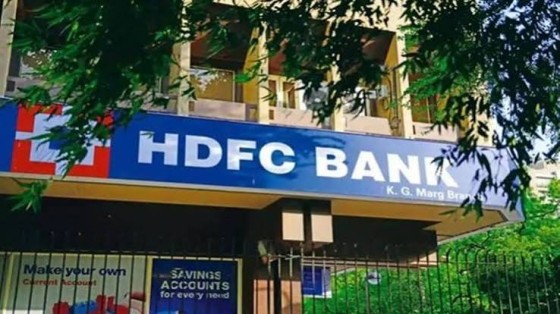
RBI Expected to Review HDFC Bank CEO Reappointment Proposal Following Board Recommendation
The Reserve Bank of India (RBI) is expected to review HDFC Bank's proposal for the reappointment of its Managing Director and Chief Executive Officer after the bank's board completes its internal evaluation and formally submits its recommendation.
Leadership continuity at India's largest private-sector bank has become an important topic for investors, regulators, and market participants, particularly as the bank continues to integrate long-term growth initiatives and strengthen its governance framework.
The regulatory review will form the final stage of the reappointment process before a fresh term can be approved.
Board Review Before RBI Submission

Before any proposal reaches the RBI, HDFC Bank's board is responsible for evaluating the performance, leadership, and suitability of the chief executive for another term.
The board's assessment generally includes:
- Leadership performance
- Financial and operational execution
- Corporate governance standards
- Regulatory compliance
- Risk management practices
- Strategic direction
- Succession planning
- Long-term shareholder interests
Once the board finalises its decision, the recommendation is submitted to the RBI for regulatory consideration.
RBI's Role in CEO Appointments
The Reserve Bank of India plays an important role in approving appointments and reappointments of chief executives at private-sector banks.
The regulator typically evaluates:
- Professional experience
- Leadership capability
- Governance standards
- Regulatory track record
- Financial integrity
- Risk management expertise
- Overall suitability for the position
The approval process is designed to ensure that leadership at systemically important financial institutions meets regulatory expectations.
Why the Proposal Is Closely Watched
HDFC Bank remains one of India's most significant financial institutions, making leadership decisions particularly important for the banking sector.
Market participants are monitoring the process because leadership continuity can influence:
- Business strategy
- Investor confidence
- Customer trust
- Operational stability
- Long-term growth plans
- Corporate governance
- Market sentiment
A timely resolution would provide greater certainty regarding the bank's future leadership.
Governance Remains a Key Focus
Corporate governance continues to be an important consideration in the banking industry.
Strong governance frameworks help banks:
- Maintain regulatory compliance
- Improve transparency
- Strengthen board oversight
- Protect stakeholder interests
- Enhance risk management
- Support sustainable growth
The board's review process reflects the importance placed on governance standards before making leadership recommendations.
Leadership and Strategic Priorities
The chief executive plays a central role in executing the bank's long-term business strategy.
Key priorities include:
- Digital transformation
- Credit growth
- Deposit mobilisation
- Customer experience
- Operational efficiency
- Risk management
- Technology investment
- Sustainable profitability
Leadership continuity can support the consistent execution of these strategic initiatives.
Impact on Investors
Investors typically monitor leadership developments at major financial institutions because executive appointments can influence long-term business performance.
Areas attracting investor attention include:
- Timing of the board recommendation
- RBI approval process
- Future strategic direction
- Corporate governance developments
- Financial performance
- Market confidence
- Management commentary
- Succession planning
Official disclosures from the bank and the regulator will remain the primary source of information regarding the process.
Broader Banking Sector Significance
CEO appointments at leading banks often receive considerable attention because they reflect broader governance practices across the financial sector.
The regulatory framework seeks to promote:
- Strong management oversight
- Stable financial institutions
- Responsible corporate governance
- Effective risk controls
- Long-term financial stability
These principles contribute to confidence in India's banking system.
What Stakeholders Should Watch
The next stages of the process are expected to include:
- Completion of the board's internal review
- Formal recommendation by the board
- Submission of the proposal to the RBI
- Regulatory evaluation
- Official approval or further observations
- Public announcements by the bank
The timeline will depend on the completion of both the internal and regulatory review processes.
Outlook
The RBI's review of HDFC Bank's CEO reappointment proposal is expected to remain a closely watched development within India's banking sector. A clear regulatory decision would provide greater certainty regarding the bank's leadership while reinforcing confidence in governance and regulatory oversight.
Investors, customers, and industry observers are expected to monitor official announcements as the process moves toward completion.
Conclusion
The expected RBI review represents the final regulatory stage in HDFC Bank's CEO reappointment process after the board completes its recommendation. As one of India's largest private-sector banks, HDFC Bank's leadership decisions carry significance for investors, customers, and the broader financial sector. The outcome will be important for ensuring continuity, maintaining governance standards, and supporting the bank's long-term strategic objectives.