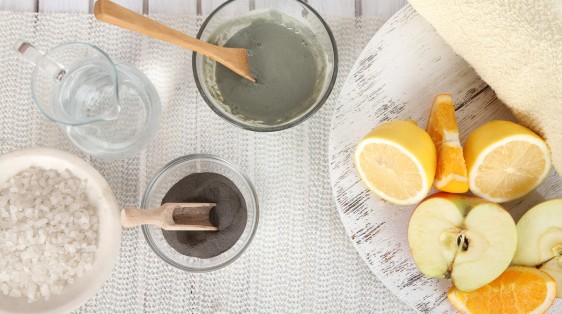
In an age where advanced skincare science and high-tech beauty tools dominate the market, an old favorite is quietly making a bold comeback: DIY beauty. From turmeric face masks to sugar scrubs and aloe vera gels, a new generation of beauty lovers—especially Gen Z—is rediscovering the joy and authenticity of homemade skincare.
But why, in the era of dermatologist-approved serums and clinical-grade ingredients, are we turning to kitchen staples again?
Back to Basics: The Appeal of Simplicity
At the heart of the DIY beauty resurgence is a desire for simplicity and control. In contrast to mass-produced, ingredient-heavy products, homemade remedies allow users to know exactly what they’re putting on their skin. For Gen Z and Millennials increasingly concerned about toxins, allergens, and synthetic chemicals, DIY offers peace of mind—and a nostalgic nod to beauty passed down by grandmothers and culture.
Viral Content and the TikTok Effect
Social media, particularly TikTok and Instagram Reels, has turned DIY beauty into a creative movement. Trending videos featuring oatmeal masks for sensitive skin, coffee scrubs for cellulite, and overnight hair oiling rituals using rosemary or amla oil have drawn millions of views.
Creators showcase these rituals not just for skincare benefits, but also as a form of self-care, mindfulness, and tradition. Whether it's blending avocados or applying honey masks, the process itself becomes a relaxing, shareable experience.
Clean Beauty’s Natural Evolution
The rise of clean beauty laid the groundwork for DIY’s return. As consumers demand ingredient transparency and minimal formulations, brands are being forced to simplify. DIY beauty pushes this trend to its logical extreme—zero preservatives, zero marketing fluff, 100% customization.
People with unique skin concerns, like eczema, rosacea, or acne, are also turning to home remedies when conventional products fail or cause irritation. Ingredients like aloe vera, tea tree oil, turmeric, clay, and yogurt are being celebrated for their gentle, time-tested benefits.
Budget Beauty in an Inflation Economy
With global economic pressures and rising skincare costs, DIY offers an affordable alternative. One banana and a tablespoon of honey may cost a fraction of an imported face mask but still provide similar hydrating effects. For students and teens experimenting with skincare, this budget-friendly approach is not only practical—it’s empowering.
Traditional Remedies Meet Modern Science
Interestingly, many DIY beauty practices rooted in Ayurveda, Traditional Chinese Medicine (TCM), and indigenous cultures are now being validated by dermatologists and cosmetic chemists. For example, turmeric’s anti-inflammatory properties or green tea’s antioxidants are increasingly featured in commercial products—something cultures have known for centuries.
This crossover is driving a hybrid trend: users begin with DIY and later transition to or mix in science-backed products, creating a personalized hybrid routine.
Risks and Realities: When DIY Goes Wrong
Despite its benefits, DIY beauty isn’t without drawbacks. Skin sensitivity, ingredient allergies, and poor hygiene practices can lead to breakouts, burns, or long-term damage. Dermatologists often warn against using lemon juice, baking soda, or undiluted essential oils on skin due to pH imbalance and irritation risks.
As a result, the smarter DIY consumer of 2025 is better informed, relying on community knowledge, patch testing, and dermatologist-TikTokers who review homemade hacks before they go viral.
Brands Take Notice: DIY-Inspired Kits and Customization Tools
Recognizing this shift, beauty brands are beginning to adapt rather than compete. Some now offer DIY-inspired kits with pre-measured ingredients, or customizable skincare tools that allow users to tweak base formulas at home. This convergence between consumer empowerment and brand expertise could be the future of skincare—a collaborative, educational space between nature and science.
Conclusion: DIY Beauty Isn’t Just Back—It’s Evolving
DIY beauty is more than a nostalgic trend. It’s a cultural reset—a response to overconsumption, a demand for transparency, and a desire for connection to nature and tradition. As skincare becomes more personal and conscious, the return of homemade beauty rituals reflects a deeper truth: sometimes, the simplest routines are the most powerful.