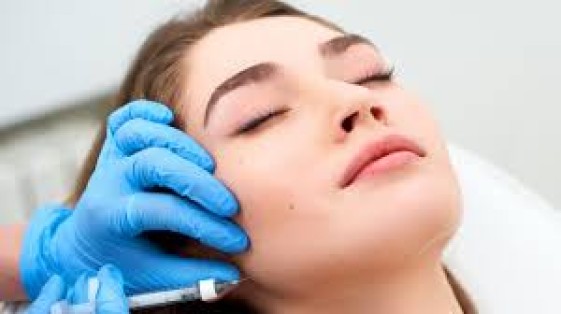
In a world obsessed with appearance, the line between self-improvement and artificial enhancement is growing increasingly blurred. As cosmetic surgery reaches new heights in popularity, the debate between embracing natural beauty and choosing surgical alteration is more relevant than ever. The rise of social media, changing beauty standards, and technological advancements have all contributed to the explosive growth of the global cosmetic surgery industry—now valued at over $63 billion and climbing.
The Numbers Behind the Boom
According to the International Society of Aesthetic Plastic Surgery, the number of cosmetic procedures globally has doubled in the past decade. Countries like South Korea, Brazil, and the United States lead the charts, but developing economies like India and Mexico are rapidly catching up. The demand spans everything from non-invasive treatments like Botox and fillers to more drastic procedures such as rhinoplasty, liposuction, and breast augmentation.
The Role of Social Media and Filters
One of the biggest drivers of the cosmetic surgery boom is the ubiquitous influence of social media. Platforms like Instagram, TikTok, and Snapchat are not just places to connect—they're beauty battlegrounds. Filters and editing tools present idealized versions of the self, leading many to seek permanent changes that reflect their online appearance. Dubbed the “Instagram Face,” a homogenized look characterized by plump lips, high cheekbones, and flawless skin has become aspirational for millions.
Mental Health, Confidence, and the Body Image Debate
While some advocate for cosmetic procedures as empowering acts of self-expression and confidence-building, others raise concerns about mental health. Studies show a strong link between body dysmorphia and elective cosmetic surgery. Critics argue that the normalization of surgery undermines natural diversity and reinforces narrow standards of beauty.
However, many patients report increased self-esteem, social confidence, and even professional advancement following aesthetic procedures. This nuanced reality makes it clear that motivations for surgery are deeply personal and often rooted in complex socio-psychological dynamics.
Cultural Shifts and the Power of Choice
Beauty standards vary across the globe, and so do the attitudes toward cosmetic surgery. In South Korea, for example, surgery is so common it’s considered a graduation gift. In the West, there’s a growing embrace of natural beauty, but also a parallel movement celebrating “tweakments”—subtle procedures that enhance without transforming.
What’s becoming evident is a shift in perception: plastic surgery is no longer taboo but a lifestyle choice. Reality TV stars, influencers, and even everyday professionals are open about their procedures, helping to demystify the process and reduce stigma.
Technology, Safety, and Accessibility
Modern techniques have made cosmetic procedures safer, faster, and more affordable. Innovations such as 3D facial scanning, robotic-assisted surgery, and non-invasive methods are lowering the risks and costs involved. Medical tourism has also made it possible for people to travel abroad for cheaper, high-quality surgery, further fueling demand.
Natural Beauty: A Movement or a Reaction?
At the same time, a counterculture promoting natural beauty, body positivity, and self-acceptance is gaining momentum. Celebrities like Alicia Keys, who advocate for makeup-free appearances, are challenging the mainstream narrative. Campaigns like Dove’s “Real Beauty” continue to inspire individuals to embrace their unfiltered selves.
This dichotomy—between celebrating authenticity and reshaping one’s image—is not just a cultural debate, but a personal one. The truth is, the choice between plastic surgery and natural beauty isn’t binary; it reflects deeper desires for agency, acceptance, and identity.
Conclusion: Redefining Beauty on Your Terms
The global cosmetic surgery boom is not merely about vanity—it’s about values, identity, and autonomy. Whether one chooses to go under the knife or wear their natural features proudly, the beauty industry must evolve to support diverse definitions of attractiveness. In a world increasingly shaped by digital ideals and real-world expectations, the future of beauty might lie in the freedom to define it on your own terms.