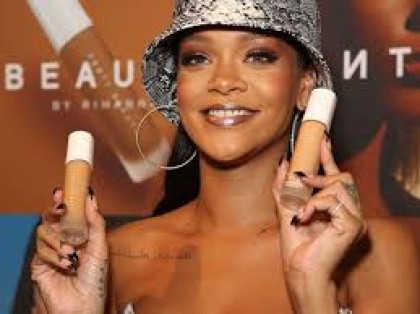
For decades, the beauty industry operated with an unspoken bias — fairer complexions were catered to, while deeper skin tones were ignored. But in 2017, Fenty Beauty by Rihanna changed everything. With a groundbreaking launch of 40 foundation shades (now expanded to 50+), the brand didn’t just sell cosmetics — it sold inclusion. And consumers responded with roaring approval. This wasn’t just a product launch — it was a cultural reset.
Before Fenty: The Industry's Diversity Blind Spot
For years, mainstream makeup brands offered foundations that barely extended beyond medium beige. Deeper tones, undertones like olive or red, and inclusive concealers were treated as niche — if acknowledged at all.
Customers of color were left to:
-
Mix multiple shades to match their skin
-
Settle for mismatched tones
-
Or avoid foundation altogether
The message was clear: the beauty world didn’t see everyone. And it showed — both on shelves and in advertising.
Fenty Beauty: The Catalyst for Change
When Rihanna launched Fenty Beauty with a 40-shade foundation range called Pro Filt’r Soft Matte Longwear Foundation, it wasn’t just a PR stunt — it was a commitment. From the outset, the brand celebrated Black, Brown, Asian, Arab, and Albino beauty. Models represented every skin tone, every undertone, and every background.
Within weeks:
-
The deepest shades sold out first
-
Social media exploded with praise
-
Other brands scrambled to catch up
The industry finally had its wake-up call: diversity isn’t a niche — it’s the norm.
How the Market Responded
The ripple effect was massive:
-
L’Oréal, Maybelline, and Dior expanded their shade ranges rapidly
-
CoverGirl launched the “Queen Collection” focused on deeper tones
-
MAC increased its marketing around already extensive shade options
-
Newer Indian brands like Kay Beauty and SUGAR Cosmetics focused on inclusive tones for Indian skin
-
Even skincare brands began addressing melanin-rich skin concerns
Inclusivity became not just the ethical thing to do — but the profitable thing.
More Than Just Shades: Inclusion in Branding
Fenty's genius wasn’t just in shade variety. It was also in messaging:
-
Unretouched models
-
LGBTQ+ representation
-
Cultural authenticity without tokenism
Today’s customers don’t just buy foundation — they buy brands that see them.
India's Turn Toward Inclusivity
India’s beauty industry, long dominated by fairness creams and Eurocentric ideals, is slowly shifting.
Brands like:
-
Nykaa expanded its range with skin tones across India’s rich spectrum
-
e.l.f. India, Plum, and Dot & Key began marketing to darker complexions and oily/acne-prone skin
-
Influencers like Deepica Mutyala and Siddharth Batra became face-first activists for inclusion
The message is clear: Dusky is beautiful. Tan is radiant. Brown is powerful.
Critics Say There's Still Work to Be Done
While Fenty changed the game, not every brand followed through meaningfully:
-
Some released 40 shades but only marketed 5
-
Others launched dark shades with poor undertone matching
-
“Inclusive” often meant representation in ad campaigns, not in product availability
Tokenism remains a risk — and Gen Z and millennials call it out fast.
Beyond Shades: Expanding the Conversation
True inclusion now means:
-
Adaptive makeup for skin conditions like vitiligo, rosacea, and acne
-
Products for gender-neutral and transgender communities
-
Beauty campaigns that normalize disability, scars, body hair, and hyperpigmentation
Inclusion isn’t a trend — it’s the future of business, beauty, and branding.
Conclusion: From Buzzword to Baseline
The impact of inclusive shades goes far beyond makeup counters. It signals a paradigm shift in how people are seen, celebrated, and sold to. In a world where identity is power, makeup has become more than vanity — it’s visibility.
Thanks to trailblazers like Fenty, consumers are no longer asking to be seen — they’re demanding it. And the brands that listen? They're winning more than market share — they're winning loyalty, relevance, and respect.