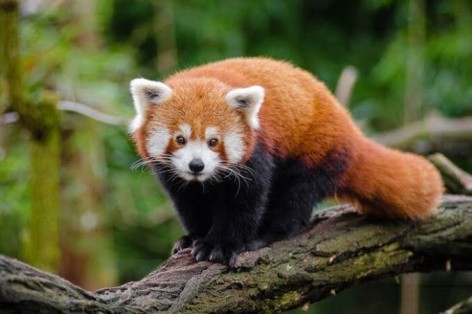
High in the misty forests of the Eastern Himalayas, a small, elusive creature roams the treetops—the red panda. Known for its fluffy red fur, masked face, and bushy tail, this adorable yet endangered species faces severe threats from habitat loss, poaching, and climate change. But one institution is making a remarkable effort to save them—the Padmaja Naidu Himalayan Zoological Park (Darjeeling Zoo).
Why Are Red Pandas Endangered?
Red pandas, native to the Eastern Himalayas and parts of China, have seen their population decline by nearly 50% in the last two decades. The biggest threats include:
-
Deforestation & Habitat Destruction – Expanding human settlements and agriculture have shrunk their forest homes.
-
Illegal Wildlife Trade – Poachers hunt red pandas for their fur and as exotic pets.
-
Climate Change – Rising temperatures disrupt their bamboo-based diet and natural habitat.
Darjeeling Zoo’s Mission to Save the Red Panda
Recognized globally for its high-altitude species conservation, the Darjeeling Zoo is at the forefront of red panda rescue and breeding. Their efforts include:
-
Captive Breeding Program – The zoo has successfully bred over 25 red pandas, many of which have been reintroduced into the wild in the Singalila National Park.
-
Rehabilitation & Release – Rescued pandas are rehabilitated, monitored, and prepared for release into protected forests.
-
Habitat Protection – The zoo collaborates with local communities and forest officials to safeguard the remaining forests.
-
Education & Awareness – Programs to educate people about co-existing with wildlife and reducing human impact.
A Beacon of Hope for Himalayan Wildlife
The success of Darjeeling Zoo’s red panda conservation has inspired similar projects across the region. By combining scientific breeding techniques, forest conservation, and community participation, they are ensuring that these gentle, tree-dwelling creatures continue to thrive in their natural habitat.
As efforts grow, the zoo hopes to expand conservation zones, plant more bamboo forests, and secure a safer future for the red panda—one of the Himalayas' most enchanting yet endangered residents.