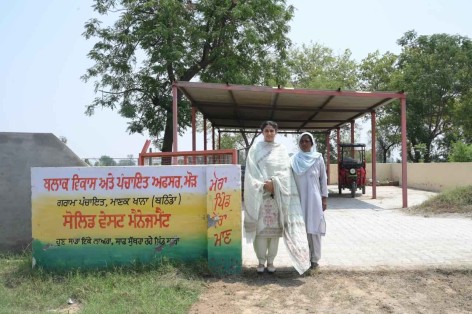
Ex-Sarpanch's Innovative Nameplate Initiative Empowers Women in Punjab Village
In the heart of Punjab's Bathinda district lies Manak Khana, a village that has become a beacon of women's empowerment, thanks to the visionary efforts of its former sarpanch, Sheshandeep Kaur Sidhu. At just 22 years old, Sheshandeep shattered stereotypes by becoming the first woman to hold this position in her village. Her tenure marked the beginning of transformative initiatives aimed at uplifting the status of women in her community.
A Vision for Change
Upon assuming office in 2019, Sheshandeep was acutely aware of the entrenched gender norms that often relegated women to the background. Inspired by the progressive roles of women she observed during her education in Delhi, she aspired to replicate such empowerment in Manak Khana. "I wished to create a space where women could not only feel empowered but also lead with dignity," Sheshandeep remarked.
The Nameplate Initiative
One of her most impactful projects was the introduction of nameplates bearing the names of the eldest women in each household. Traditionally, homes displayed nameplates with the male head's name, symbolizing patriarchal dominance. By replacing these with the names of women, Sheshandeep sought to challenge and change societal perceptions.
The initiative saw the installation of over 110 such nameplates throughout the village. For many women, this was the first time their identities were publicly acknowledged in such a manner. Amarjit Kaur, a 67-year-old resident, expressed her joy: "When I saw the nameplate with my name on it, I was over the moon. For the first time, people ask for me by my name."
Community Impact and Reception
Initially, there were apprehensions about how the community would react to this bold move. However, the villagers embraced the change, recognizing its significance. The nameplates became more than just markers; they symbolized a shift towards gender equality and respect for women's contributions.
Beyond the nameplates, Sheshandeep's leadership led to the formation of an 11-member committee dedicated to ensuring women's voices were heard in local governance. Regular gram sabha meetings were convened, and welfare schemes targeting women and girls were introduced. Notably, a library named after the esteemed Punjabi writer Amrita Pritam was established, offering resources to inspire and educate the community.
A Legacy of Empowerment
Sheshandeep's initiatives have left an indelible mark on Manak Khana. By challenging traditional norms and advocating for women's visibility and recognition, she has paved the way for future generations to pursue their aspirations without societal constraints. Her story serves as a testament to the profound impact that thoughtful, community-driven actions can have in fostering gender equality and empowerment.