Decentralized Finance Explained for Beginners
Imagine a world where you don’t need banks to borrow, lend, or invest money—welcome to Decentralized Finance (DeFi). Built on blockchain technology, DeFi is reshaping how the financial system works by removing the middlemen.
At its core, DeFi uses smart contracts—automated agreements written in code—to let people interact directly with each other. Instead of asking a bank for a loan, you can use a DeFi platform like Aave or Compound to borrow instantly by putting up crypto as collateral. Want to earn interest? You can become a lender yourself and earn returns higher than many savings accounts.
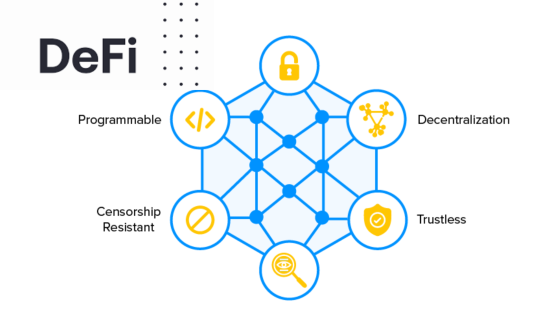
Here’s what makes DeFi powerful:
-
No banks or brokers: You control your money.
-
Global access: Anyone with internet and a crypto wallet can join.
-
24/7 markets: Trade, lend, or borrow anytime, anywhere.
-
Transparent systems: Everything is on the blockchain—fully public and trackable.
Popular tools in DeFi include Uniswap (for trading), MakerDAO (for stablecoins), and Curve (for yield farming). But with great power comes great risk—DeFi is volatile, and smart contract bugs or market crashes can lead to loss.
Still, for many, the benefits of autonomy, privacy, and innovation outweigh the risks. As more people learn how DeFi works, it's becoming a serious challenger to traditional finance.
If you’re new to crypto, DeFi is your chance to understand how the future of finance is being rebuilt—block by block.