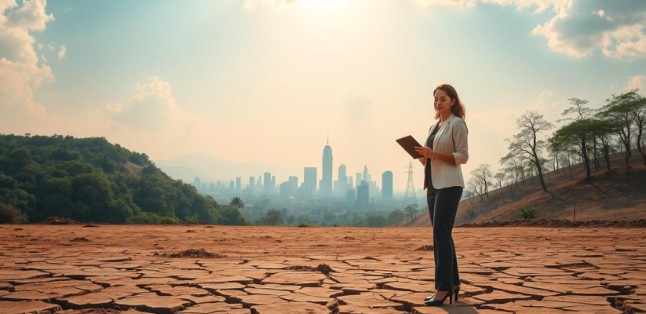
India is facing an environmental crisis due to the escalating climate crisis. As the world grapples with the challenges of a changing environment, India's situation is particularly concerning.
The Climate Action Tracker (CAT) has rated India's efforts to combat climate change as "Insufficient." This rating underscores the need for more effective policy design and implementation to meet the critical 1.5°C temperature limit.
As we approach 2026, it is crucial to assess the environmental impact of current policies and actions. The need for robust environmental solutions has never been more pressing.
Key Takeaways
- India's climate change policies are currently rated as "Insufficient" by the Climate Action Tracker.
- The need for effective environmental solutions is critical to mitigate the climate crisis.
- Meeting the 1.5°C temperature limit requires immediate and impactful policy changes.
- Assessing the environmental impact of current policies is essential for future planning.
- Robust environmental solutions are necessary to address the escalating climate crisis.
The Current State of Climate Change in India
India's climate is undergoing significant changes, evident in rising temperatures and altered precipitation patterns. The country is experiencing the impacts of global warming, with far-reaching consequences for the environment, public health, and the economy.
Key Climate Indicators and Trends
Understanding the current state of climate change in India requires examining key climate indicators and trends. Two critical areas of focus are temperature and rainfall patterns in recent years and greenhouse gas emission statistics.
Temperature and Rainfall Patterns in Recent Years
Recent years have seen a notable increase in temperature across India, with many regions experiencing above-average temperatures. For instance, the year 2022 witnessed record-breaking heatwaves in several parts of the country. Additionally, rainfall patterns have become more erratic, leading to both severe droughts and intense flooding events. These changes are attributed to the broader context of global warming, which is altering weather patterns worldwide.
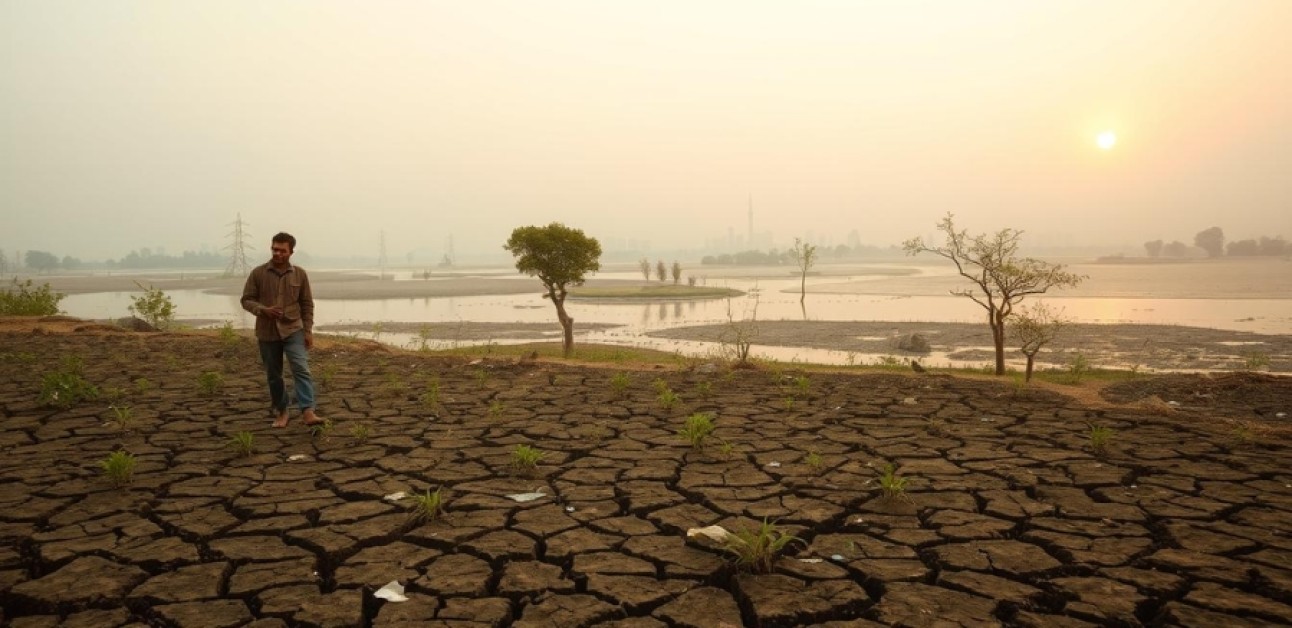
India is a significant contributor to greenhouse gas emissions, with its emissions projected to be around 4.4–4.6 GtCO2e in 2030 under current policies. This indicates a need for substantial improvements in climate policies and actions to reduce emissions and meet India's climate goals. Implementing effective emission reduction strategies is crucial for mitigating the impacts of climate change.
By understanding these trends and statistics, India can better prepare for the challenges posed by climate change and work towards a more sustainable future.
Global Climate Change Projections for 2026
With 2024 recorded as the warmest year globally, projections for 2026 suggest continued climate escalation. The world is experiencing an exceptionally high warming trend, and understanding these projections is crucial for mitigating the impacts of climate change.
Temperature Rise Predictions
The global temperature is expected to continue rising, with significant implications for ecosystems and human societies. According to current trends, the average global temperature could increase by at least 1.5°C above pre-industrial levels by 2026, highlighting the urgent need for climate action.
Global Warming Thresholds and Tipping Points
Exceeding the 1.5°C threshold could trigger irreversible changes, including the melting of polar ice caps and the collapse of critical ecosystems. It is essential to understand these tipping points to develop effective strategies for mitigating climate change.
The following table outlines the projected global warming thresholds and potential tipping points:
| Threshold | Projected Impact | Tipping Point |
|---|---|---|
| 1.5°C | Severe weather events, sea-level rise | Coral reef collapse |
| 2°C | Extreme heatwaves, water scarcity | Arctic ice cap melting |
| 3°C | Catastrophic climate disruptions | Amazon rainforest die-off |
Understanding these projections and thresholds is vital for developing targeted climate strategies. By analyzing these trends, we can better prepare for the challenges ahead and work towards reducing global warming.
Climate Change 2026: India-Specific Projections
Climate change projections for India in 2026 highlight the need for region-specific strategies to address its environmental impact. India's diverse geography, from the Himalayas to coastal regions, makes it particularly vulnerable to the effects of climate change.
Regional Variations Across Indian States
India's climate change impact varies significantly across different regions. The Himalayan region and coastal states are particularly vulnerable due to their unique geography.
Northern India: Himalayan Impact Assessment
The Himalayan region is experiencing significant changes due to climate change, including glacier melting and altered precipitation patterns. This has far-reaching implications for water resources and biodiversity.
- Increased risk of glacial lake outburst floods
- Changes in river flow affecting downstream communities
- Loss of biodiversity due to changing ecosystems
Coastal States: Vulnerability Analysis
Coastal states in India are vulnerable to sea-level rise and increased storm intensity. This poses significant risks to coastal communities, infrastructure, and ecosystems.
"The impacts of climate change on coastal regions are multifaceted, requiring comprehensive adaptation and mitigation strategies."
Key vulnerabilities include:
- Displacement of coastal populations
- Damage to infrastructure and property
- Loss of livelihoods in fishing and tourism industries
Understanding these regional variations is crucial for developing targeted climate change mitigation and adaptation strategies across Indian states.
Agricultural Impact in India by 2026
As climate change intensifies, India's agricultural sector is poised to face significant challenges by 2026. The country's agricultural productivity is highly vulnerable to climate variability, which can lead to fluctuations in crop yields and impact food security.
Crop Yield Projections for Major Indian Staples
Climate change is expected to impact crop yields, with rice and wheat production being particularly vulnerable. Rising temperatures and changing precipitation patterns will alter the growing conditions for these crops.
Rice and Wheat Production Forecasts
Rice and wheat are staple crops in India, and their production is crucial for the country's food security. Studies indicate that by 2026, the yield of these crops could decline due to changing climate conditions. Implementing climate-resilient agricultural practices will be essential to mitigate these impacts.
Cash Crop Vulnerability Assessment
Cash crops such as cotton, sugarcane, and tea are also likely to be affected by climate change. These crops are not only important for the economy but also for the livelihoods of millions of farmers. Assessing their vulnerability is crucial for developing targeted sustainability solutions.
The impact of climate change on agriculture in India by 2026 underscores the need for adaptive strategies. This includes adopting climate-smart agriculture techniques, improving irrigation facilities, and promoting crop insurance programs to protect farmers' livelihoods.
Water Resources: Challenges and Vulnerabilities
The vulnerability of India's water resources to climate change is a pressing concern. Rising temperatures and changing precipitation patterns are altering the availability and distribution of water across the country.
River Systems and Groundwater Projections
India's major river systems, such as the Ganges-Brahmaputra basin, are crucial for the country's water supply. However, these systems are facing significant challenges due to climate change.
Ganges-Brahmaputra Basin Changes
The Ganges-Brahmaputra basin is experiencing changes in river flow and sediment transport due to melting glaciers and altered rainfall patterns. This affects the water availability for millions of people dependent on these rivers.
Groundwater Depletion Forecasts
Groundwater depletion is another critical issue, with forecasts indicating continued decline due to over-extraction and reduced recharge rates. This has serious implications for India's agricultural sector and drinking water supplies.
Projected Changes in Water Resources by 2026
| Region | Projected Change in River Flow | Groundwater Depletion Rate |
|---|---|---|
| Ganges-Brahmaputra Basin | -10% to +5% | 1.2 meters/year |
| Peninsular India | -5% to -15% | 0.8 meters/year |
Effective management of water resources is crucial to mitigate the impacts of climate change. This includes improving water storage infrastructure, enhancing groundwater recharge, and promoting water conservation practices.
By understanding the challenges and vulnerabilities of India's water resources, policymakers and stakeholders can develop targeted strategies to address these issues and ensure a more sustainable future.
Public Health Implications of Climate Change in India
India's public health sector is on the frontline of the climate crisis, facing increased threats from vector-borne diseases. As temperatures rise and weather patterns become more unpredictable, the spread of diseases like malaria and dengue is expected to escalate.
Vector-Borne Disease Spread by 2026
By 2026, the changing climate is projected to increase the incidence of vector-borne diseases in India. Warmer temperatures and altered precipitation patterns create ideal conditions for the vectors that spread these diseases.
- Increased mosquito populations: Rising temperatures and changing rainfall patterns can lead to an increase in mosquito populations, thereby increasing the risk of malaria and dengue.
- Expanded disease geography: As temperatures rise, regions that were previously too cool for certain diseases may become suitable, expanding the geographic range of vector-borne diseases.
Malaria and Dengue Expansion Projections
Specifically, malaria and dengue are expected to see significant increases. Studies project that areas with historically low incidence rates may see a surge in cases due to changing environmental conditions.
The public health implications of these changes are profound. To mitigate these risks, India must adopt climate-resilient public health measures, including enhanced surveillance, improved healthcare infrastructure, and public awareness campaigns.
By understanding the link between climate change and public health, policymakers can develop targeted interventions to protect vulnerable populations and reduce the burden of vector-borne diseases.
Coastal Regions and Sea Level Rise by 2026
The looming specter of sea level rise is set to redefine the landscape of India's coastal regions, with significant implications for the environment and human settlements. As global temperatures continue to rise, the melting of glaciers and ice sheets contributes to an increase in sea levels, posing a substantial threat to coastal ecosystems and communities.
Vulnerable Coastal Communities in India
India's coastal regions are home to a diverse range of ecosystems and communities, many of which are highly vulnerable to the impacts of sea level rise. The consequences include erosion, flooding, and saltwater intrusion into freshwater sources.
Mumbai and Chennai Risk Assessment
Cities like Mumbai and Chennai are at significant risk due to their dense populations and infrastructure. Rising sea levels could lead to more frequent and severe flooding, displacing residents and causing significant economic losses.
- Increased flood risk due to higher sea levels and more intense storms
- Potential for significant economic losses due to damage to infrastructure
- Displacement of populations living in low-lying areas
Sundarbans Ecosystem Threats
The Sundarbans, a unique and biodiverse ecosystem, faces significant threats from sea level rise. Rising waters could lead to the loss of habitat for numerous species, including the endangered Bengal tiger.
- Habitat loss due to rising sea levels
- Increased salinity affecting plant and animal life
- Potential for increased human-wildlife conflict as animals are displaced
Addressing these challenges will require concerted efforts to adapt to the impacts of climate change, including the development of climate-resilient infrastructure and the protection of natural ecosystems.
Economic Impact of Climate Change on India
India's economy is on the cusp of significant challenges due to climate change, which could alter its growth trajectory. As the country continues to develop, it faces increasing vulnerability to climate-related disruptions.
GDP Projections and Climate Vulnerability
The economic impact of climate change on India's GDP is a pressing concern. Studies indicate that rising temperatures and extreme weather events could lead to substantial losses in economic output.
Sector-Specific Economic Losses
Various sectors of the Indian economy are likely to be affected, including agriculture, manufacturing, and services. For instance, agriculture, a significant contributor to India's GDP, is highly susceptible to climate variability, potentially leading to crop yield reductions and economic losses.
Climate Finance Requirements
To mitigate these impacts, India will require significant climate finance to support adaptation and resilience-building efforts. As stated by a recent report, "Climate finance is crucial for supporting developing countries like India in their efforts to reduce greenhouse gas emissions and adapt to the impacts of climate change."
"The need for climate finance is not just about mitigation; it's also about adaptation and building resilience in the face of climate change."
Investing in climate resilience can yield significant economic benefits, including reduced losses and improved productivity. Thus, mobilizing climate finance is essential for India's economic stability and growth.
Renewable Energy Solutions for India
With a target of 500 GW of non-fossil energy capacity by 2030, India is on a path to revolutionize its energy landscape. Renewable energy solutions are critical to achieving this ambitious goal. India's renewable energy goals are driving innovation and investment in the sector, with a particular focus on solar energy.
Solar Energy Potential and Growth by 2026
India has vast solar energy potential, with several states having high solar irradiance levels. The government's initiatives, such as the National Solar Mission, have been instrumental in promoting solar energy adoption.
National Solar Mission Progress
The National Solar Mission has made significant progress since its inception, with a substantial increase in solar energy capacity. The mission aims to reduce the cost of solar energy and make it more accessible to the masses.
Rooftop Solar Adoption Trends
Rooftop solar adoption is gaining momentum in India, driven by government incentives and declining solar panel costs. This trend is expected to continue, with more households and businesses adopting rooftop solar solutions.
Solar energy is becoming increasingly cost-competitive with fossil fuels, making it an attractive option for India's energy needs. The growth of solar energy is expected to contribute significantly to India's renewable energy goals.
Carbon Footprint Reduction Strategies
India's commitment to mitigating climate change hinges on effective carbon footprint reduction strategies. As the country continues to grow economically, it faces the challenge of balancing development with environmental sustainability. One of the key areas of focus is reducing emissions from industries, which are significant contributors to India's carbon footprint.
Industrial Emission Control Measures
Implementing stringent industrial emission control measures is crucial for reducing India's carbon footprint. Industries can adopt cleaner production technologies and practices to minimize emissions. For instance, improving energy efficiency in manufacturing processes and switching to cleaner fuels can significantly reduce industrial emissions.
Carbon Pricing Mechanisms for Indian Industries
A carbon pricing mechanism is an effective tool for encouraging industries to reduce their emissions. By putting a price on carbon, industries are incentivized to adopt cleaner technologies and practices. India can explore various carbon pricing mechanisms, such as carbon taxes or cap-and-trade systems, tailored to its industrial landscape.
The implementation of these mechanisms requires careful planning and coordination among policymakers, industries, and other stakeholders. It is also essential to ensure that the transition to a low-carbon economy is just and equitable, supporting workers and communities that might be affected by the changes in industrial practices.
By adopting carbon footprint reduction strategies, including industrial emission control measures and carbon pricing mechanisms, India can make significant strides towards a more sustainable future. These efforts will not only help mitigate climate change but also contribute to a healthier environment and improved public health.
India's Climate Policy Framework Towards 2026
As India moves towards 2026, its climate policy framework is poised to play a crucial role in determining the country's environmental future. The framework encompasses various national action plans and commitments that are designed to mitigate the impacts of climate change.
National Action Plans and Commitments
India has been proactive in its climate action initiatives, with a focus on sustainable development. The country's Nationally Determined Contributions (NDCs) are a key component of its climate policy, outlining specific targets for reducing greenhouse gas emissions and transitioning to renewable energy sources.
Nationally Determined Contributions (NDCs)
India's NDCs are ambitious, aiming to reduce the country's emissions intensity by 33-35% below 2005 levels by 2030. This commitment is supported by initiatives such as the promotion of renewable energy and enhancing energy efficiency across various sectors.
State-Level Climate Action Plans
In addition to national efforts, several Indian states have developed their own climate action plans, tailored to address regional vulnerabilities and opportunities. These plans include strategies for adapting to climate change and mitigating its impacts at the local level.
- State-specific initiatives for renewable energy deployment
- Programs aimed at enhancing climate resilience in agriculture
- Efforts to improve energy efficiency in industries
Effective implementation of these plans will be crucial in achieving India's climate goals. The success of these initiatives depends on coordinated efforts from government agencies, private sector entities, and local communities.
Grassroots Environmental Initiatives in India
The role of community-led initiatives in India's environmental conservation efforts cannot be overstated. As the country continues to face the challenges of climate change, grassroots movements are playing a vital role in promoting sustainability and resilience.
Community-Led Climate Action Projects
Community-led climate action projects are crucial for climate adaptation and resilience in India. These initiatives are driven by local communities and are tailored to address specific regional challenges.
Rural Adaptation Success Stories
Rural areas in India have seen significant success with community-led adaptation projects. For instance, initiatives focused on rainwater harvesting and sustainable agriculture have improved livelihoods and environmental health.
Urban Community Resilience Programs
In urban areas, community resilience programs have been instrumental in enhancing environmental sustainability. These programs often include waste management initiatives, green space development, and climate awareness campaigns.
Key Highlights of Grassroots Initiatives:
| Initiative Type | Location | Impact |
|---|---|---|
| Rainwater Harvesting | Rajasthan | Improved water security for local communities |
| Waste Management | Mumbai | Reduced urban pollution and enhanced cleanliness |
| Sustainable Agriculture | Punjab | Increased crop yields and reduced environmental degradation |
Community-led initiatives are not only environmentally beneficial but also foster community engagement and empowerment.
By supporting and scaling these grassroots environmental initiatives, India can make significant strides in its climate adaptation and mitigation efforts.
Technology and Innovation for Climate Resilience
As India faces the challenges of climate change, technology and innovation are playing a crucial role in enhancing climate resilience. The agricultural sector, being a significant contributor to India's economy, is a key area where these innovations are being applied.
Climate-Smart Agriculture Technologies
Climate-smart agriculture technologies are being adopted to improve agricultural productivity and resilience. These technologies include precision farming and drought-resistant crop development, which are critical for addressing the challenges posed by climate change.
Precision Farming Adoption Trends
Precision farming involves the use of advanced technologies such as GPS, drones, and IoT sensors to optimize crop yields and reduce waste. The adoption of precision farming is on the rise in India, with many farmers benefiting from increased efficiency and productivity.
Drought-Resistant Crop Development
Drought-resistant crops are being developed through genetic research and breeding programs. These crops are designed to thrive in water-scarce conditions, providing a vital safety net for farmers against the impacts of climate change.
The integration of technology and innovation in agriculture is not only enhancing climate resilience but also contributing to food security and sustainable development in India. As the country continues to face the challenges of climate change, the role of climate-smart agriculture technologies will become increasingly important.
Conclusion
India's climate change challenges require a multi-faceted approach, incorporating climate change adaptation and sustainability solutions to mitigate its far-reaching impacts.
As discussed, climate change affects various sectors in India, from agriculture and water resources to public health and the economy. Implementing climate change adaptation measures is crucial to enhance resilience and reduce vulnerability.
Sustainability solutions, such as renewable energy and climate-smart agriculture, can significantly reduce India's carbon footprint and promote sustainable development. A comprehensive approach, involving government policies, grassroots initiatives, and technological innovation, is necessary to address the complexities of climate change.
By adopting climate change adaptation and sustainability solutions, India can ensure a more resilient and sustainable future, minimizing the adverse effects of climate change on its population and economy.