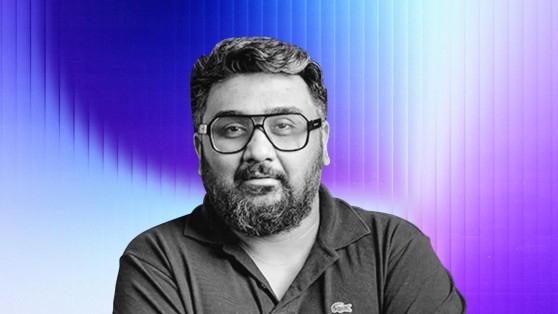
Kunal Shah to Lead WhatsApp Globally as Meta Backs CRED
Meta has named Kunal Shah, the Indian entrepreneur and CRED founder, as the new global head of WhatsApp. Announced on June 22, 2026, the appointment replaces Will Cathcart, who led the messaging platform for nearly seven years. The move arrives alongside a $900 million Meta investment in CRED that values the fintech at roughly $4.5 billion. Mark Zuckerberg said Shah's builder mentality suits the world's largest messaging app, which serves more than three billion users. The decision signals Meta's push to deepen payments and commerce inside WhatsApp.
Why Meta Picked Kunal Shah to Run WhatsApp
From FreeCharge to CRED Founder
Shah is one of the most recognizable names in India's startup economy. He founded FreeCharge, an early digital payments venture, before launching CRED in 2018. CRED rewards users who pay credit card bills on time and now counts around 17 million monthly active users. Beyond operating companies, Shah has backed more than 250 startups as an investor and holds advisory roles across technology and finance. Zuckerberg credited him with building CRED into one of India's most important technology companies. Meta is betting that experience scaling a consumer internet business in a complex market will translate to running a platform used across every continent.
Cathcart's Exit After Seven Years
Will Cathcart led WhatsApp since 2019 and oversaw a period of rapid growth. During his tenure the service expanded well past private messaging, adding Communities, Channels, and AI features while pushing into business messaging. Its user base more than doubled, climbing past three billion monthly users worldwide. Cathcart is not leaving Meta. The company says he will move into a new role building consumer products from the ground up, with a focus on artificial intelligence tools. A Meta spokesperson declined to detail the project. The handover marks the end of one of the longest leadership runs at any major messaging platform.
Inside Meta's $900 Million CRED Investment
How the CRED Deal Is Structured
The $900 million round gives Meta a stake of roughly 20 percent in CRED and values the company at about $4.5 billion post-money. Reports indicate the financing splits evenly between primary and secondary capital. Around $450 million would flow into CRED as fresh funding, while the remaining $450 million buys shares from existing investors. The valuation marks a recovery from CRED's reported $3.6 billion mark in 2025, though it sits below the 2022 peak of $6.4 billion [verify]. CRED has said Meta will not gain access to its customer financial data, positioning Meta as a financial investor rather than an operator in the fintech's daily affairs.
CRED's New Leadership Transition
Shah will step away from day-to-day operations at CRED to join Meta full-time, though he keeps his personal shareholding. Miten Sampat, who has overseen strategy and finance at CRED since 2020, takes over as interim chief executive with immediate effect. The company's board is reviewing its leadership structure with an eye toward an eventual public listing, according to the announcement. The dual news of a major investment and a high-profile departure has drawn wide attention across global venture capital circles. For CRED, the capital adds resources for growth and offers liquidity to early backers as it prepares for its next chapter without its founder at the helm.
A Vote of Confidence in India Tech
The deal also reflects sustained global investor appetite for India's technology sector, even as startup funding stays selective. Meta has steadily deepened its presence in the country, from the 2020 Jio Platforms stake to a recently announced plan to lease its first AI data center there. Backing CRED adds a recognizable fintech brand to that portfolio. For the wider ecosystem, a $4.5 billion valuation and a founder ascending to a top global role offer a confidence boost after a cautious funding stretch. The transaction shows that large strategic investors still see long-term value in the region's consumer internet companies.
What the Leadership Change Means for WhatsApp
Payments and Commerce Ambitions
Meta's choice points to a clear priority: turning WhatsApp into a stronger payments and commerce engine. WhatsApp Pay gained some traction but has struggled to match rivals in key markets, leaving room to grow. Shah's fintech background is central to the bet. The company wants someone who can weave payments, commerce, and AI directly into the app used by businesses and consumers alike. Meta has invested heavily to support this vision, including a $5.7 billion stake in Jio Platforms in 2020 aimed at expanding commerce on WhatsApp. The CRED investment extends that strategy, linking Meta to a founder who built payment products at scale.
Why India Matters to the Strategy
India is both WhatsApp's biggest user base and a fierce payments battleground. Local rivals like PhonePe and Google Pay dominate digital transactions there. Shah understands that landscape from years of building fintech products. Meta hopes his read on one of the world's toughest payment markets can guide features that travel well to other regions, from Brazil to Indonesia, where similar dynamics play out.
A Global Test for WhatsApp's Future
WhatsApp serves more than three billion people worldwide, with users spread across Europe, Latin America, Africa, Asia, and beyond. India alone accounts for over 500 million of them, making it the single largest market. Meta's chief product officer reportedly sought Shah's advice on WhatsApp's future before offering him the top job. The appointment raises a global question: can a leader known for one market scale features that work everywhere? Shah inherits a platform central to Meta's commerce ambitions and its competition with regional payment players. How he balances messaging, privacy expectations, and monetization will shape WhatsApp's direction for years across every region it serves.
Conclusion
The appointment of Kunal Shah to lead WhatsApp ranks among the most significant leadership moves in global technology this year. It pairs a $900 million bet on CRED with a clear signal about where Meta wants its largest messaging app to head: deeper into payments, commerce, and AI. Shah brings a founder's instinct and a track record of building consumer products at scale, while Will Cathcart leaves behind a platform that grew past three billion users. The transition carries real risk, since scaling features across diverse markets is rarely simple. Yet Meta has clearly decided that fresh, founder-led thinking is worth the gamble. The world's largest messaging service now enters a new chapter, watched closely by users, businesses, and regulators alike.