What Is Artificial Intelligence? Meaning, Applications, Benefits and Future Explained
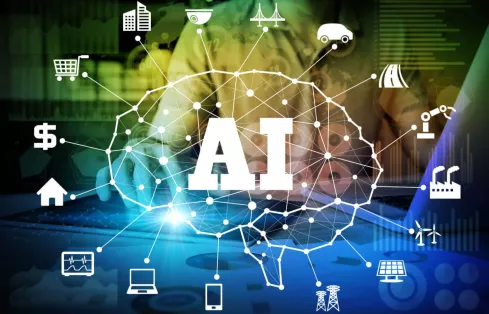
Artificial Intelligence (AI) refers to the capability of computer systems to perform tasks that traditionally require human intelligence, such as learning, reasoning, problem-solving, understanding language, recognizing images, and making decisions. Over the past decade, AI has evolved from an emerging technology into a key driver of innovation across industries including healthcare, finance, manufacturing, retail, education, and transportation. As businesses increasingly adopt AI-powered solutions to improve efficiency and customer experiences, the technology is reshaping how people work, communicate, and make decisions.
Understanding Artificial Intelligence
Artificial Intelligence is a branch of computer science focused on creating systems capable of simulating aspects of human intelligence. Unlike traditional software that follows predefined rules, AI systems can analyze large volumes of data, identify patterns, and improve their performance through experience.
How Artificial Intelligence Works
AI systems rely on algorithms, data, and computing power to recognize patterns and generate predictions or decisions. They process vast datasets to identify relationships, enabling them to perform tasks such as language translation, fraud detection, image recognition, and recommendation generation with increasing accuracy.
Types of Artificial Intelligence
Artificial Intelligence is generally categorized into Narrow AI, General AI, and Super AI. Narrow AI is designed for specific tasks and is the most widely used form today. General AI, capable of performing any intellectual task a human can do, remains under development. Super AI is a theoretical concept representing intelligence that surpasses human capabilities.
Key Technologies Behind AI
Several technologies work together to make Artificial Intelligence systems effective across different industries.
Machine Learning
Machine Learning enables systems to learn from historical data without explicit programming. It is widely used in recommendation engines, predictive analytics, fraud detection, and demand forecasting.
Deep Learning
Deep Learning uses multi-layered neural networks to process complex data such as images, speech, and video. This technology powers facial recognition, autonomous vehicles, medical imaging, and advanced language processing.
Natural Language Processing
Natural Language Processing allows computers to understand, interpret, and generate human language. It supports virtual assistants, chatbots, document summarization, language translation, and customer support automation.
Applications of Artificial Intelligence
Artificial Intelligence has become an integral part of modern business operations and everyday life.
Healthcare
Hospitals and healthcare providers use AI to assist in medical imaging, disease detection, patient monitoring, drug discovery, and personalized treatment planning, helping improve healthcare outcomes and operational efficiency.
Financial Services
Banks and financial institutions apply AI for fraud detection, credit risk assessment, algorithmic trading, customer support, and compliance monitoring. AI helps institutions process transactions more efficiently while improving security.
Manufacturing
Manufacturers use AI for predictive maintenance, quality inspection, supply chain optimization, and robotics. These applications reduce downtime, improve productivity, and lower operational costs.
Retail and E-commerce
Retail businesses leverage AI to personalize shopping experiences, forecast demand, optimize inventory, automate customer service, and improve pricing strategies based on consumer behavior.
Benefits of Artificial Intelligence
AI offers several advantages for businesses, governments, and consumers by improving efficiency and enabling smarter decision-making.
Improved Productivity
Automation of repetitive tasks allows employees to focus on strategic and creative work, increasing overall productivity while reducing manual effort.
Better Decision-Making
AI analyzes vast amounts of structured and unstructured data to provide actionable insights, enabling organizations to make faster and more informed decisions.
Enhanced Customer Experience
Businesses use AI-powered tools to deliver personalized recommendations, faster customer support, and tailored digital experiences that improve customer satisfaction and engagement.
Challenges and Risks
Despite its benefits, Artificial Intelligence also presents challenges that organizations must address responsibly.
Data Privacy and Security
AI systems depend heavily on data, making privacy protection, cybersecurity, and responsible data management essential priorities for businesses and policymakers.
Bias and Ethical Considerations
AI models can produce biased outcomes if trained on incomplete or unbalanced datasets. Organizations are increasingly focusing on transparency, fairness, and accountability when developing AI solutions.
Workforce Transformation
As AI automates routine tasks, employees will need new digital and analytical skills. Continuous learning and workforce reskilling are expected to play a critical role in adapting to AI-driven workplaces.
The Future of Artificial Intelligence
Artificial Intelligence is expected to become even more integrated into business operations, public services, scientific research, and consumer technology. Advances in computing power, data availability, and AI models will continue driving innovation across industries. Organizations that successfully adopt AI while maintaining strong governance, ethical standards, and regulatory compliance are likely to gain a significant competitive advantage in the digital economy.
Conclusion
Artificial Intelligence has evolved into one of the most transformative technologies of the modern era, changing how businesses operate and how people interact with digital systems. From healthcare and finance to manufacturing and retail, AI continues to unlock new opportunities for innovation, productivity, and economic growth. As adoption accelerates, responsible implementation, continuous innovation, and ethical governance will play a defining role in shaping the future of Artificial Intelligence across industries worldwide.