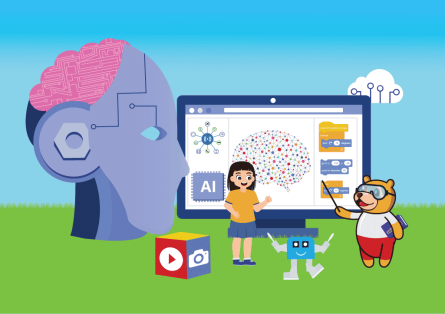
How to Use AI for Learning: A Complete Guide to Smarter and More Effective Education
Artificial Intelligence (AI) is transforming education by helping students, professionals, educators, and lifelong learners access knowledge more efficiently. From explaining complex concepts and creating personalized study plans to generating quizzes and summarizing textbooks, AI-powered tools make learning more engaging, flexible, and productive.
Rather than replacing teachers or traditional learning methods, AI acts as an intelligent learning assistant that supports understanding, practice, organization, and continuous skill development.
What Is AI for Learning?

AI for learning refers to the use of artificial intelligence technologies to support education, skill development, knowledge acquisition, and personalized learning experiences.
Modern AI learning tools use technologies such as natural language processing (NLP), machine learning, and generative AI to answer questions, explain concepts, create educational content, provide feedback, and adapt learning materials based on individual needs.
Why Use AI for Learning?
AI offers several advantages that enhance the learning experience.
- Personalized study support
- Faster access to information
- Interactive explanations
- Improved productivity
- Flexible learning schedules
- Continuous skill development
These benefits make AI valuable for learners of all ages and experience levels.
Ways to Use AI for Learning
1. Understand Complex Topics
AI can explain difficult subjects in simple language.
Examples include:
- Mathematics
- Science
- Programming
- Economics
- History
- Artificial Intelligence
Learners can request explanations at beginner, intermediate, or advanced levels.
2. Create Personalized Study Plans
AI helps organize learning by creating study schedules based on:
- Learning goals
- Available study time
- Current knowledge level
- Exam dates
- Skill gaps
- Subject priorities
Personalized plans make studying more structured and efficient.
3. Summarize Learning Materials
AI can summarize:
- Textbooks
- Research papers
- Lecture notes
- Articles
- Study guides
- Course materials
Summaries help learners review important concepts quickly.
4. Generate Practice Questions
AI creates learning exercises such as:
- Multiple-choice questions
- Short-answer questions
- Flashcards
- Practice quizzes
- Scenario-based questions
- Revision tests
Regular practice strengthens understanding and retention.
5. Improve Writing Skills
AI assists learners by:
- Correcting grammar
- Improving sentence structure
- Enhancing clarity
- Suggesting better vocabulary
- Organizing essays
- Reviewing reports
Students should ensure that submitted work reflects their own understanding and follows academic integrity policies.
6. Learn New Skills
AI supports learning in areas such as:
- Programming
- Foreign languages
- Business
- Marketing
- Design
- Communication
It provides explanations, examples, exercises, and feedback throughout the learning process.
7. Support Research
AI helps learners:
- Organize information
- Brainstorm ideas
- Summarize sources
- Compare concepts
- Explain terminology
- Create outlines
Important facts should always be verified using reliable and authoritative sources.
8. Track Learning Progress
AI can assist with:
- Progress monitoring
- Goal tracking
- Skill assessments
- Performance analysis
- Personalized recommendations
- Study reminders
These features encourage consistent improvement.
Benefits of Using AI for Learning
AI provides several important educational advantages.
Personalized Education
AI adapts learning materials and explanations to individual needs and learning styles.
Saves Time
Students can quickly access explanations, summaries, and practice materials.
Increases Engagement
Interactive learning experiences help maintain motivation and curiosity.
Improves Productivity
AI automates note-taking, content summarization, and study organization.
Supports Lifelong Learning
Professionals can continuously develop new skills throughout their careers.
Challenges of Using AI for Learning
Although AI offers many benefits, learners should recognize its limitations.
Accuracy
AI-generated explanations and answers should be verified, especially for advanced or specialized subjects.
Overreliance
Depending solely on AI may reduce independent thinking and problem-solving abilities.
Academic Integrity
Students should follow their institution's guidelines regarding AI-assisted learning and assignments.
Human Interaction
Teachers, mentors, and collaborative learning remain essential for comprehensive education.
Best Practices for Using AI for Learning
Follow these recommendations to maximize learning outcomes.
Use AI as a Study Assistant
Allow AI to support learning rather than complete work on your behalf.
Ask Specific Questions
Clear and detailed questions usually produce more helpful explanations.
Verify Important Information
Cross-check key facts, formulas, and references using trusted educational resources.
Practice Independently
Reinforce learning by solving problems and completing exercises without AI assistance.
Combine AI with Traditional Learning
Use textbooks, lectures, discussions, and practical experience alongside AI-powered tools.
Common Applications of AI for Learning
AI is widely used for:
- School education
- University studies
- Online learning
- Professional development
- Language learning
- Coding education
- Exam preparation
- Corporate training
- Research assistance
- Skill development
- Knowledge management
- Personalized tutoring
Future of AI in Learning
Artificial Intelligence is expected to make education even more personalized through adaptive learning systems, intelligent tutoring assistants, multilingual educational support, immersive learning experiences, predictive learning analytics, and deeper integration with digital classrooms and learning management systems. As AI continues to evolve, it will increasingly complement teachers and educational institutions while human guidance, critical thinking, collaboration, and creativity remain fundamental to meaningful learning.
Conclusion
AI is transforming learning by making education more accessible, personalized, and efficient. From explaining complex concepts and generating practice quizzes to summarizing study materials and organizing research, AI serves as a valuable learning assistant for students and professionals alike. When combined with critical thinking, independent practice, and guidance from educators, AI can significantly improve learning outcomes while supporting lifelong education and skill development.