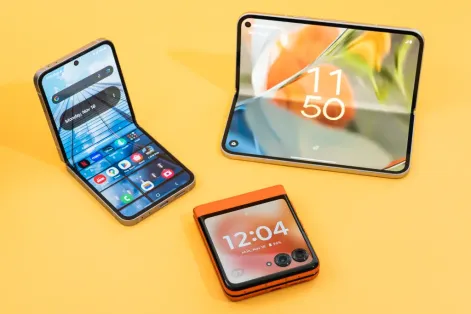
How Foldable Phones Are Shaping the Market
Not long ago, the idea of folding your smartphone in half seemed like a gimmick. Today, foldable phones are a rising force in the global tech market, redefining how we use and experience mobile devices. From Samsung’s Galaxy Z Fold to Google’s Pixel Fold and Motorola’s Razr reboot, the foldable trend is gaining serious momentum.
Why Foldables Matter Now
As smartphones became sleeker but stagnant in design, foldables brought back excitement. Their hybrid design — part phone, part tablet — offers the best of both worlds. Foldables aren’t just about aesthetics; they’re about reimagining functionality.
Key Drivers Behind the Foldable Revolution
-
Bigger Screens, Smaller Footprints
Foldables give you a larger screen for multitasking, gaming, or watching content, without needing a bulky device. It’s productivity and entertainment in your pocket. -
Innovation Appeal
Tech-savvy consumers want what's next. Foldables deliver a futuristic look and feel that stands out in a saturated smartphone market. -
Refined Engineering
Initial foldable models were fragile and expensive. But today, improvements in hinge durability, water resistance, and screen materials are making them more practical and reliable. -
App Optimization
Big players like Google and Microsoft are creating foldable-friendly apps that enhance multitasking and user experience, encouraging wider adoption.
Challenges Still Remain
-
High Cost: Foldables are still luxury devices, with prices often exceeding ₹1,00,000 or $1,500.
-
Durability Concerns: Although much improved, foldable screens are more delicate than traditional glass.
-
Battery Life: Dual displays mean more power usage, which often translates to shorter battery spans.
Who's Leading the Market?
-
Samsung is the undisputed pioneer, with its Galaxy Z Fold and Z Flip lines setting the standard.
-
Motorola revived nostalgia with the foldable Razr.
-
Google entered the race with its Pixel Fold, emphasizing software integration.
-
Huawei and Xiaomi are also pushing innovation in Asian markets.
Consumer Shift and Market Impact
According to IDC and Counterpoint data, the foldable phone market is expected to grow over 50% year-over-year. Younger consumers, especially in Asia and Europe, are leading the adoption wave. Foldables are slowly shifting from niche gadgets to mainstream must-haves.
What’s Next?
Expect even more:
-
Rollable displays
-
Tri-fold devices
-
Flexible wearables
These could change not only how we interact with phones, but also how we perceive screens and mobile computing altogether.
Conclusion
Foldable phones aren’t just a tech trend — they are reshaping the smartphone industry. While they may not yet be for everyone, they’ve proven that innovation in mobile design is far from over.
As prices drop and technology matures, your next phone may not just be smart — it might also fold.