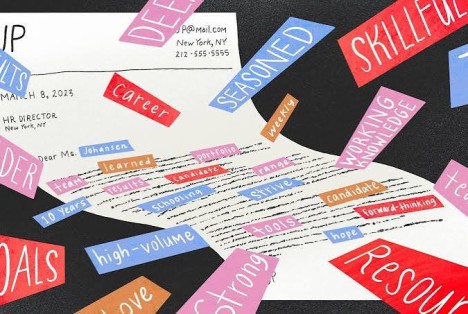
AI for Cover Letters: How Artificial Intelligence Is Transforming Job Applications
Artificial Intelligence (AI) is transforming the way job seekers write cover letters by helping them create professional, personalized, and well-structured applications in less time. Rather than replacing personal experience or career achievements, AI serves as a writing assistant that helps candidates communicate their qualifications more clearly and effectively.
From drafting customized cover letters to improving grammar and matching job descriptions, AI has become an increasingly valuable tool for modern job applications.
What Is AI for Cover Letter Writing?

AI for cover letter writing refers to the use of artificial intelligence technologies to assist with drafting, editing, personalizing, and optimizing cover letters for different job opportunities.
AI-powered writing tools analyze job descriptions, identify relevant skills and qualifications, recommend professional language, and generate customized content that helps applicants present themselves more effectively.
How AI Helps with Cover Letter Writing
AI supports job seekers throughout the application process.
1. Cover Letter Drafting
AI can generate professional drafts for:
- Full-time job applications
- Internship applications
- Remote positions
- Career changes
- Graduate roles
- Internal promotions
Applicants should review every draft to ensure it accurately reflects their experience and career goals.
2. Personalization
AI helps tailor cover letters by adapting content based on:
- Job descriptions
- Required skills
- Company information
- Industry terminology
- Professional experience
Personalized applications are generally more effective than generic templates.
3. Writing Improvement
AI helps improve:
- Grammar
- Spelling
- Sentence structure
- Professional tone
- Readability
- Clarity
These improvements create more polished and professional cover letters.
4. Skill Highlighting
AI can recommend emphasizing relevant:
- Technical skills
- Leadership experience
- Certifications
- Project achievements
- Industry knowledge
Applicants should include only skills and accomplishments they genuinely possess.
5. Company-Specific Customization
AI can help adjust content to align with:
- Company values
- Job responsibilities
- Organizational culture
- Industry expectations
Candidates should verify all company-specific information before submitting an application.
6. Cover Letter Structure
AI assists in organizing:
- Opening paragraphs
- Professional introductions
- Experience summaries
- Achievement highlights
- Closing statements
A clear structure improves readability and professionalism.
7. Language Translation
AI can translate cover letters into multiple languages while preserving the intended meaning as closely as possible.
Important international job applications should be reviewed by a fluent speaker or professional translator.
8. Administrative Automation
AI automates routine job search tasks such as:
- Cover letter templates
- Follow-up email drafting
- Job application tracking
- Interview scheduling reminders
- Career documentation
- Workflow organization
This helps candidates manage multiple job applications more efficiently.
Benefits of AI for Cover Letter Writing
AI offers several important advantages.
Saves Time
AI significantly reduces the time needed to draft and edit cover letters.
Improves Writing Quality
Grammar, clarity, formatting, and professional tone are enhanced.
Supports Personalization
AI helps tailor applications for individual employers and job roles.
Increases Productivity
Automation simplifies repetitive aspects of the job application process.
Builds Confidence
AI provides structure and suggestions that help applicants communicate more effectively.
Challenges of AI for Cover Letter Writing
Despite its benefits, AI also presents important challenges.
Authenticity
Cover letters should reflect the applicant's genuine experiences, personality, and career goals.
Accuracy
AI-generated content should be carefully reviewed for factual correctness and relevance.
Generic Language
Overreliance on AI can produce applications that sound similar to others.
Human Judgment
Applicants remain responsible for ensuring their cover letters accurately represent their qualifications.
Best Practices for Using AI for Cover Letter Writing
Job seekers should follow these recommendations.
Use AI as a Writing Assistant
Allow AI to help organize and improve content while maintaining your personal voice.
Customize Every Application
Adapt each cover letter for the specific company and position.
Verify All Information
Check company names, job titles, achievements, and career details before submitting.
Highlight Genuine Achievements
Use real accomplishments and measurable results whenever possible.
Continue Developing Communication Skills
Strengthen professional writing, interviewing, networking, and career development alongside AI-assisted job searching.
Common Applications of AI for Cover Letter Writing
AI is increasingly used for:
- Cover letter drafting
- Job application writing
- Personalization
- Grammar checking
- Professional editing
- Company-specific customization
- Language translation
- Follow-up emails
- Career documentation
- Interview preparation
- Job search organization
- Workflow automation
Future of AI for Cover Letter Writing
Artificial Intelligence is expected to become even more advanced through personalized career coaching, intelligent job matching, automated employer research, multilingual writing support, real-time application optimization, and AI-powered interview preparation. As AI technologies continue to evolve, job seekers will increasingly use intelligent writing assistants to create stronger applications while relying on authentic experience, professional integrity, and continuous skill development to achieve career success.
Conclusion
Artificial Intelligence is transforming cover letter writing by helping job seekers create professional, personalized, and well-structured applications more efficiently. Rather than replacing individual experience and career achievements, AI serves as a valuable writing assistant that enhances communication and productivity. When combined with authenticity, careful review, and strong professional skills, AI enables candidates to submit higher-quality applications and present themselves more effectively to employers.