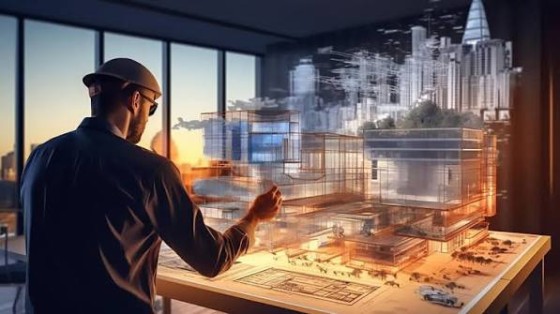
AI for Architects: How Artificial Intelligence Is Transforming Architecture and Building Design
Artificial Intelligence (AI) is reshaping architecture by helping architects create innovative designs, analyze building performance, optimize layouts, and automate repetitive tasks. Rather than replacing architects, AI serves as a powerful design assistant that enhances creativity, accelerates project development, and supports data-driven decision-making.
From conceptual design and Building Information Modeling (BIM) to sustainability analysis and 3D visualization, AI is becoming an increasingly valuable tool in architectural practice.
What Is AI in Architecture?

AI in architecture refers to the use of artificial intelligence technologies to assist with building design, space planning, structural analysis, visualization, sustainability, project management, and construction planning.
AI-powered architectural tools analyze large amounts of design, engineering, and environmental data to generate insights and automate portions of the design workflow.
How AI Helps Architects
AI supports architects throughout the design and construction process.
1. Concept Design Generation
AI can generate multiple building concepts based on project requirements such as:
- Site dimensions
- Building purpose
- Space requirements
- Design preferences
- Environmental conditions
These concepts provide architects with ideas that they can evaluate and refine.
2. Space Planning
AI helps optimize building layouts by considering:
- Room placement
- Traffic flow
- Accessibility
- Natural lighting
- Space utilization
This supports more efficient and functional building designs.
3. Building Information Modeling (BIM)
AI enhances BIM workflows by helping:
- Detect design conflicts
- Organize project data
- Automate documentation
- Improve collaboration
- Monitor project changes
These capabilities improve coordination between architects, engineers, and contractors.
4. 3D Visualization
AI can assist in creating:
- Architectural renderings
- Interior visualizations
- Exterior perspectives
- Virtual walkthroughs
- Concept illustrations
These visuals help clients better understand proposed designs.
5. Sustainability Analysis
AI can analyze factors such as:
- Energy efficiency
- Solar exposure
- Ventilation
- Building orientation
- Material performance
These insights support environmentally responsible building design.
6. Cost Estimation Support
AI can assist by analyzing project information to estimate material quantities, construction costs, and budget trends.
Final cost estimates should always be reviewed by qualified professionals.
7. Construction Planning
AI can help organize:
- Project schedules
- Construction phases
- Resource planning
- Site logistics
- Progress tracking
These tools improve collaboration between design and construction teams.
8. Administrative Automation
AI can automate routine tasks such as:
- Drafting reports
- Organizing drawings
- Managing documentation
- Summarizing meetings
- Scheduling appointments
- Tracking project updates
This allows architects to spend more time on design and client collaboration.
Benefits of AI for Architects
AI provides several significant advantages.
Faster Design Development
AI accelerates concept generation and repetitive design tasks.
Better Design Optimization
AI evaluates multiple design alternatives quickly, helping architects explore more possibilities.
Improved Sustainability
Environmental analysis supports energy-efficient and sustainable buildings.
Enhanced Client Communication
High-quality visualizations improve project presentations and decision-making.
Increased Productivity
Automation reduces administrative work and streamlines project workflows.
Challenges of AI in Architecture
Despite its benefits, AI also presents important challenges.
Creative Judgment
AI can generate design ideas, but architectural creativity, cultural context, aesthetics, and client relationships remain human strengths.
Data Quality
AI recommendations depend on accurate project data, environmental information, and design constraints.
Regulatory Compliance
Architects must ensure that designs comply with building codes, safety standards, zoning regulations, and professional requirements.
Human Oversight
AI-generated concepts and analyses require review and approval by qualified architects and engineers.
Best Practices for Architects Using AI
Architects should follow these recommendations.
Use AI as a Design Assistant
Allow AI to support ideation and analysis while maintaining creative leadership.
Review AI-Generated Designs
Validate layouts, structural considerations, and environmental analyses before implementation.
Protect Project Information
Use secure AI platforms and safeguard confidential client and project data.
Stay Updated
Keep current with advancements in AI, BIM, sustainable design, and construction technology.
Maintain Human-Centered Design
Balance AI-driven efficiency with user needs, accessibility, aesthetics, and cultural considerations.
Common Applications of AI in Architecture
AI is increasingly used for:
- Concept design
- Space planning
- Building Information Modeling (BIM)
- 3D visualization
- Sustainability analysis
- Energy modeling
- Cost estimation support
- Construction planning
- Project management
- Smart building design
- Urban planning
- Facility management
Future of AI in Architecture
Artificial Intelligence is expected to become even more integrated into architecture through generative design, digital twins, autonomous BIM workflows, smart city planning, robotic construction, climate-responsive architecture, and AI-assisted building management. Future architectural practices are likely to combine AI with advanced simulation, IoT, and sustainable construction technologies to create safer, more efficient, and environmentally responsible buildings while preserving the architect's essential role in creativity, ethics, and design leadership.
Conclusion
Artificial Intelligence is transforming architecture by helping architects generate concepts, optimize building layouts, improve sustainability, automate documentation, and enhance collaboration. Rather than replacing architects, AI serves as a valuable assistant that supports creativity, efficiency, and informed decision-making. When combined with professional expertise, engineering knowledge, and human-centered design principles, AI enables architects to deliver smarter, more innovative, and sustainable built environments.