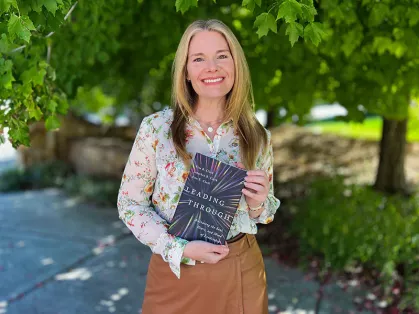
Erin Clark, author and managing director with Deloitte Consulting, believes that leadership rooted in power and control no longer serves today’s workforce. In fact, she argues it actively suppresses human potential. According to Clark, we are living through a pivotal moment in organizational culture—one that demands a fundamental shift in how we understand and practice leadership.
For decades, the dominant leadership model emphasized hierarchy, authority, and control. Leaders were expected to issue commands, monitor performance, and enforce compliance. This legacy paradigm worked in highly structured, industrial-age settings, but Clark believes it is now dangerously outdated in today’s fast-paced, knowledge-driven economy.
She points out that this control-centric model stifles creativity, initiative, and emotional engagement—all qualities that are essential for innovation and long-term success. When people feel they are being managed through fear or rigid oversight, they become passive, disengaged, and less likely to take meaningful risks. Over time, this erodes both morale and performance.
Clark calls for a transformation toward people-first leadership. In her view, the best leaders today are those who prioritize empowerment over control. They create environments where individuals feel trusted, valued, and capable of making decisions. This not only unleashes individual talent but also builds more resilient and adaptive organizations.
She emphasizes that this shift doesn’t mean abandoning structure or accountability. Rather, it involves redefining the leader’s role—not as a controller, but as an enabler. Leaders should focus on removing obstacles, facilitating collaboration, and supporting personal growth. These actions send a powerful message: people are not just resources to be managed but contributors to be elevated.
Clark also notes that many organizations resist this transition because it challenges long-standing beliefs about authority and success. But those willing to reimagine leadership from the ground up will be better equipped to navigate change, attract top talent, and foster deeper loyalty.
In her work at Deloitte, Clark has helped many organizations implement these new models through training, structural redesign, and culture-building initiatives. The results, she says, speak for themselves—greater innovation, higher engagement, and improved performance.
Ultimately, Erin Clark’s message is clear: leadership based on power and control is a relic of the past. To fully realize human potential, we must adopt a leadership model that celebrates trust, autonomy, and purpose.