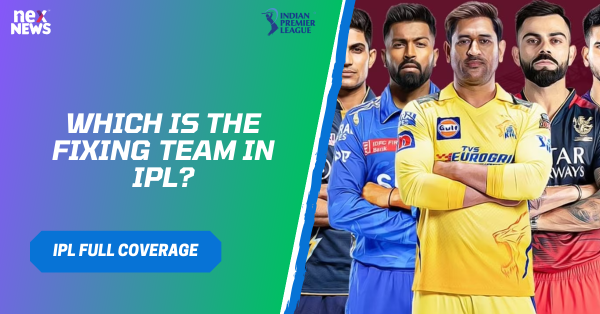
The History of Match-Fixing Allegations in the IPL
One of the most controversial aspects of the Indian Premier League (IPL) has been the persistent allegations of match-fixing that have plagued the tournament since its inception in 2008. From the early days of the IPL, suspicions were raised regarding the integrity of certain matches, with reports of suspicious betting patterns and potential manipulation of outcomes. These allegations have cast a dark shadow over the credibility of the IPL and have sparked widespread outrage among fans and cricket authorities alike.
Over the years, numerous incidents have emerged, with players and officials being accused of involvement in match-fixing scandals. High-profile cases, such as the infamous 2013 spot-fixing scandal involving prominent players from the Rajasthan Royals, shocked the cricketing world and further eroded faith in the integrity of the IPL. The frequency and severity of these allegations have prompted calls for stricter regulations and harsher penalties to curb the menace of match-fixing in the IPL.
Notorious IPL Teams Under the Scanner for Fixing
The Indian Premier League (IPL) has had its fair share of controversies over the years, particularly when it comes to match-fixing allegations. Several teams have found themselves under the scanner for their involvement in these notorious activities. One such team that faced scrutiny was the Chennai Super Kings (CSK). In 2013, their team principal and a prominent member of the Board of Control for Cricket in India (BCCI) were found guilty of betting on matches, leading to a two-year ban for the franchise.
Another team that has had its reputation tarnished by match-fixing allegations is the Rajasthan Royals (RR). In 2013, three of their players were arrested for their involvement in spot-fixing. This led to the team's co-owner being banned from all cricket-related activities for life. The incident not only rocked the foundations of the team but also generated widespread concern about the extent of match-fixing in the tournament.
These instances of notorious IPL teams being under the scanner for fixing have raised serious questions about the integrity of the league. It has become imperative for the IPL governing body to implement stricter measures to prevent such malpractices and preserve the competitiveness and fairness of the tournament. Only time will tell if these steps will be adequate to restore faith in the league and ensure that the focus remains on the game rather than the shady dealings happening behind the scenes.
Controversial Players and Their Involvement in Match-Fixing Scandals
One of the most alarming aspects of match-fixing scandals in the IPL is the involvement of certain controversial players. These players, who once enjoyed immense popularity and were seen as the heroes of the game, have now been tainted by allegations of match-fixing. Their involvement not only shocked fans but also raised serious questions about the integrity of the sport.
While it is disheartening to witness such betrayal, it is important to acknowledge that not all players have succumbed to the allure of illegal activities. The actions of a few should not overshadow the dedication and commitment exhibited by the majority of players who strive to uphold the spirit of fair play. However, the involvement of even a handful of players has cast a shadow on the entire league and has called into question the trust and faith that fans place in their favorite teams and players.
Role of Bookmakers and Their Influence on IPL Matches
Bookmakers play a significant role in the world of sports betting and have a profound influence on IPL matches. These individuals or organizations act as intermediaries between bettors and facilitate the process of placing bets on various outcomes of the game. With the increasing popularity and money involved in the Indian Premier League, bookmakers have found ample opportunities to exploit the system for their own gains.
Their influence on IPL matches lies in the power they hold to manipulate outcomes, tempting players and officials to engage in corrupt practices. Bookmakers entice individuals involved in the game with large sums of money in exchange for fixing certain aspects of a match, such as the number of runs scored in an over or the dismissal of a specific player. Their illicit activities not only taint the integrity of the game but also disrupt the level playing field that the IPL strives to maintain. It is crucial for the governing body of the league to address this issue and implement stringent measures to combat the influence of bookmakers in IPL matches.
IPL Governing Body's Efforts to Tackle Match-Fixing
The IPL Governing Body has been deeply committed to tackling the issue of match-fixing within the league. One of the key steps taken by the governing body is the implementation of a robust and comprehensive anti-corruption code. This code lays down strict guidelines and regulations for players, team officials, and other individuals associated with the league, outlining the consequences of involvement in any form of corrupt activities.
Another significant effort made by the IPL Governing Body is the establishment of an Anti-Corruption Unit (ACU). The ACU comprises experienced professionals who are entrusted with the responsibility of investigating any potential match-fixing incidents and gathering evidence against those involved. This unit operates independently and ensures that the principles of fairness and integrity are upheld throughout the league. Additionally, the IPL Governing Body works closely with law enforcement agencies to uncover any connections between cricket and illegal betting syndicates, aiming to eliminate the menace of match-fixing from the game.
How Spot-Fixing Differs from Match-Fixing in IPL
Spot-fixing and match-fixing are two distinct forms of corruption that plague the Indian Premier League (IPL). While both involve manipulation of the game, they differ in their scope and impact. Spot-fixing is the act of rigging certain moments or specific aspects of a match, such as the timing of a no-ball or the number of runs scored in an over. On the other hand, match-fixing encompasses a broader scheme, where the entire outcome of a match is pre-determined for financial gain.
Spot-fixing operates on a more localized level, with players, coaches, or other insiders conspiring to execute specific predetermined actions during a match. These actions may seem minor, but they can have a significant impact on the outcome of the game. In contrast, match-fixing involves a larger network of individuals, including players, officials, and bookmakers, working together to manipulate the result of an entire match. This often requires more planning and coordination, as different elements of the game need to be controlled to achieve the desired outcome.
Notable Cases of Players and Officials Being Banned for Match-Fixing
In the realm of the Indian Premier League (IPL), several notable cases have emerged over the years, tarnishing the reputation of players and officials involved in match-fixing. One such high-profile case involved the Rajasthan Royals, one of the most successful teams in the tournament's history. In 2013, when the IPL was embroiled in controversy, three players of the Rajasthan Royals - Sreesanth, Ankeet Chavan, and Ajit Chandila - were arrested for their alleged involvement in spot-fixing. The scandal caused shockwaves throughout the cricketing world and prompted swift action from the governing body, resulting in a ban on the players involved.
Another significant case that shook the foundations of fair play in the IPL was the 2013 arrest of Gurunath Meiyappan, the team principal of Chennai Super Kings. Meiyappan, who also happened to be the son-in-law of the then BCCI president, N. Srinivasan, was found guilty of betting on IPL matches, including those involving his own team. The revelations not only raised questions about Meiyappan's integrity but also brought the franchise under scrutiny. As a consequence, Chennai Super Kings faced a two-year ban from the IPL, further highlighting the severity of the repercussions for involvement in match-fixing activities within the league.
Technologies and Measures Implemented to Prevent Match-Fixing in IPL
The Indian Premier League (IPL) has taken significant steps to combat match-fixing and maintain the integrity of the game. One such measure is the use of advanced technology to monitor and detect any suspicious activities. The IPL has implemented a sophisticated surveillance system that includes video analytics and data analysis to identify any irregular patterns or unusual betting activities. This system helps in the early detection of potential match-fixing incidents, allowing the authorities to take prompt action.
In addition to the technological advancements, the IPL has also implemented strict regulations and guidelines for players, team owners, and officials. The league has a comprehensive anti-corruption code in place that all participants must adhere to. This code includes provisions for mandatory reporting of any suspicious approaches or incidents, as well as regular education and awareness programs. By establishing a robust framework of rules and regulations, the IPL aims to create a culture of integrity and transparency within the league.
The Impact of Match-Fixing Scandals on the Credibility of IPL
Match-fixing scandals have had a significant impact on the credibility of the Indian Premier League (IPL). These scandals have not only tarnished the reputation of the teams involved but have also raised doubts among fans about the integrity of the entire league. The trust that fans put in the players, officials, and the governing body of the IPL has been severely undermined. Such scandals have created a sense of betrayal among the fans, who feel cheated by the very system they believed in.
The repercussions of match-fixing scandals go beyond just the disillusionment of fans. The credibility of the IPL as a professional sporting league has been called into question, both domestically and internationally. Sponsors and advertisers, who invest massive sums of money in the league, are likely to think twice before associating themselves with a tainted brand. The loss of financial support, coupled with the loss of faith from the fans, presents a significant challenge for the IPL in maintaining its position as the premier T20 league in the world.
Steps Taken to Restore Fans' Trust and Maintain Fairness in IPL Matches
To restore fans' trust and maintain fairness in IPL matches, several steps have been taken by the governing body. One of the key measures implemented is conducting thorough investigations into any match-fixing allegations and taking strict actions against those found guilty. The IPL has formed a dedicated anti-corruption unit, consisting of former law enforcement officials and intelligence officers who work closely with the players, officials, and other stakeholders to prevent any misconduct. Regular education programs are also organized to create awareness about the consequences of engaging in match-fixing activities and to emphasize the importance of maintaining the integrity of the game.
Additionally, the IPL has strengthened its partnership with law enforcement agencies to combat match-fixing effectively. Sharing intelligence and information with these agencies has helped in identifying and apprehending individuals involved in these illegal activities. The IPL has also made it mandatory for all players and officials to report any suspicious approaches or incidents related to match-fixing to the anti-corruption unit. By promoting a culture of transparency and accountability, the IPL aims to foster a level playing field where every match is played with utmost fairness and sportsmanship.