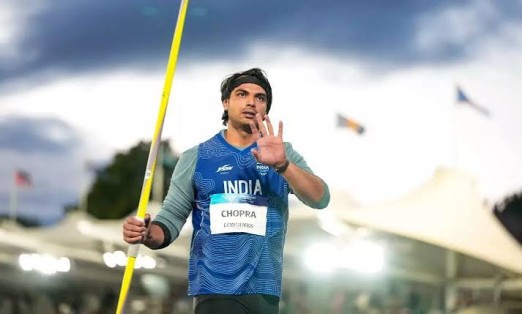
Neeraj Chopra Becomes Co-Owner of UBS Athletics Kids Cup to Expand Grassroots Athletics Initiative
Indian athletics star Neeraj Chopra has expanded his involvement with the UBS Athletics Kids Cup by becoming a co-owner of the school-based grassroots sports initiative, moving beyond the ambassadorial role he held during its previous two seasons.
The initiative has already engaged more than 250,000 children across over 2,500 schools in five Indian cities and is now targeting a much larger milestone: reaching one million children across the country.
Chopra's move into co-ownership signals a deeper, longer-term commitment to creating opportunities for children to experience athletics and potentially building a stronger pipeline of participation in Indian sport.
From Ambassador to Co-Owner

Chopra served as an ambassador for the UBS Athletics Kids Cup during its previous two seasons before expanding his association with the programme.
His new co-ownership role reflects a shift from primarily representing the initiative to taking a more substantial stake in its long-term development.
The programme is entering its third season in India with plans to substantially increase its reach.
One Million Children Become the Next Target
The UBS Athletics Kids Cup has set an ambition of inspiring one million children to become active through sport.
That represents a significant expansion from the more than 250,000 children already reached.
Scaling toward one million participants could create a much larger grassroots athletics ecosystem involving:
-
Schools
-
Teachers
-
Parents
-
Coaches
-
Local organisers
-
Young athletes
-
Sports communities
The initiative is designed around broad participation rather than focusing exclusively on identifying elite athletes.
Programme Has Reached More Than 2,500 Schools
The scale already achieved provides a foundation for further expansion.
Over its first two seasons, the programme reached more than 250,000 children through more than 2,500 schools across five cities.
The five cities involved in the 2026 season are Ahmedabad, Chennai, Hyderabad, Mumbai and Pune.
School-based delivery allows the programme to introduce athletics directly to children rather than requiring families to independently seek specialised sports academies.
Children Compete Across Three Athletics Disciplines
The UBS Athletics Kids Cup uses a simple three-event format designed around fundamental athletic movements.
Participants compete in:
-
60-metre sprint
-
Long jump
-
Ball throw
Children between seven and 15 years old can participate, with rankings organised across age categories for girls and boys.
The format introduces young participants to running, jumping and throwing—the foundational movements behind many sports.
School-Based Model Lowers Participation Barriers
One of the initiative's important characteristics is its integration with schools.
Participating schools receive a toolkit containing equipment needed to organise competitions, including measuring equipment, timing tools and throwing balls.
This model can make participation easier because children can encounter athletics within their existing educational environment.
Schools also provide infrastructure through which programmes can potentially reach large numbers of children relatively efficiently.
Girls Represent a Significant Share of Participation
The programme has also reported strong participation among girls.
More than 46% of participants have been girls, according to information released around Chopra's expanded role.
Broad participation is particularly important for grassroots sport because access at an early age can influence whether children continue participating in physical activity as they grow older.
Grassroots Development Remains Critical for Indian Athletics
India's international sporting ambitions ultimately depend on a much larger base of children participating in sport.
Elite athletes generally emerge from systems that provide young people with opportunities to:
-
Try different disciplines
-
Compete regularly
-
Receive coaching
-
Develop physical literacy
-
Gain confidence
-
Progress through higher competition levels
Large school-based initiatives can contribute to this foundation by introducing children to structured athletics at an early age.
Neeraj Chopra Brings Powerful Athlete Recognition
Chopra's involvement gives the programme one of India's most recognisable sporting figures.
His achievements have significantly increased public awareness of athletics, particularly javelin throwing, in a country where cricket traditionally dominates sporting attention.
That visibility can be valuable for grassroots initiatives because children often become interested in sports after seeing successful athletes perform on major international stages.
Athlete Ownership Could Deepen Long-Term Engagement
Athlete endorsements are common in sports marketing, but ownership represents a different level of involvement.
A co-owner can potentially participate more deeply in areas such as:
-
Long-term strategy
-
Programme expansion
-
Partnerships
-
Public engagement
-
Athlete development
-
Brand building
Chopra's transition from ambassador to co-owner therefore makes his association with the initiative more structurally significant.
The Programme Is About More Than Finding Champions
The UBS Athletics Kids Cup positions participation itself as an important objective.
The programme aims to encourage physical activity while supporting qualities such as confidence, discipline, integrity and mutual respect.
That distinction matters because a sustainable grassroots sports system cannot be built exclusively around children with immediate elite potential.
Widespread participation creates both social benefits and a larger pool from which talented athletes may eventually emerge.
Regional Finals Create Competitive Progression
The programme also provides a pathway beyond individual school competitions.
Competitions are scheduled across the five participating cities during the qualification period, with leading performers progressing to regional finals.
The best athletes can subsequently reach Grand City Finals.
This creates a structured progression:
School Competition → Regional Final → Grand City Final
Such progression gives children an opportunity to experience increasingly competitive environments.
Third Season Expands the Programme’s Footprint
The third season represents an important stage in the initiative's development.
Competitions during the 2026 qualification period are being held across Ahmedabad, Chennai, Mumbai, Pune and Hyderabad, with regional finals scheduled later in the year and Grand City Finals planned for January 2027.
Moving from early-stage participation toward a larger multi-city system will test how effectively the programme can scale.
Schools Could Become Central to India’s Athletics Pipeline
India has an enormous school-age population, making educational institutions one of the most logical places to expand grassroots sport.
A successful school athletics ecosystem can introduce children to structured competition before they enter specialised training programmes.
Schools can provide:
-
Early exposure
-
Regular participation
-
Basic competition
-
Talent identification
-
Teacher involvement
-
Community support
Programmes that work through schools therefore have potential reach far beyond traditional sports academies.
Grassroots Programmes Can Strengthen Talent Discovery
India has produced exceptional athletes, but talent can emerge from communities without immediate access to professional sporting infrastructure.
Large participation programmes can increase the probability that promising young athletes are noticed.
Basic events such as sprinting, jumping and throwing can provide early indicators of athletic ability without requiring expensive specialised equipment.
The challenge is ensuring that talented participants subsequently have access to coaching and higher-level competition.
Private Sector Participation Adds Scale
Grassroots sports development increasingly involves collaboration between athletes, companies, schools and specialist organisations.
Private-sector involvement can provide:
-
Funding
-
Equipment
-
Event management
-
Technology
-
Marketing
-
Volunteer networks
-
Organisational expertise
The UBS Athletics Kids Cup is supported by UBS, illustrating how corporate involvement can support large-scale youth participation initiatives.
Athletics Provides Foundation for Multiple Sports
Running, jumping and throwing are not only athletics disciplines.
They are fundamental movement skills used across numerous sports.
Children who develop speed, coordination, balance and throwing ability can potentially transfer those capabilities into:
-
Football
-
Cricket
-
Hockey
-
Basketball
-
Volleyball
-
Racquet sports
-
Other athletics disciplines
This gives introductory athletics programmes relevance beyond producing track-and-field competitors.
Physical Activity Is Also a Broader Social Objective
The programme's ambition extends beyond competitive sport.
Encouraging children to become physically active can help build lifelong habits around movement and exercise.
This makes grassroots sport relevant to both India's sporting ambitions and broader youth development.
Creating positive early experiences can be particularly important in determining whether children continue participating in physical activity.
Neeraj Chopra Can Inspire the Next Generation
Chopra's journey from Indian athletics to international success provides a highly visible example for young participants.
His involvement can help make athletics feel more aspirational and accessible to children who may otherwise have limited exposure to track-and-field disciplines.
The programme does not need every participant to become an elite athlete for that influence to matter.
Even a relatively small percentage continuing into organised sport could significantly expand India's athletics participation base.
What the Sports Industry Should Watch
The next phase of the UBS Athletics Kids Cup will put several indicators in focus:
-
Progress toward one million children
-
Number of participating schools
-
Expansion into additional cities
-
Participation among girls
-
Teacher involvement
-
Regional competition growth
-
Talent progression
-
Athlete partnerships
-
Long-term programme sustainability
The most important measure will be whether participation can translate into sustained involvement in athletics and other sports.
Outlook
Neeraj Chopra's move from ambassador to co-owner gives the UBS Athletics Kids Cup greater athlete-led visibility as it enters an ambitious expansion phase.
The programme already has a meaningful base, having reached more than 250,000 children across over 2,500 schools, while its next objective of one million participants would take it to a substantially different scale.
If the initiative can expand while maintaining accessible school-level participation and structured competitive pathways, it could become an important component of India's grassroots athletics ecosystem.
Conclusion
Neeraj Chopra becoming co-owner of the UBS Athletics Kids Cup marks a deeper commitment by one of India's most successful athletes to grassroots sports development.
After serving as an ambassador for two seasons, Chopra is now taking a larger role as the programme seeks to grow from more than 250,000 participating children toward an ambition of reaching one million.
The initiative's simple focus on running, jumping and throwing provides an accessible introduction to athletics for schoolchildren, while regional and city-level competitions offer a pathway for promising participants.
For Indian sport, the significance goes beyond identifying future champions. Building a stronger sporting culture starts by giving far more children the opportunity to participate in the first place.