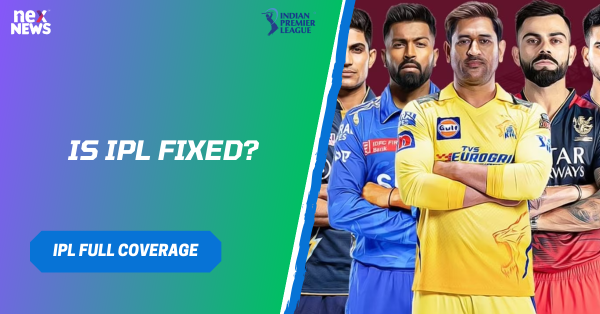
The IPL Controversies: A Closer Look
The IPL, or the Indian Premier League, has been engulfed in numerous controversies since its inception in 2008. From allegations of match-fixing to suspicious betting patterns, the tournament has faced relentless scrutiny over the years. These controversies have not only tarnished the reputation of the league but have also raised serious questions about the integrity of the game itself.
One of the most troubling aspects of the IPL controversies is the role played by bookmakers. These individuals are believed to be the masterminds behind the fixing scandals, using their contacts and vast networks to manipulate the outcomes of matches. Their involvement raises concerns about the influence they hold over players, officials, and even team owners. The question remains: to what extent are they able to manipulate the game and corrupt those involved in it? These bookmakers have become a black mark on the IPL's record, casting a shadow over the entire tournament.
Analyzing Allegations of Match-Fixing in the IPL
Allegations of match-fixing in the Indian Premier League (IPL) have marred the reputation of this highly popular cricket tournament. The IPL, known for its glitz, glamour, and thrilling cricket action, has been plagued by numerous controversies since its inception in 2008. While these allegations have not only tarnished the image of the tournament but also raised concerns about the integrity of the game, it is imperative to thoroughly examine the evidence and investigative efforts before drawing any conclusions.
In recent years, several incidents have sparked suspicion and led to allegations of match-fixing in the IPL. Various factors, such as strange and inconsistent player performances, unusual betting patterns, and suspicious involvement of bookmakers, have raised eyebrows among cricket authorities and fans alike. These allegations have gained significant attention from the media, undermining the credibility of the IPL and creating a sense of disillusionment among cricket enthusiasts. Nonetheless, it is crucial to approach these allegations with caution and assess them based on concrete evidence and unbiased investigations.
Examining Suspicious Betting Patterns in IPL Matches
Examining suspicious betting patterns in IPL matches is imperative in order to safeguard the integrity of the game. Over the years, there have been instances where certain matches and specific events within those matches have raised eyebrows due to extreme fluctuations in betting odds. Such irregularities often indicate the possible involvement of external factors influencing the outcome of the game.
One key aspect that experts have scrutinized is the sudden surge or decline in betting activity for particular events, such as the number of runs scored in an over or even the outcome of a toss. These anomalies raise suspicions, as they suggest that someone may have prior knowledge about the events unfolding on the field, subsequently leading to orchestrated bets. Analyzing these betting patterns, in conjunction with other available information, is instrumental in identifying potential areas of concern and taking appropriate measures to combat any attempts at manipulating the game.
The Role of Bookmakers in IPL Fixing Scandals
In the realm of IPL fixing scandals, bookmakers play a significant role. These individuals are the intermediaries between those looking to manipulate the outcome of matches and those willing to place bets on those matches. Bookmakers are known to approach players, officials, and team owners, offering them monetary incentives in exchange for influencing the game in a specific way. They capitalize on the vulnerabilities of individuals involved in the IPL, exploiting their desire for financial gain or their fear of exposure to navigate their way into the inner workings of the tournament.
The bookmakers operate in a clandestine manner, often using coded language and encrypted communication channels to maintain secrecy. They carefully analyze the teams, players, and betting odds to devise strategies that maximize their profits while minimizing suspicion. Through their networks and connections, bookmakers ensure that they can sway the outcome of a match without arousing too much attention. Their presence in IPL fixing scandals underscores the intricate web of corruption that permeates the tournament, casting a dark shadow over its once unblemished reputation.
Case Studies: Notorious IPL Fixing Incidents
The IPL has had its fair share of notorious fixing incidents that have marred the reputation of the tournament. One such case involved the Chennai Super Kings and Rajasthan Royals in 2013. Players from both teams, including high-profile figures like Sreesanth, Ajit Chandila, and Ankeet Chavan, were found guilty of participating in spot-fixing activities. This scandal sent shockwaves through the cricketing world, as it exposed the dark underbelly of the IPL and raised serious questions about the integrity of the game.
Another infamous incident occurred in 2015 when the former IPL chief, Lalit Modi, alleged that two of the IPL's most successful franchises, Chennai Super Kings and Rajasthan Royals, were involved in corrupt practices. This claim led to the teams being suspended from the tournament for two years. It was a significant blow to the image of the IPL and further heightened concerns about the level of fixing and corruption within the league. These case studies serve as a reminder of the need for robust measures to prevent such incidents in the future and to restore trust and transparency in the IPL.
The Impact of IPL Fixing on the Integrity of the Game
The impact of IPL fixing on the integrity of the game has been immense and far-reaching, raising serious concerns about the credibility of cricket as a whole. The emergence of numerous fixing scandals in the IPL has shattered the trust of fans and cast a dark shadow over the sport. These incidents have not only tarnished the reputation of individual players, officials, and team owners but have also compromised the integrity of the entire league.
The continuous stream of revelations about match-fixing, suspicious betting patterns, and the involvement of bookmakers has eroded the faith that fans once had in the authenticity of cricket matches. The very foundation on which the sport is built, fair play and honest competition, has been shaken to its core. The impact of these fixing scandals goes beyond the IPL alone, as it has negative implications for the overall perception and trustworthiness of cricket as a global sport. Regaining the lost trust and ensuring the integrity of the game should be the utmost priority for all stakeholders involved in cricket administration.
The Role of Players, Officials, and Team Owners in IPL Fixing
The IPL fixing controversies have not only raised questions about the integrity of the players, but also shed light on the involvement of officials and team owners in these illicit activities. While it is important to recognize that these cases do not represent the entire IPL fraternity, they certainly are a stain on the reputation of the league.
In the past, there have been instances where players, officials, and even team owners have faced allegations of being involved in match-fixing or facilitating such activities. These allegations have not only tarnished the image of the individuals involved but have also raised concerns about the role of these key stakeholders in the league. The investigation and legal proceedings that have followed these allegations have highlighted the need for stricter monitoring, enforcement, and accountability within the IPL to prevent such incidents in the future.
Investigative Efforts and Legal Actions against IPL Fixing
Following the numerous allegations of match-fixing in the Indian Premier League (IPL), investigative efforts to uncover the truth have been ongoing. Various entities, including government agencies, private organizations, and the Board of Control for Cricket in India (BCCI), have been actively involved in conducting thorough investigations to get to the bottom of these controversies. These investigations aim to shed light on the extent of the alleged fixing, identify the individuals involved, and determine the impact on the integrity of the game.
Simultaneously, legal actions have been initiated against those found guilty of involvement in IPL fixing scandals. Law enforcement agencies have been closely monitoring the developments and gathering evidence to build strong cases against the culprits. With an emphasis on ensuring fair play and maintaining the trust of fans, the legal actions seek to hold accountable those responsible for tarnishing the reputation of the IPL and cricket as a whole.
It is crucial to note that investigative efforts and legal actions are essential steps in addressing the issue of IPL fixing. However, ultimately, the efficacy of these measures in preventing future fixing incidents and restoring the trust and transparency in the IPL will depend on the stringent implementation of preventive measures by the governing bodies, as well as the cooperation of players, officials, and team owners in upholding the integrity of the game.
Steps Taken by IPL Governing Bodies to Prevent Fixing
IPL governing bodies have implemented several measures to prevent fixing and restore the integrity of the game. Firstly, they have strengthened their anti-corruption unit, employing a team of dedicated professionals who closely monitor all IPL matches to detect any suspicious activities. This unit works in collaboration with law enforcement agencies and intelligence services to gather information and investigate any potential instances of fixing.
Secondly, the IPL governing bodies have implemented strict regulations and guidelines for players, officials, and team owners to abide by. These rules include restrictions on player interactions with outsiders, including bookmakers, and the obligation to immediately report any suspicious approaches. Additionally, players and officials are required to undergo regular education and awareness programs to equip them with the necessary knowledge and understanding to prevent and identify corrupt practices.
Furthermore, the IPL governing bodies have established robust mechanisms for reporting and whistleblowing. They encourage players, officials, and even spectators to come forward with any information or evidence related to fixing incidents. Whistleblowers are assured of protection and confidentiality to ensure their safety and encourage them to speak out against any misconduct.
In addition to these internal measures, the IPL governing bodies work closely with international cricket boards, including the International Cricket Council (ICC), to share information and collaborate on anti-corruption efforts. This global cooperation helps in identifying and combating fixing activities both within the IPL and in other cricket leagues worldwide.
While these preventive measures have significantly strengthened the vigilance against fixing, the IPL governing bodies continue to refine their strategies and adapt to evolving challenges. By prioritizing the safeguarding of the game's integrity and adopting a proactive stance, they aim to restore trust and maintain the transparency that cricket fans deserve.
The Future of IPL: Restoring Trust and Transparency
The future of the Indian Premier League (IPL) heavily relies on restoring trust and transparency within the cricketing community. In order to regain the faith of fans, players, and stakeholders, stringent measures need to be implemented. First and foremost, there should be a comprehensive review of the IPL's governing bodies, ensuring that the highest ethical standards are upheld. This involves identifying any loopholes in the system and rectifying them promptly, leaving no room for corruption or match-fixing incidents to occur.
Additionally, transparency in the team selection process and financial dealings is crucial for rebuilding the IPL's image. By making all transactions and player contracts publicly accessible, it creates an environment of accountability and discourages any illicit activities. Moreover, maintaining a clear line of communication with the fans and providing regular updates on the actions taken against fixing allegations can help rebuild the lost trust.
Restoring trust also requires the cooperation of all stakeholders involved in the IPL, including players, officials, and team owners. Players must be educated about the consequences of involvement in any wrongdoing and be encouraged to speak out against any corrupt practices they may come across. Stringent penalties should be imposed on those found guilty, with no exceptions, to send a strong message that such behavior will not be tolerated.
In conclusion, restoring trust and transparency in the IPL is crucial for its future success. By implementing stringent measures, fostering accountability, and ensuring ethical conduct at all levels, the IPL can regain its position as one of the most respected and beloved cricket leagues in the world. Only through collective efforts and a commitment to fairness can the IPL move forward and create a cricketing environment that fans and players can trust.