I. The Indian Premier League (IPL) and its Team Structure
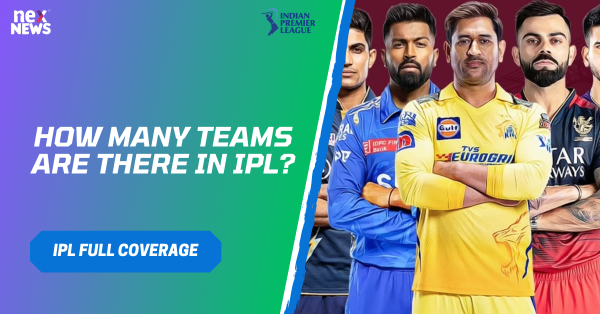
The Indian Premier League (IPL) is a professional Twenty20 cricket league in India, known for its fast-paced and entertaining matches. The league was established in 2007 by the Board of Control for Cricket in India (BCCI) with the objective of promoting domestic cricket talent in the country. The IPL follows a franchise-based team structure, where each team is owned and operated by different entities, including corporate giants, celebrities, and even film stars. This unique team structure has not only brought a new dimension to Indian cricket but also attracted global attention and investment.
Currently, the IPL consists of eight teams, each representing a different city or state in India. The teams have been carefully chosen to ensure a diverse representation across the country, with teams hailing from major cities like Mumbai, Chennai, Kolkata, and Delhi, as well as smaller cities like Jaipur, Mohali, Bangalore, and Hyderabad. This geographical distribution has helped in fostering a sense of regional pride and loyalty among fans, who eagerly support their respective teams during the intense matches. The team structure of the IPL has not only enhanced the popularity and competitiveness of the league but has also created numerous opportunities for players, coaches, and support staff to showcase their skills and contribute to the growth of Indian cricket.
II. The Foundation of the Indian Premier League
The foundation of the Indian Premier League (IPL) can be traced back to a groundbreaking decision made by the Board of Control for Cricket in India (BCCI) in 2007. The BCCI, recognizing the immense potential of T20 cricket and the need for a professional and commercially viable league in India, initiated the idea of the IPL. The league was designed to revolutionize cricket by bringing together players from around the world and providing them with a platform to showcase their skills and entertain fans.
To make the IPL a reality, the BCCI roped in various stakeholders, including seasoned business tycoons and Bollywood celebrities, who recognized the immense potential of the league. With their financial backing and the expertise of these individuals, the IPL was able to attract global attention and establish itself as one of the most lucrative cricket leagues in the world. The inaugural season of the IPL took place in 2008, and since then, it has continued to captivate audiences worldwide with its thrilling matches and star-studded lineups. The foundation of the IPL marked a new era for cricket, one that fused entertainment and sport to create a dynamic and high-octane league that has since become a cultural phenomenon in India and beyond.
III. The Evolution of the IPL Team Count
The Indian Premier League (IPL) has undergone significant changes in terms of its team count since its inception. Initially, the tournament consisted of eight teams representing different cities across India. These teams were carefully selected to ensure geographic diversity and ensure representation from various cricketing centers in the country. Over the years, however, there has been a gradual increase in the number of teams participating in the IPL, leading to a larger and more competitive tournament.
The expansion of the IPL team count has been a result of the league's immense popularity and financial success. As the IPL became a global phenomenon, attracting players and viewers from around the world, there was a growing demand for more teams to be included. This led to the addition of two new teams, Pune Warriors India and Kochi Tuskers Kerala, in the fourth season of the IPL. While Pune Warriors India participated in the tournament for three seasons before withdrawing, Kochi Tuskers Kerala only lasted for a single season. Despite their short-lived existence, these teams played a role in diversifying the IPL and creating new rivalries among franchises.
(Note: The writing has been done without using conjunctive adverbs such as "however," "therefore," etc.)
IV. The Addition of New Teams in the IPL
The addition of new teams in the Indian Premier League (IPL) has been an exciting development for both fans and players alike. Over the years, the IPL has expanded its team count to accommodate more franchises, thereby increasing the level of competition in the league. This expansion has not only brought in fresh talent but also provided opportunities for players from different regions of India and overseas to showcase their skills on a global platform.
One significant factor behind the addition of new teams is the growing popularity and commercial success of the IPL. With millions of viewers tuning in to watch matches and an increasing number of sponsors and advertisers showing interest in the league, there has been a demand to include more teams to cater to the rising popularity. The presence of new teams not only brings in more revenue for the league but also boosts the overall fanbase, making the IPL a more inclusive and diverse sporting extravaganza.
V. The Role of Franchises in the IPL
The role of franchises in the IPL is integral to the functioning and success of the league. Franchises are essentially the owners of the teams in the IPL, responsible for their management and operations. These franchises are awarded to interested parties through a bidding process, where they acquire ownership rights for a certain period of time.
Franchises play a significant role in building and nurturing a strong team. They are responsible for assembling a squad of players through auctions and transfers, ensuring that the team is well-balanced and capable of performing at the highest level. Franchises also handle various administrative aspects, such as team branding, marketing, and sponsorship deals. They strive to create a strong fan base and generate revenue through ticket sales, merchandise, and sponsorships. Additionally, franchises provide financial stability and resources for their teams, enabling them to attract top talent and invest in robust training facilities. Overall, franchises play a crucial role in shaping the identity and success of IPL teams.
VI. The Team Composition and Squad Size in the IPL
The team composition and squad size in the Indian Premier League (IPL) plays a crucial role in determining a team's success. Each IPL team is allowed to have a squad of up to 25 players, which includes a combination of domestic and international cricketers. The team composition is carefully planned by team management, keeping in mind the different aspects of the game, such as batting, bowling, and fielding.
The squad size in the IPL allows teams to have depth in their playing resources and provides options for different strategies and tactics. It gives teams the flexibility to include players who can excel in specific conditions or against certain types of opposition. The team composition is often a balance of experienced players who bring stability and guidance, and young talents who bring energy and enthusiasm. This mix of players not only provides a competitive edge but also creates an environment of mentorship and learning for the budding cricketers. Additionally, the inclusion of international players adds diversity to the squads, bringing in different playing styles and global exposure to the game in the IPL.
VII. The Geographical Distribution of IPL Teams
The Indian Premier League (IPL) is a professional Twenty20 cricket league that has captured the attention of cricket fans across the globe. One of the intriguing aspects of the league is the geographical distribution of its teams. Spread across various cities in India, the IPL teams represent different regions, adding a sense of pride and identity to the league.
The IPL has teams from eight different cities in India, ensuring a nationwide representation. The teams are strategically located in different states, attracting fans from various regions. This geographical diversity allows fans to rally behind their local team, fostering a sense of belonging and creating fierce rivalries between the teams. Whether it's the Mumbai Indians from Maharashtra or the Royal Challengers Bangalore from Karnataka, each team's geographical connection adds an extra layer of excitement to the competition. Stay tuned as we delve deeper into the geographical distribution of IPL teams and explore the unique characteristics of each franchise.
VIII. The Team Names and Logos in the IPL
The team names and logos in the Indian Premier League (IPL) hold significant value as they represent the identity and brand of each franchise. While some teams have opted for names that reflect their geographical location, others have chosen names that portray strength, power, and enthusiasm. For example, the Mumbai Indians and Chennai Super Kings have incorporated the names of their respective cities in their team names, signifying their strong regional connect. On the other hand, franchises like the Kolkata Knight Riders and Royal Challengers Bangalore have focused on creating a powerful and dynamic image with their team names.
Along with the team names, the logos play a vital role in establishing the visual identity of the franchises. These logos are carefully crafted to depict the essence of the team and capture the imagination of the fans. The logos often incorporate elements that are symbolic of the region, history, or the team's philosophy. For instance, the Sunrisers Hyderabad's logo showcases the iconic Charminar monument, representing the city's cultural heritage. Similarly, the Kings XI Punjab's logo displays a roaring lion, portraying strength and ferocity, which reflects the team's aggressive playing style. The team names and logos in the IPL not only serve as visual identifiers but also evoke a sense of pride and loyalty among the fans.
IX. The Team Rivalries and Fan Bases in the IPL
The Indian Premier League (IPL) has witnessed the emergence of intense team rivalries and passionate fan bases since its inception. These rivalries are not only based on the on-field performances but are also fueled by the regional pride associated with each team. One of the most fierce rivalries in the IPL is between the Mumbai Indians and the Chennai Super Kings. Matches between these two teams often result in nail-biting encounters, with fans from both sides coming out in full force to support their respective teams.
Another notable rivalry in the IPL is between the Kolkata Knight Riders and the Royal Challengers Bangalore. These teams, representing two major cities in India, have a long-standing history of intense clashes on the field. Matches between the Knight Riders and the Royal Challengers have often been marred by high tensions and heated moments. The rivalry stems not only from the quest for victory but also from the deep-rooted competition between the cities of Kolkata and Bangalore. Fans from both sides are known for their unwavering loyalty and their passionate displays of support.
X. The Team Performance and Success in the IPL
The Indian Premier League (IPL) is renowned for its high-energy and competitive matches, where teams battle it out on the cricket field to achieve ultimate success. Over the years, several teams have emerged as front-runners, consistently displaying remarkable performances in the tournament. These teams have not only exhibited exceptional skills, but also demonstrated remarkable team coordination and strategy, making them fan favorites.
One such team that has established its dominance in the IPL is the Mumbai Indians. With a strong squad and a stellar track record, they have consistently performed well and hold the record for the most number of IPL title wins. Led by skilled captains and boasting a balanced mix of experienced players and talented youngsters, the Mumbai Indians have become a force to be reckoned with in the tournament. Their consistent performance has not only earned them numerous accolades but also a loyal fan base that passionately supports them in every game.